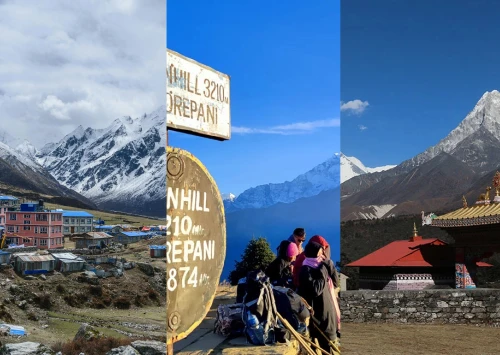
Trekking in Nepal is generally safe, but the mountains always require preparation. Learn about the real risks, current trekking regulations, and practical safety tips every traveler should know before starting a trek in Nepal.
Is Trekking in Nepal Safe in 2026? What You Should Know
Table of Contents
Safety is one of the first things people think about when planning a trek in Nepal. The famous trails lead into high mountains and remote valleys, so it is natural to wonder how safe the journey really is.
Every year, thousands of trekkers complete routes such as Everest Base Camp, Annapurna Base Camp, and Langtang. These trails have been used for decades and are supported by local trekking communities, guides, and mountain lodges along the way.
At the same time, trekking in the Himalayas is still a mountain activity. Altitude, changing weather, and long walking days are real factors that every trekker needs to understand.
In this guide, we explain what trekking safety in Nepal actually looks like in 2026, including the main risks, current regulations, and practical things travelers should know before heading into the mountains.
Is Nepal Safe for Trekking in 2026?
Yes. Most trekkers complete their journeys in Nepal safely each year.
Nepal has been welcoming trekkers for more than fifty years, and the country has developed strong trekking systems over time. In recent years, the government and tourism authorities have also introduced new rules to improve safety on trekking routes.
For example, many trekking regions now require foreign trekkers to travel with a licensed guide through a registered trekking agency. These rules help reduce cases of trekkers getting lost and make it easier to respond if someone needs help.
Even with these systems in place, trekking still happens in remote mountain areas. That’s why preparation and awareness remain important for every trekker.
The Real Safety Challenges Trekkers Should Know
Trekking in Nepal is generally safe, but the mountains always require respect. Most problems on trekking routes don’t happen because the trails are dangerous. They usually happen when people underestimate altitude, weather, or the physical effort required for long days of walking.
Knowing these factors before the trek helps travelers prepare better and avoid common mistakes in the mountains.
Altitude Sickness
Altitude is one of the most important things trekkers need to understand in the Himalayas.
Many trekking routes climb above 3,000 meters, and some go much higher. At these elevations, the air contains less oxygen than what people are used to at lower altitudes.
If someone climbs too quickly, they may feel symptoms such as headache, nausea, dizziness, or unusual tiredness. This is why most trekking itineraries increase altitude gradually and include time for the body to adjust.
Walking slowly, drinking enough water, and giving your body time to adapt are some of the simplest ways to reduce altitude risks.
Sudden Weather Changes
Weather in the Himalayas can change quickly.
A clear morning can turn cloudy later in the day, and temperatures often drop as you gain altitude. Wind, rain, or even snowfall can appear depending on the season and elevation.
Spring (March to May) and autumn (September to November) usually offer the most stable trekking conditions. Even so, trekkers should always carry warm layers and rain protection.
Remote Mountain Terrain
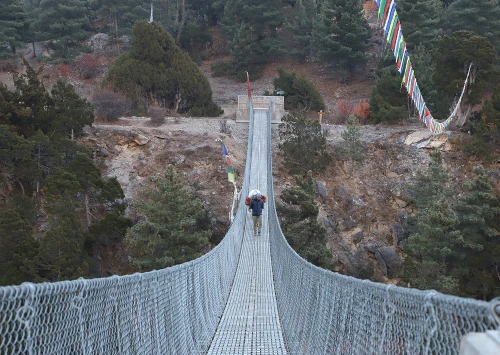
Many trekking routes in Nepal pass through remote valleys where road access and medical facilities are limited.
While villages and tea houses exist along popular trekking routes, hospitals and advanced medical care are usually located in larger towns. Because of this, preparation becomes important when trekking in high mountain areas.
Trekkers should plan realistic itineraries, carry basic medical supplies, and understand that help may take time to reach remote locations.
Trail Accidents and Physical Fatigue
Most trekking injuries occur because of simple trail accidents.
Mountain trails often include stone staircases, uneven paths, loose rocks, and long downhill sections. After several hours of walking, tired legs can increase the chance of slips or twisted ankles.
Using proper trekking shoes, walking poles, and maintaining a steady pace helps reduce these risks.
How Nepal’s Trekking System Improves Safety
Over the years, Nepal has developed several systems that help improve safety on trekking routes. These systems provide support to trekkers traveling through remote mountain regions.
The Tea House Trekking System
Most major trekking routes operate under a tea house system, where trekkers stay in small lodges run by local families.
These lodges provide accommodation, meals, and rest stops along the trail. Because villages and lodges are spaced along trekking routes, trekkers usually encounter other travelers or local residents during the journey.
This network of lodges creates a natural support system along the trails.
Experienced Local Guides
Licensed trekking guides play an important role in helping trekkers navigate mountain trails.
Guides understand the terrain, weather patterns, and safe pacing for different trekking routes. They also help monitor trekkers for early signs of altitude sickness and assist with route decisions when conditions change.
Their experience often helps prevent small problems from turning into serious situations.
Trekker Monitoring Systems (TIMS and FNMIS)
Nepal also uses monitoring systems to track trekking activities in different regions.
The Trekkers’ Information Management System (TIMS) records basic information about trekkers entering popular trekking areas. In addition, systems such as the Foreign National Monitoring Information System (FNMIS) help authorities monitor foreign visitor movement in remote regions.
These systems help improve coordination between trekking agencies and tourism authorities when assistance is required.
Emergency Rescue and Evacuation
In serious emergencies, helicopter evacuation is available in most major trekking regions of Nepal.
Rescue operations are coordinated through trekking agencies, guides, and local authorities. Because many trekking routes are located far from hospitals, helicopter evacuation is often the fastest way to reach medical care.
For this reason, trekkers are strongly advised to carry travel insurance that covers high-altitude trekking and emergency evacuation.
Practical Safety Tips for Trekkers
While trekking in Nepal is generally safe, good preparation plays an important role in reducing risks in the mountains. The following practical steps help trekkers travel more comfortably and avoid common problems during a trek.
Choose the Right Season
Spring (March to May) and autumn (September to November) generally offer the most stable trekking weather in Nepal.
Winter treks are colder at higher elevations, while the monsoon season can bring heavy rain and slippery trails.
Follow a Realistic Trekking Itinerary
Choosing a trekking plan with gradual altitude gain and reasonable daily walking distances helps trekkers adjust to the mountain environment more comfortably.
Trek with a Licensed Guide
Hiring a licensed guide helps trekkers navigate trails, manage daily pace, and respond effectively if unexpected situations occur.
Carry Proper Travel Insurance
Travel insurance should cover high-altitude trekking and emergency helicopter evacuation.
Evacuation costs can be high in remote mountain regions, making insurance an important safety precaution.
Pack Proper Trekking Gear
Essential gear includes good trekking shoes, layered clothing, rain protection, trekking poles, and a basic first aid kit.
Proper equipment helps trekkers stay comfortable and prepared for changing mountain conditions.
Is Solo Trekking Safe in Nepal?
Solo trekking has been part of Nepal’s trekking culture for many years, and many travelers previously explored popular routes independently.
However, trekking alone in high mountain regions carries certain risks. Navigation mistakes, altitude sickness, sudden weather changes, or injuries can become more difficult to manage without support.
Because of these concerns, Nepal introduced new regulations requiring licensed guides in many trekking regions for foreign visitors. These rules help authorities monitor trekking activities and respond more quickly if problems occur.
For most travelers today, trekking with a guide has become the safer and more common way to explore Nepal’s mountain trails.
Final Thoughts: Is Trekking in Nepal Safe?
Trekking in Nepal is generally safe for travelers who prepare properly and respect mountain conditions.
The country’s trekking routes have been used by travelers for decades, and systems such as licensed guides, monitoring programs, and rescue services help support trekking activities across the Himalayas.
At the same time, the mountains always demand preparation and awareness. Trekkers who plan carefully, follow safety guidelines, and respect altitude conditions usually complete their journeys safely and return with one of the most memorable travel experiences in the world.

Cholendra Bahadur Karki (Managing Director)
Call us on WhatsApp+977 9851031957OrChat with us