Poon Hill is one of the most popular short treks in Nepal, but is it still worth it in 2026? Here’s a simple, honest breakdown to help you decide.
Is Poon Hill Worth It in 2026? Honest Review
Table of Contents
If you’re thinking about doing a short trek in Nepal, you have probably heard of Poon Hill. It is one of the most popular routes, especially for beginners or people who don’t have much time.
But now there are many options like Annapurna Base Camp or quieter treks like Mardi Himal. So a common question is: Is Poon Hill still worth it in 2026, or is it too crowded?
The answer really depends on what you’re looking for.
Poon Hill isn’t a remote or high-altitude adventure. It is a short and easy trek with forest trails, local villages, and a famous sunrise view in the Annapurna region. For some people, that makes it a great first trekking experience. For others, it can feel a bit crowded and less adventurous.
In this guide, we will go through what the trek is actually like, what’s good about it, what might disappoint you, and whether it’s the right choice for you.
What Is the Poon Hill Trek Actually Like?
The Poon Hill trek is one of the shortest and most straightforward treks in Nepal. Most people complete it in 4 to 5 days, usually starting from Pokhara.
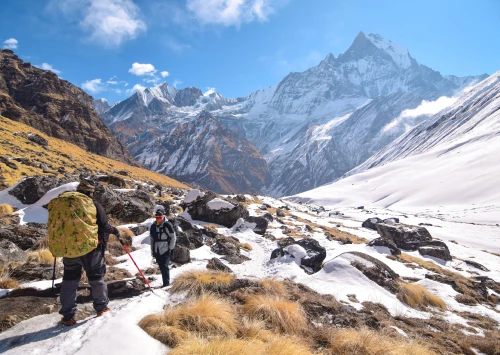
The trail takes you through dense rhododendron forests, small Gurung and Magar villages, and well-built stone staircases. It’s not a wilderness trek, you’re always close to teahouses, and the route is clearly marked, which makes it beginner-friendly.
One thing people often don’t expect is the stairs. A big part of the trek involves climbing up and down stone steps, especially around Ulleri. It’s not technically difficult, but it can feel tiring if you’re not used to it.
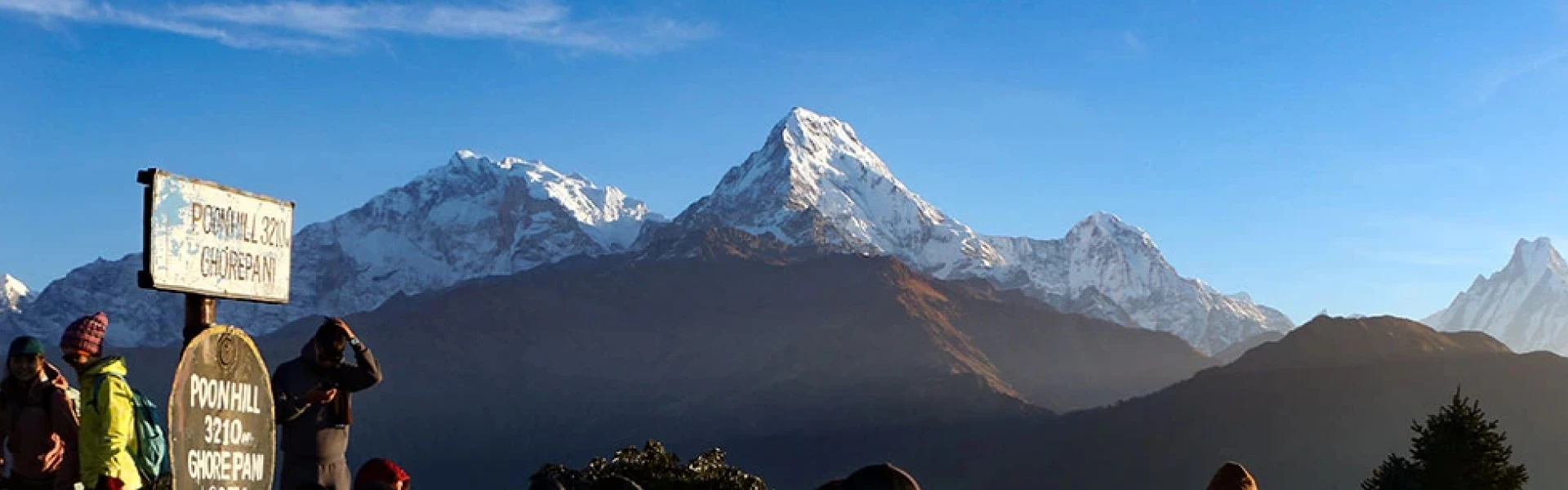
The highlight of the trek is the early morning hike to Poon Hill viewpoint (3,210m). You wake up before sunrise, hike in the dark for about 45 minutes, and reach the top just in time to see the sky light up over the Annapurna and Dhaulagiri ranges.
Overall, the experience is more about steady walking, scenic landscapes, and comfort rather than adventure or remoteness. It’s a great introduction to trekking, but it’s not meant to be extreme.
What Makes Poon Hill Worth It for Most Trekkers
While Poon Hill is often seen as a beginner trek, there are a few reasons why it continues to be popular even in 2026. It may not be the most remote or challenging route, but it still offers a well-rounded experience for many trekkers.
Here are some of the things that make it worth considering:
1. The Sunrise View from Poon Hill
The main highlight of the trek is the sunrise from Poon Hill (3,210m). From the top, you get a wide view of peaks like Annapurna South, Machhapuchhre, and Dhaulagiri. As the sun rises, the mountains slowly change color, which is what makes the early morning hike worth it.
2. Short and Beginner-Friendly
This is one of the easiest treks to get into if you’re new to trekking in Nepal. The route is well marked, teahouses are easily available, and the overall duration is just 4 to 5 days, which makes it manageable for most people.
3. Easy Access from Pokhara
Unlike many Himalayan treks, you don’t need flights or complicated planning. You can reach the starting point by road from Pokhara, which makes the entire trip more convenient and less stressful.
4. Cultural Experience Along the Way
The trail passes through Gurung and Magar villages where you stay in local teahouses. It’s a simple experience, but it gives you a closer look at everyday life in the mountains.
Where It Falls Short (Things People Don’t Always Expect)
Even though Poon Hill is a great short trek, there are a few things that can feel underwhelming if you’re not aware of them beforehand.
1. It Can Feel Crowded
Poon Hill is one of the most popular treks in Nepal, especially during peak seasons like spring and autumn. The trails, teahouses, and especially the sunrise viewpoint can get quite busy. If you’re expecting a quiet, isolated mountain experience, this might not match that expectation.
2. Lots of Stairs
A big part of the trek involves walking on stone staircases, particularly around Ulleri. While it’s not technically difficult, the constant up and down can feel repetitive and more tiring than people expect, especially on the knees.
3. Limited “High Mountain” Feeling
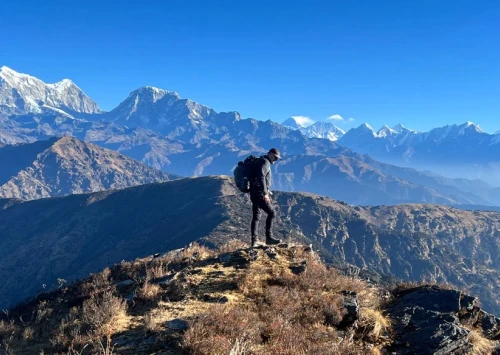
Even though you get great views of the Himalayas, you’re not walking deep into high-altitude terrain like you would on treks such as Annapurna Base Camp or Everest Base Camp. The experience feels more like a scenic hill trek rather than a full Himalayan expedition.
4. Weather Can Affect the Experience
The sunrise view is the main highlight, but it depends heavily on the weather. If the sky is cloudy, you might miss the mountain views entirely, which can feel disappointing after the early morning hike.
Poon Hill in 2026: Still Worth It or Over-Touristed?
Poon Hill has been popular for years, and that hasn’t changed in 2026. If anything, it has become even more accessible. Better roads, improved teahouses, and easier logistics mean more people are choosing this trek, especially those with limited time.
Because of this, the experience has also shifted slightly. The trail feels more developed, and during peak seasons, you’re likely to see a steady flow of trekkers along the route. The sunrise viewpoint, in particular, can get quite busy, with many people gathering at the same time.
At the same time, this accessibility is also what makes Poon Hill appealing. Not everyone is looking for a remote or demanding trek. For many, the idea of a short, comfortable hike with reliable facilities and great mountain views is exactly what they want.
Compared to newer or less crowded routes like Mardi Himal or Langtang Valley, Poon Hill may feel less raw and adventurous. But that doesn’t necessarily make it worse, it just makes it different.
In 2026, Poon Hill is still worth it if you go in with the right expectations. It’s no longer a hidden trail, but it remains one of the easiest ways to experience the Himalayas without committing to a longer or more challenging trek.
Budgeting for the Himalayas: Is Poon Hill Good Value for Money?
Compared to longer treks in Nepal, Poon Hill is generally one of the more affordable options. The shorter duration means you spend fewer days on the trail, which naturally keeps the overall cost lower.
Most of your expenses go into permits, guide services, transport from Pokhara, and daily spending at teahouses. Since the trek is well developed, accommodation and food are easily available throughout the route, and you have the flexibility to manage your daily budget based on your preferences.
In terms of value, it really depends on what you’re expecting. If you’re looking for a short and comfortable trekking experience with good mountain views, Poon Hill offers a solid return for the cost. But if your goal is a deeper Himalayan journey or a more adventurous route, you may find better value in longer treks where the experience feels more exciting.
Overall, Poon Hill works well for those who want to experience the Himalayas without spending too much time or money, as long as expectations are aligned with what the trek actually offers.
Final Thoughts: Should You Hike Poon Hill in 2026?
Poon Hill is still worth it in 2026, but only if it matches what you’re looking for.
If you want a short, scenic trek with easy access, comfortable stays, and rewarding mountain views, it’s a solid choice. It’s one of the simplest ways to experience the Himalayas without needing long days or high-altitude exposure.
But if you’re expecting a quiet, remote, or more adventurous trekking experience, this route may feel a bit limited. In that case, looking at longer or less crowded treks would make more sense.
In the end, Poon Hill is not about pushing limits. It's about keeping things simple while still getting a glimpse of the Himalayas.

Himalayan Joy Adventure (In house Team)
Call us on WhatsApp+977 9851031957OrChat with us