Can you trek in Nepal without a guide in 2026? Understand the latest rules, where it’s allowed, and what to expect on the trail before you decide.
Can You Trek in Nepal Without a Guide in 2026? (New Rules Explained)
Table of Contents
Trekking in Nepal is done in different way, some people go with a guide, while others prefer to walk on their own.
Recently, many trekkers have started to feel unsure about what’s actually allowed.
With new rules and different information online, it is not always clear whether trekking without a guide is still possible.
The answer isn't completely straightforward.
Some areas are more strictly managed, while others still feel more open in practice.
If you are planning a trek in 2026, it helps to understand both the official rules and what you can realistically expect on the trail.
Can You Still Trek in Nepal Without a Guide?
The short answer is, it depends on where you are going.
In recent years, Nepal introduced rules that require trekkers to go through a registered agency and have a licensed guide in many trekking regions. This was mainly done to improve safety and keep better track of trekkers on the trail.
So officially, going completely on your own is no longer allowed in most popular trekking areas.
At the same time, the situation can feel different depending on the route.
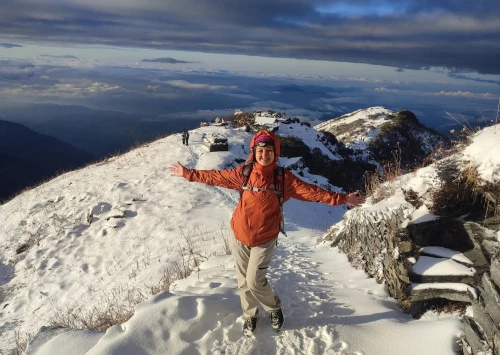
On well-established trails like Poon Hill or parts of the Annapurna region, you may still see people trekking independently, especially if they have the required permits. The trails are clear, and there are regular stops along the way.
In more controlled or remote regions, the rules are followed more strictly, and you will need to be with a guide.
So while the official rule leans toward guided trekking, what you see on the trail can vary depending on the area.
What Changed in the Rules Recently
The change comes from a notice issued by the Nepal Tourism Board, where trekkers are expected to go through a registered trekking agency and be accompanied by a licensed guide in many trekking regions.
Earlier, it was common to plan everything independently. Many trekkers would arrange permits on their own and follow the trail without a guide, especially in areas like Annapurna and Everest.
The rule was introduced mainly for safety. Over time, there were cases where trekkers went missing or needed rescue without proper tracking.
Having a guide and going through an agency helps keep better track of trekkers and makes it easier to respond if something goes wrong.
Which Treks Allow You to Go Without a Guide
On some of the more popular and well-established routes, you may still find trekkers walking independently.
These are usually trails with clear paths, regular tea houses, and a steady flow of people throughout the season. Because of this, they are easier to navigate and manage on your own.
For example, parts of the Annapurna region, including shorter routes like Poon Hill, are still commonly done without a guide.
Similarly, in the Everest region, many trekkers move independently on the main trail to Everest Base Camp, where the route is well-marked and villages are spread along the way.
However, just because people are doing it does not mean the rule does not apply. It simply means the situation may feel more relaxed in these areas.
If you decide to go without a guide, it is important to have your permits in order and be comfortable managing the trek on your own.
Where a Guide Is Mandatory
There are some regions in Nepal where trekking without a guide is not possible.
These are usually restricted or remote areas, where permits are only issued through a registered agency and a licensed guide is required from the start. You won’t be able to enter these regions on your own, as checkpoints are strict and documents are checked properly.
Treks like Upper Mustang, Upper Dolpo, Manaslu Circuit, and Tsum Valley fall into this category.
In these areas, the rules are followed consistently. Even if you plan everything in advance, you won’t be allowed to continue without a guide and proper arrangements.
These routes also involve longer distances between stops and fewer facilities along the way. Having a guide here is not just about meeting the requirement, but also about managing the trek safely.
What Trekking Without a Guide Actually Feels Like
On well-known routes, trekking without a guide can feel simple in the beginning.
You follow the trail, stop at tea houses, and move at your own pace. You decide when to start, where to take breaks, and how far to go each day.
On busy sections, there are other trekkers around, and the path is usually clear enough to follow without much confusion.
But as the days go on, you are handling everything on your own.
You decide where to stay, how to adjust your plan, and what to do if something doesn’t feel right. If the weather changes or you feel unwell, the responsibility is yours.
For some people, this independence is part of the experience. For others, especially on their first trek, it can feel a bit uncertain once small decisions start to add up.
Why Some Trekkers Still Choose to Go With a Guide
Even on routes where trekking without a guide is possible, many people still choose to go with one.
It’s not only about following the rules. It’s also about making the trek smoother and more manageable over several days.
A guide helps you keep a steady pace, choose the right places to stop, and adjust the plan when needed. These are small things, but they make a noticeable difference as the trek progresses.
Over time, we’ve seen that first-time trekkers often feel more relaxed when someone experienced is handling these decisions. It allows you to focus more on walking and enjoying the surroundings instead of thinking about what comes next.
There is also a practical side. Communication in tea houses, understanding the route ahead, and dealing with unexpected situations become easier with a guide.
How to Decide What’s Right for You
The choice mostly comes down to your comfort level and experience.
If it’s your first time trekking in Nepal, handling everything on your own can feel unfamiliar at first. Planning daily stops, adjusting your pace, and making decisions along the way all add up over multiple days. In that case, going with a guide often makes the experience easier to manage.
If you already have trekking experience and feel confident navigating routes, managing your schedule, and handling unexpected situations, trekking independently can work on certain routes.
At Himalayan Joy Adventure, we have worked with trekkers from different backgrounds over the years, and one thing we have seen consistently is that starting with the right level of support makes the first trek much smoother and easier to enjoy.
It also depends on the kind of experience you want. Some people prefer having full control over their day, while others prefer not having to think about logistics and simply focus on the walk.
There’s no single right choice. What matters is choosing the option that feels comfortable for you and suits the kind of trek you want to have.
Final Thoughts
Trekking in Nepal today comes with a bit more structure than before, especially with the newer rules in place. But the experience itself hasn’t changed as much as it might seem.
Going without a guide is still possible on some routes, but it comes with more responsibility, especially if it is your first time.
Going with a guide makes the trek easier to manage, safer over multiple days, and more predictable, which is why many trekkers choose this option even when they have the flexibility to go on their own.
Once you understand both the rules and what to expect on the trail, the decision becomes much simpler.
In the end, it is not about choosing the “right” or “wrong” way. It’s about choosing the option that helps you enjoy the trek with confidence.
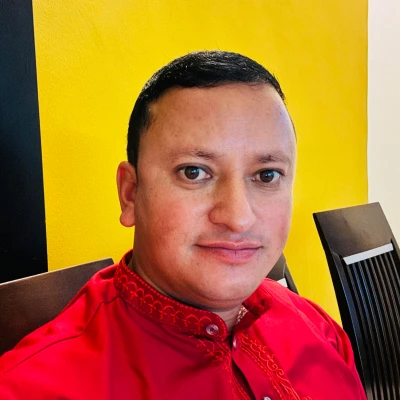
Cholendra Bahadur Karki (Managing Director)
Call us on WhatsApp+977 9851031957OrChat with us