Annapurna Circuit Trek

based on 6 reviewsRecommended by 99% travelers
Annapurna Circuit Trek
At a Glance
  • Duration15 Days
  • Trip Grade Moderate
  • Country Nepal
  • Starts Kathmandu
  • Ends Kathmandu
  • Max. Altitude 5,416 m
  • Activity Trekking
  • Trip Type Tea-house
  • Group Size 1-30
  • Guiding Method English
  • Best Season Spring & Autumn

Annapurna Circuit Trek - Highlights

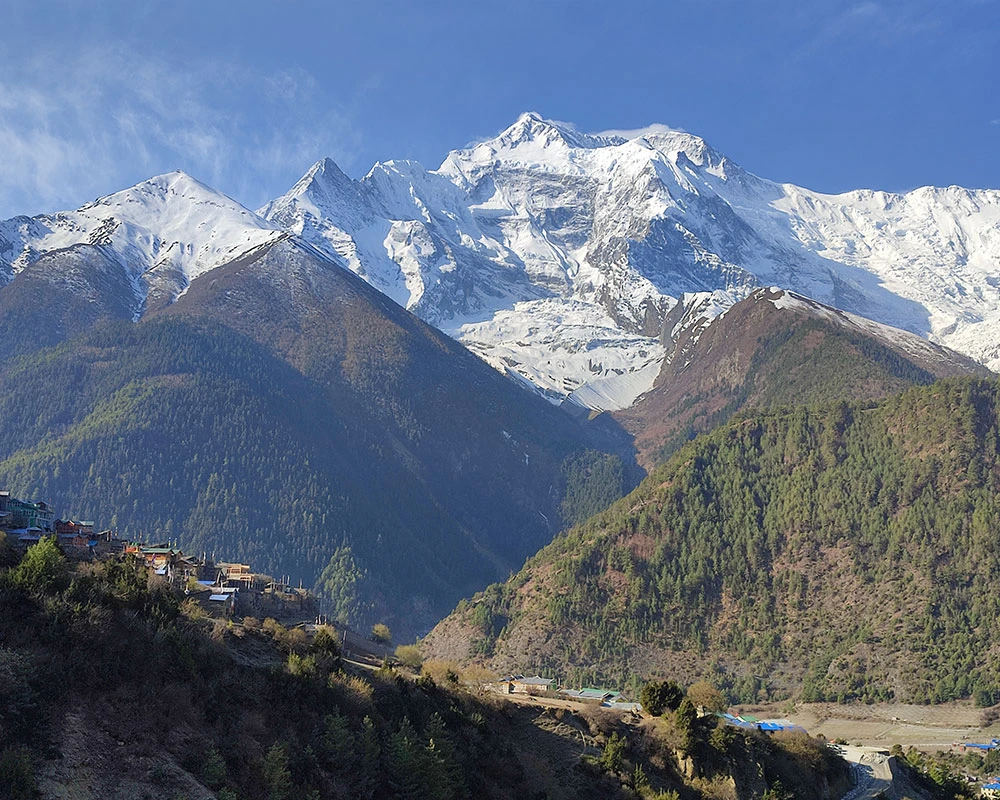
  • See amazing views of the Annapurna peaks, including Machhapuchhre, Nilgiri, and Lamjung Himal in the beautiful Himalayas.
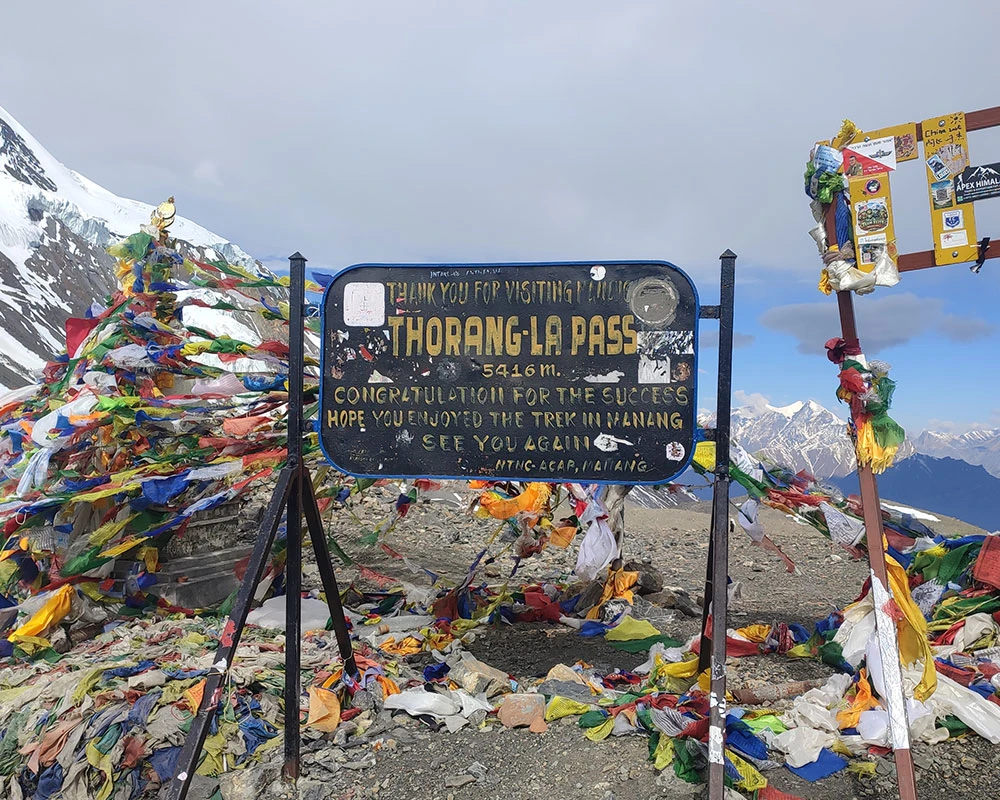
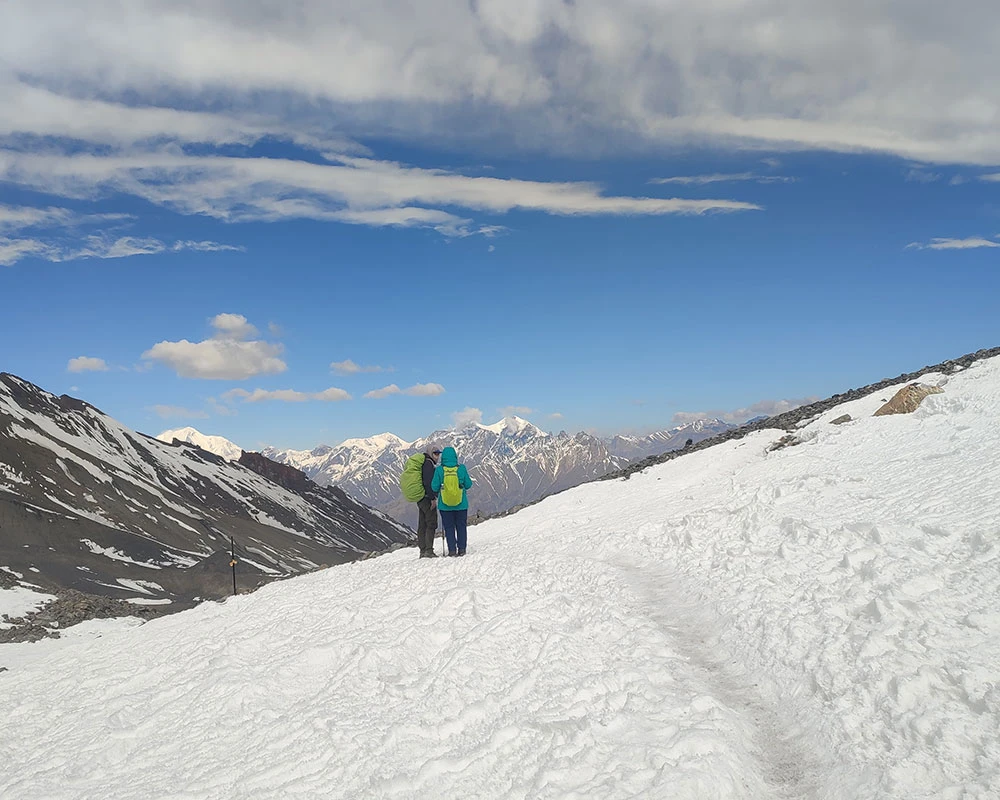
  • Cross the famous Thorong La Pass at 5,416 meters, one of the highest passes in the world, with stunning mountain views.
  • Visit lovely mountain towns like Manang, Braga, Kagbeni, and Jomsom, each with its charm and culture.
  • Explore the sacred Muktinath Temple and many other old temples and monasteries along the way.
  • Relax in Pokhara’s lively evenings with peaceful lakeside views, cozy cafés, and fun nightlife.
  • Stay in simple yet comfortable tea houses, enjoying warm food and friendly Nepali hospitality.
  • Learn about the local culture and way of life by meeting and talking to the people who live in

Annapurna Circuit Trek Overview

Annapurna Circuit Trek is the second most popular trek in the Annapurna Region, right after the Annapurna Base Camp Trek. Every year, more than 50,000 trekkers come to enjoy this adventure. The trek is famous for its incredible views of the Annapurna peaks, Machhapuchhre, Lamjung Kailash, and Nilgiri, as well as its beautiful and varied landscapes. One of the main highlights of this 15 day trek is crossing the Thorong La Pass, the highest point of the journey.

The trails are well-marked and take you past streams, rhododendron forests, and small mountain villages. The stunning mountain views are always in sight, making the trek a treat for the eyes. But the Annapurna Circuit Trek is more than just scenery. It’s a chance to walk through charming villages, stay in cozy tea houses, and meet locals and other trekkers. The warm hospitality of the people you meet along the way adds to the unforgettable experience.

At Himalayan Joy Adventure, we offer a well-organized 15 days Annapurna Circuit Trek that starts in Kathmandu. After spending two nights in Kathmandu, you will travel to Besisahar on the third day. From there, a jeep ride takes you to Jagat for your first overnight stay. The trekking starts on the fourth day, taking four days to reach Manang as you pass through lovely villages like Dharapani, Chame, and Pisang.

You will spend a day in Manang to adjust to the altitude before trekking for two days to the base of Thorong La Pass. The hardest day of the trek is crossing Thorong La Pass, but the reward is worth it as you descend into the stunning Mustang Region. On the twelfth day, you will pass through beautiful Mustang villages before staying the night in Jomsom. The next day, you will take a flight to Pokhara, where you can relax and enjoy the lively atmosphere. On the fourteenth day, you’ll return to Kathmandu. The trek ends with a farewell dinner and an airport transfer on the fifteenth day.


What Makes the Annapurna Circuit Trek Special?

The Annapurna Circuit Trek is considered a special trekking route in the Annapurna region because it combines stunning natural beauty, rich cultural experiences, and spiritual landmarks in a single journey. It offers an unforgettable adventure, and here are eight reasons why it stands out:

1) Different Types of Scenery

The Annapurna Circuit Trek takes you through many beautiful landscapes. Starting in Bhulbhule and Chamje, you will walk through green forests with waterfalls and wildlife. Along the Marsyangdi River, you’ll pass peaceful rice fields and deep valleys.

As you climb higher toward Manang, the views change to open grasslands and dry, desert-like areas. Crossing Thorong La Pass, the highest point of the trek, gives you amazing views of snow-covered mountains. On the way down to Muktinath and Kagbeni, you’ll see Tibetan-style dry lands and interesting rock formations.

The trek ends with the Kali Gandaki Gorge, the world’s deepest gorge, and the green forests of Tatopani, where you can relax in natural hot springs. Each day offers something new and exciting to see, making this trek unforgettable.

2) Stunning Mountain Views

Along the trek, you will see incredible views of some of the world’s tallest mountains. As you walk, the views keep changing, showing you the famous Annapurna peaks and others like Dhaulagiri, Manaslu, and Annapurna I. These big mountains are one of the best parts of the trek, making the whole journey memorable.

3) Local Cultures

The Annapurna Circuit gives you a chance to learn about Nepal’s different cultures. The trail goes through villages where people from different groups like Gurung, Thakali, and Tibetan communities live. In the lower areas, you will see Hindu traditions, while in higher areas, you will find Tibetan-style practices. Each village has its own way of life, language, and buildings, so it’s a great chance to connect with locals and learn about their culture.

4) Spiritual Places

The trek isn’t just about amazing views—it’s also about visiting important spiritual places. One key stop is Muktinath Temple near the Thorong La Pass. This temple is sacred to Hindus and Buddhists. Other spiritual sites along the way include Tilicho Lake, which both Hindus and Buddhists consider holy, and several ancient monasteries and caves. These spiritual stops give an added meaning to your trek.

5) Comfortable Places to Stay

Along the trek, you’ll pass through beautiful villages like Manang, Pisang, Kagbeni, and Jomsom, where you can rest in cozy tea houses. These tea houses provide a comfortable place to relax with modern amenities like western-style toilets, hot showers, soft beds, and Wi-Fi (though it may be limited in higher areas). You’ll also find tasty food, including dishes from Tibetan, Nepalese, Indian, and continental cuisines. These comfortable stops make the trek more enjoyable.

6) The Adventure of Thorong La Pass

One of the most exciting parts of the trek is crossing Thorong La Pass, one of the highest trekking passes in the world. At 5,416 meters, it’s the highest point of the trek and offers stunning views of the Annapurna and Tibetan mountains. The hike is tough but worth it. You’ll also pass the Kali Gandaki Gorge, the deepest gorge in the world, and see beautiful glacial lakes like Tilicho Lake and Kajin Sara. Afterward, you can relax at the Tatopani hot springs to unwind from the trek.

7) Seasonal Beauty

The trek is beautiful all year round, and each season has something special. In spring, rhododendrons bloom, covering the trail with colorful flowers. In autumn, the skies are clear, making the snow-capped mountains even more stunning. No matter when you go, the trek will offer you unique and amazing experiences.

8) Fun Festivals Along the Way

Trekking the Annapurna Circuit also gives you a chance to experience local festivals. In Upper Manang, you can enjoy the Yarthung Horse Racing Festival with horse races, singing, and dancing. In Lower Manang, the Metha Archery Festival has archery contests followed by dances. Every three years, the Badhe Festival in Nyeshang features a village play. Other festivals like Torkya, Dawa Dhukpa, and Nei Festival are also celebrated along the trek. These festivals let you connect with local traditions and make your journey even more special.


How physically fit do I need to be for Annapurna Circuit Trek?

The Annapurna Circuit Trek is both exciting and challenging, with high altitudes, long hours of walking, and rocky, uneven trails. Steep climbs and changing weather conditions require both physical and mental preparation.

Start preparing a few months in advance by doing activities like walking, jogging, or hiking to build stamina and leg strength. Simple exercises like yoga or stretching can help improve balance for uneven trails. If you’re carrying your own backpack, practice with some weight.

Mental strength is just as important as physical fitness. The trek can be tough at times, but staying positive, focusing on small goals, and enjoying the views along the way will keep you motivated.

You don’t need to be an expert trekker, but being in good health and reasonably fit will make the trek easier and more enjoyable. Proper preparation will help you handle the physical challenges and allow you to fully appreciate the stunning scenery and rewarding experience.

Note: See the “Useful Information” section below for more details on preparation for the Annapurna Circuit Trek.


Why Choose Himalayan Joy Adventure for Your Annapurna Circuit Trek?

Choosing the right company for your Annapurna Circuit trek is important to make sure you have a safe and enjoyable trip. A good trekking company helps you stay safe, guides you through challenges, and lets you fully enjoy the beautiful views and local culture along the way.

At Himalayan Joy Adventure, we are focused on making your trip unforgettable. We provide great service to make sure everything goes smoothly and safely. From experienced guides to personal care, we do everything we can to make sure your trek is amazing and memorable. Here’s why you should choose us:

  • Experienced Guides: We have many years of experience organizing treks in the Annapurna region. Our team includes local experts who know the trails very well, so you will be in safe hands. We will guide you every step of the way to make sure your trek is smooth and enjoyable.
  • Personalized Service: We know that everyone is different. That’s why we offer packages that are customized to fit your pace and needs. Whether you want a relaxed trek or something more challenging, we will make sure it’s just right for you.
  • Safety First: Your safety is our number one priority. We have professional guides and experienced porters to keep you safe. We also make sure you have enough time to adjust to the high altitude, helping you avoid health problems during the trek.
  • Support Local Communities: When you book with us, you support the local people of the Annapurna region. Our guides are from these areas and share their knowledge of the local culture and traditions, giving you an authentic experience.
  • Comfort and Convenience: Trekking can be tough, so we try to make it as comfortable as possible. From cozy tea houses to tasty meals, we take care of everything so you can focus on enjoying the beautiful views and the journey.

Annapurna Circuit Trek cost in 2025

The Annapurna Circuit Trek costs between USD 1,450 and USD 1,990 per person. The price depends on factors like the size of your group and the services included in the trek. This cost usually covers your stay, meals, permits, and a guide, making it a great value for an unforgettable trip.

At Himalayan Joy Adventure, we offer fair prices for the 15-day Annapurna Circuit Trek based on group size. Bigger groups get lower rates, but we always provide the same high-quality service no matter the group size. Check out the detailed cost breakdown below.

Number of paxStarting price (Per Person)
1-5 paxUSD $1900
6-10 paxUSD $1800
11-15 paxUSD $1700
16-20 paxUSD $1600
21-30 paxUSD $1450

For more information about the trek cost or to adjust your travel dates and itinerary, contact us on WhatsApp.

Itinerary

Expand all Collapse all

When you land in Kathmandu, one of our team members will greet you at the airport and assist with your transfer to the hotel. Once you check in, you’ll have time to settle down, refresh, or walk around the nearby streets to get a feel for the city.

Later, our staff will brief you about the Annapurna Circuit route, permit procedures, altitude plan, and what to expect in the coming days. The rest of the evening is yours to relax and prepare for the journey ahead.

Day Overview:

  • Max. Altitude: 1400m
  • Duration: Airport pickup and transfer only
  • Accommodation: Hotel in Kathmandu
  • Meals: Dinner

Following your morning meal, our guide will accompany you to explore the UNESCO-listed heritage sites of Nepal. Your itinerary will include visits to Pashupatinath, Swayambhunath, Boudhanath, and Kathmandu Durbar Square. Later in the evening, you'll have the opportunity to purchase any trekking gear you may have overlooked, ensuring you have all the essentials for your trek.

Day Overview:

  • Max. Altitude: 1400m
  • Duration: 4 to 5 hours of sightseeing
  • Accommodation: Hotel in Kathmandu
  • Meals: Breakfast | Lunch | Dinner

After breakfast, you start your journey toward the mountains with a comfortable ride in a private coach. The road follows the Trishuli River and takes you past green hills, small settlements, and terraced farmlands. It is a pleasant drive and gives you a calm start to the trip. The coach normally reaches Besisahar in about 6 hours.

Once you reach Besisahar, you take a short break before switching to a local jeep. From here, the road becomes rough and narrow, and the ride feels more adventurous as the jeep climbs toward the higher villages. This section takes around 4 hours and passes through Bhulbhule, Ngadi, Tal, Dharapani, Thanchok, and Koto. You will notice the air getting cooler and the landscapes changing as you move deeper into the mountains.

You reach Chame by late afternoon. Chame is the headquarters of Manang district and offers good tea houses, hot meals, and beautiful views of the Annapurna and Lamjung Himal ranges. It is a comfortable place to spend your first night in the trekking region.

Day Overview:

  • Max. Altitude: Chame at 2670 m
  • Duration: 6 hours Kathmandu to Besisahar, 4 hours Besisahar to Chame
  • Accommodation: Tea house in Chame
  • Meals: Breakfast | Lunch | Dinner

Your morning starts with a warm breakfast in Chame before you begin the trek. The trail first follows a quiet forested path and slowly opens into wider views as you approach Bhratang. This area is known for its apple orchards and a small café where many trekkers stop for a short tea break.

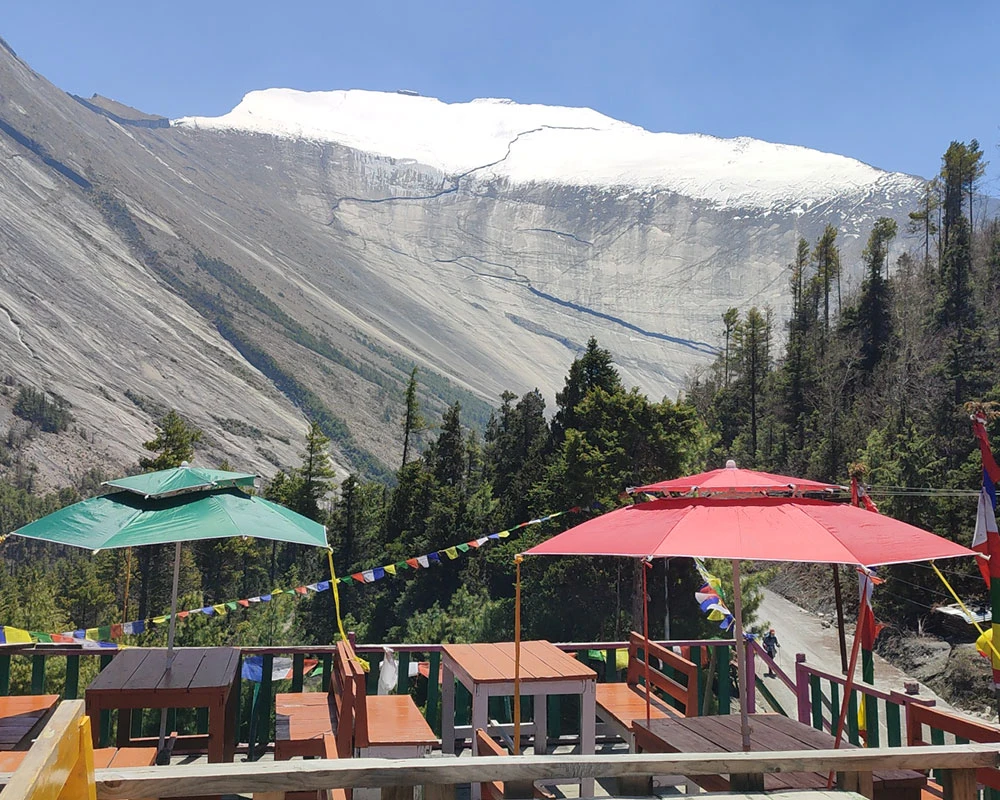
After Bhratang, the trail becomes one of the most memorable sections of the day. You walk beneath the massive curved rock wall of Paungda Danda, often called the “Gateway to Heaven.” The scale of the cliff and the deep valley below make this part of the walk feel unique to the Annapurna region.

From here, the trail gradually climbs toward Dhikur Pokhari. You will notice the air getting cooler and the scenery becoming more open, with pine trees and high peaks surrounding you from all sides. After a lunch break along the way, you continue walking until you reach Pisang.

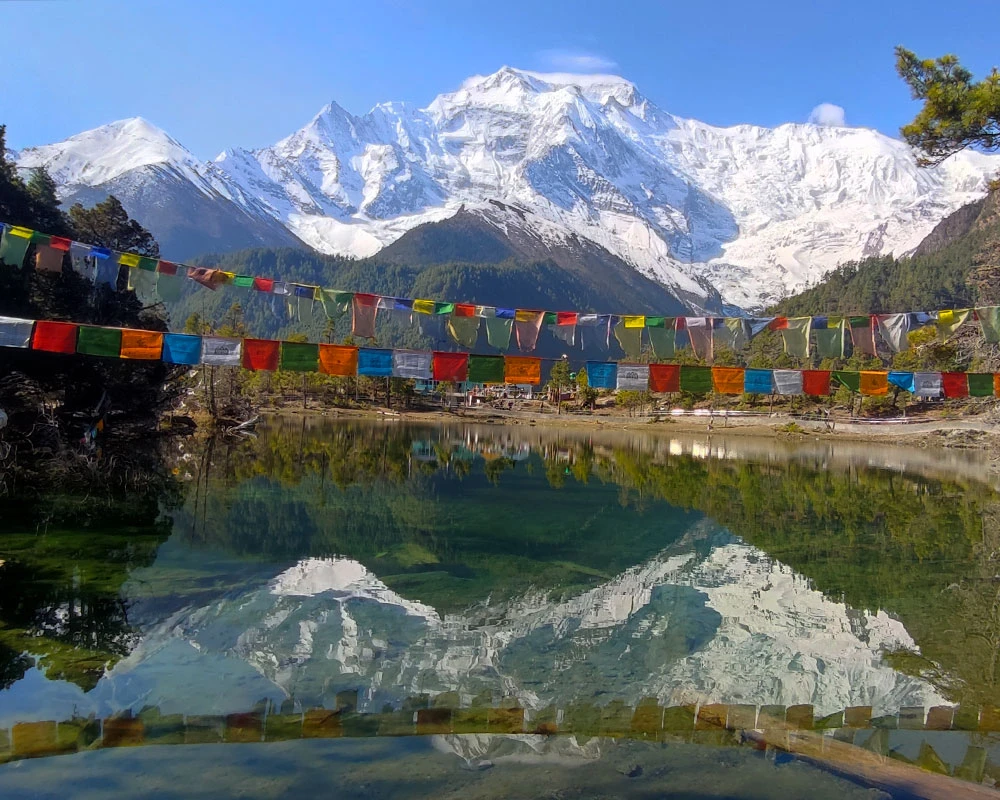
Pisang is divided into Lower Pisang and Upper Pisang. Lower Pisang has more tea houses and is closer to the main trail. Upper Pisang is slightly uphill and offers a beautiful view of Annapurna II and Annapurna IV. Depending on the weather and your energy, you can explore the upper village for sunset views.

Day Overview:

  • Max. Altitude: Upper Pisang around 3300 m
  • Duration: 5 to 6 hours
  • Accommodation: Tea house in Pisang
  • Meals: Breakfast | Lunch | Dinner

Today’s walk is one of the most scenic days of the Annapurna Circuit. After breakfast, you leave Pisang and begin the gradual climb toward the upper trail that leads to Ghyaru. This route is slightly more challenging, but it rewards you with wide and clear mountain views throughout the day. Annapurna II, Annapurna IV, and Pisang Peak stay in sight almost the entire time.

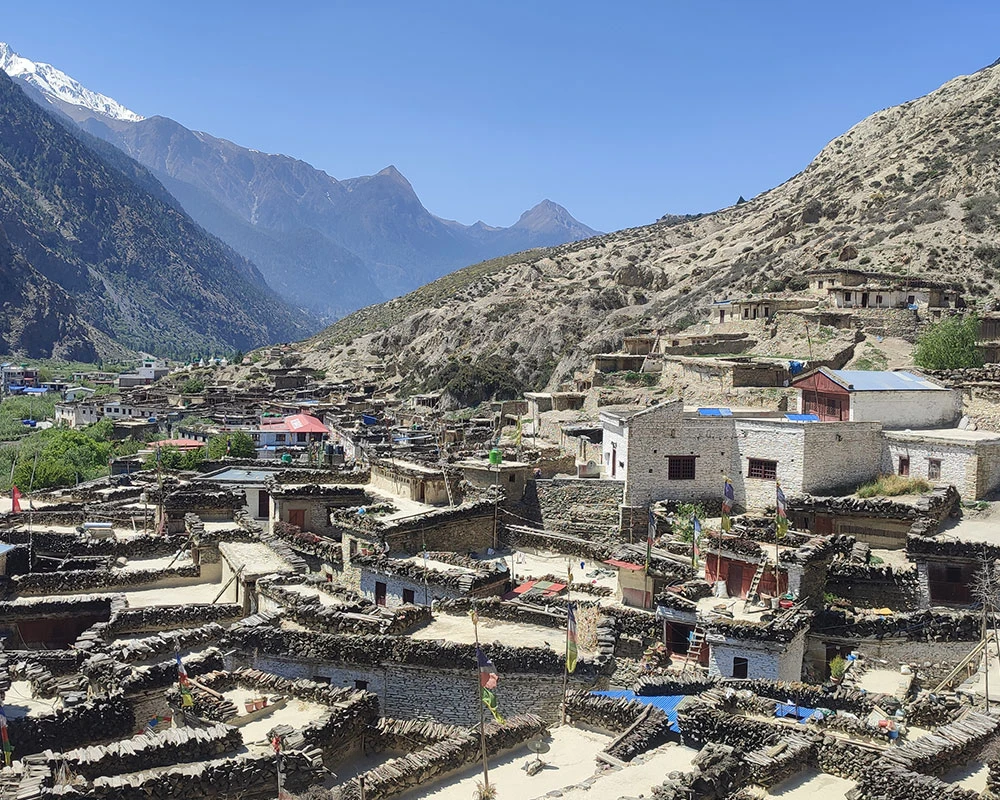
The climb to Ghyaru is steady but very beautiful. When you reach the village, you can take a short break, enjoy a cup of tea, and look over the valley you just walked through. From Ghyaru, the trail continues through open, windy landscapes toward Ngawal, another traditional village with stone houses and prayer flags. Many trekkers stop here for lunch because the views are peaceful and the surroundings feel untouched.

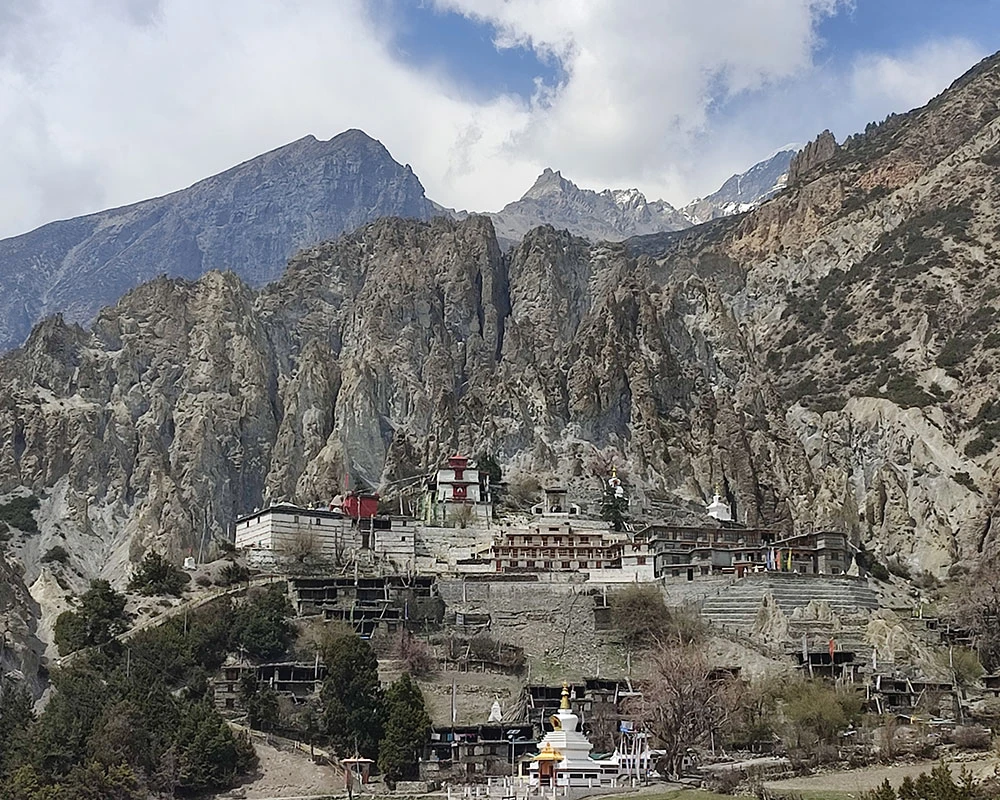
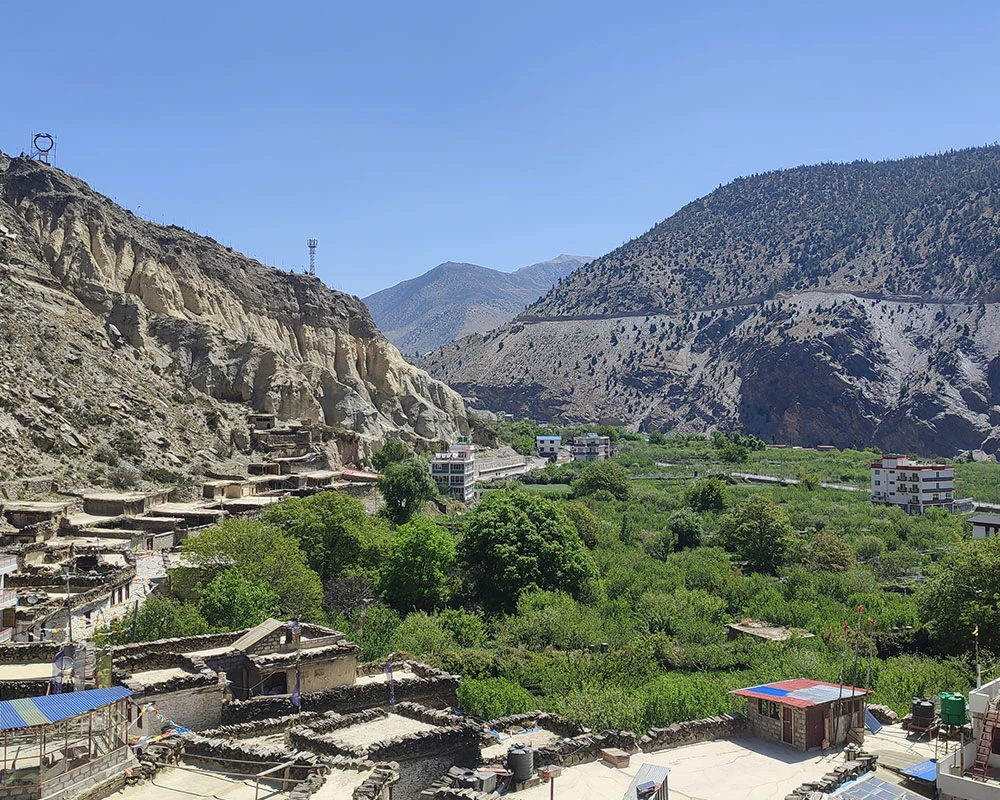
After Ngawal, the trail descends gradually toward the Manang Valley. You pass above Humde, where a small airstrip sits quietly in the middle of the mountains. A little further ahead is Braga, a lovely village known for its old monastery and warm hospitality.

From Braga, it takes around 20 minutes to reach Manang. This is one of the most developed villages on the circuit, with bakeries, tea houses, small shops, and excellent views of Gangapurna and Tilicho Peak.

Day Overview:

  • Max. Altitude: Manang at 3540 m
  • Duration: 6 to 7 hours
  • Accommodation: Tea house in Manang
  • Meals: Breakfast | Lunch | Dinner

Manang is one of the best places on the Annapurna Circuit for proper acclimatization. The village sits in a wide, open valley surrounded by snowcapped peaks, and the slower pace here helps your body adjust to the higher altitude.

After breakfast, you can choose from a few short side hikes. One popular option is the walk to Gangapurna Lake and the viewpoint above it. This hike is not very long, but it takes you high enough to support acclimatization and offers beautiful views of the lake, the glacier, and the Manang Valley.

Another option is the hike toward Khangsar Village, which sits on the route to Tilicho Lake. This trail passes through quiet landscapes and gives you a sense of how the terrain is changing as you move closer to the high mountains. If you have extra days later, visiting Tilicho Lake is a wonderful extension.

The rest of the afternoon can be spent exploring Manang at your own pace. The village has small bakeries, coffee shops, and places where you can buy snacks or recharge your gear. Many trekkers also enjoy visiting the Himalayan Rescue Association center to attend an altitude talk, which provides helpful information for the days ahead.

Day Overview:

  • Max. Altitude: Side hikes up to 3800 m to 4050 m
  • Duration: 3 to 4 hours optional hiking
  • Accommodation: Tea house in Manang
  • Meals: Breakfast | Lunch | Dinner

You leave Manang after breakfast and follow a gentle trail that leads toward the higher valleys. The air feels cooler now, and the landscapes slowly become more open. The first part of the walk takes you through the quiet fields above Manang before you reach Gunsang, a small village with beautiful views of Gangapurna and the surrounding peaks. Many trekkers stop here for tea because the scenery is peaceful and refreshing.

After Gunsang, the trail becomes slightly narrower as it follows the side of the valley. You will notice fewer trees and more alpine plants, showing that you are entering a higher altitude zone. The walk is not too steep, but you can feel the altitude as you move above 4000 meters. Take your time and maintain a steady pace.

A long suspension bridge appears just before Yak Kharka. Crossing it is a nice moment because it marks the final section of the day. Once you reach Yak Kharka, you can enjoy a warm meal and relax. The area is quiet, with a handful of tea houses surrounded by open hills and grazing meadows.

This is a good place to rest early and stay hydrated because you are preparing for the higher altitudes ahead.

Day Overview:

  • Max. Altitude: Yak Kharka at 4050 m
  • Duration: 4 to 5 hours
  • Accommodation: Tea house in Yak Kharka
  • Meals: Breakfast | Lunch | Dinner

Today’s walk is shorter in distance but more challenging because of the altitude. After breakfast, you leave Yak Kharka and follow a steady trail that climbs gently above the valley. The morning air is crisp, and the surrounding hills look dry and open, with very few trees at this elevation.

After about an hour of walking, you reach a small settlement where many trekkers stop for tea. The trail continues along a narrow path carved into the hillside. One section is known for occasional landslides, so you walk slowly and carefully. Your guide will help you choose the safest line through this part.

Once you cross this section, the path gradually climbs toward a wide open area. A final uphill push brings you to Thorong Phedi, a busy resting point for trekkers preparing to cross Thorong La Pass the next morning. Phedi has a few tea houses where you can warm up, eat a hearty meal, and rest well.

Some trekkers choose to hike one more hour up to High Camp in the afternoon, but staying in Phedi usually gives a better night’s sleep and helps the body adjust to altitude. You can decide this with your guide depending on weather and how you feel.

Day Overview:

  • Max. Altitude: Thorong Phedi at 4450 m
  • Duration: 4 to 5 hours
  • Accommodation: Tea house in Thorong Phedi
  • Meals: Breakfast | Lunch | Dinner

Today is the longest and most rewarding day of the Annapurna Circuit. You begin early, usually before sunrise, to take advantage of stable morning weather. After a light breakfast, you start climbing gradually toward High Camp. The trail is steady and slow, and your headlamp guides the way until the sky becomes brighter.

From High Camp, the path continues to rise over open, rocky terrain. You walk at a comfortable pace, taking short breaks as needed. A small teahouse appears along the route, where many trekkers stop for a warm drink before making the final ascent.

The last section to Thorong La Pass is gentle but demanding because of the high altitude. When you reach the prayer flags and the signboard that marks the top at 5416 meters, you can take a moment to enjoy the view and appreciate the achievement. It is one of the highest trekking passes in Nepal, and standing here feels special for every trekker.

After spending some time at the pass, you begin the long descent toward Muktinath. The terrain changes quickly, and the landscape becomes wider and drier as you enter the Mustang region. The downhill walk is easier on the lungs but tiring on the legs, so you take your time and move steadily.

By afternoon, you reach Muktinath, an important pilgrimage site for both Hindus and Buddhists. The village has comfortable tea houses, warm meals, and a peaceful atmosphere after a big day in the mountains.

Day Overview:

  • Max. Altitude: Thorong La Pass at 5416 m
  • Duration: 8 to 10 hours (longest day)
  • Accommodation: Tea house in Muktinath
  • Meals: Breakfast | Lunch | Dinner

After breakfast, you begin your gentle descent from Muktinath. The trail first passes through Jharkot, a quiet village known for its Tibetan-style houses and a beautiful old monastery. The views here are wide and open, with the dry Mustang landscape stretching far into the distance.

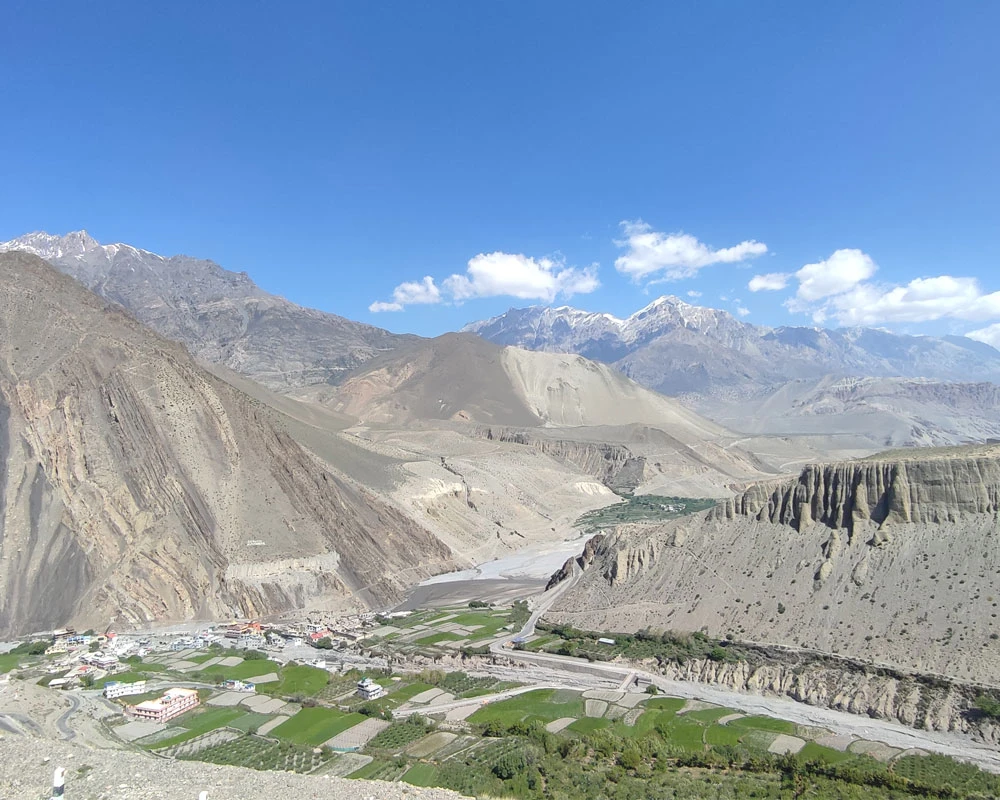
As you walk further, you reach Khingar and then enter the broader Jhong Valley. This section feels peaceful, with a mix of small cultivated fields and traditional settlements. You continue following the trail until you arrive at Kagbeni, one of the oldest villages in the region. Kagbeni stands at the gateway to Upper Mustang and has a special charm with its narrow alleys, monasteries, and stone-built houses.

After a short break or lunch in Kagbeni, you follow the Kali Gandaki River downstream toward Jomsom. The trail is mostly flat and open, and the strong afternoon winds that are common in this valley will guide you toward the town. Jomsom has bakeries, shops, and comfortable tea houses, making it a relaxing place to end the day after the long journey from the pass.

Day Overview:

  • Max. Altitude: Muktinath at 3760 m
  • Duration: 5 to 6 hours
  • Accommodation: Tea house in Jomsom
  • Meals: Breakfast | Lunch | Dinner

You wake up early to catch the morning flight from Jomsom. The weather is usually clear at this time, and the short flight takes you over the deepest gorge in the world with close views of Dhaulagiri, Nilgiri, Annapurna, and the mountains you trekked beneath in the previous days. The flight is only about twenty minutes, but the scenery makes it feel special.

After landing in Pokhara, you transfer to your hotel and take some time to rest. The change in climate, comfort, and warmth feels nice after days of higher altitude. Once you are settled, you can explore Pokhara at your own pace. Many trekkers enjoy visiting Phewa Lake, Davis Falls, the Peace Pagoda, or simply relaxing in Lakeside cafés.

The rest of the day is free for you to enjoy Pokhara’s calm atmosphere before heading back to Kathmandu.

Day Overview:

  • Max. Altitude: Pokhara at 822 m
  • Duration: 20 minutes flight + free day
  • Accommodation: Hotel in Pokhara
  • Meals: Breakfast | Lunch | Dinner

After breakfast, you begin your return journey to Kathmandu. The drive follows the Prithvi Highway and takes around six hours depending on traffic. The road passes along rivers, small towns, and green hills, giving you a quiet and easy travel day after many days of trekking.

There are tea shops and rest stops along the way where you can stretch your legs or have a light snack. As you get closer to Kathmandu, the scenery slowly shifts back to busy markets and city life.

Once you reach your hotel, you can take a shower, rest, or go out for some light shopping. Many trekkers like to pick up souvenirs such as pashmina, handicrafts, kukuri knives, or handcrafted jewelry before heading home.

In the evening, our team invites you for a simple farewell dinner. It is a nice moment to share your experience, talk about your favorite parts of the trek, and enjoy your final evening in Nepal.

Day Overview:


  • Max. Altitude: Kathmandu at 1400 m
  • Duration: 6 hours
  • Accommodation: Hotel in Kathmandu
  • Meals: Breakfast | Lunch | Dinner

This is your final day in Nepal. Depending on your flight schedule, you may have a little free time in the morning to relax, pack your bags, or walk around the nearby streets one last time. Our team will arrange your airport transfer and make sure you reach Tribhuvan International Airport comfortably and on time.

As you say goodbye, we hope the memories from the Annapurna Circuit stay with you for a long time. Thank you for choosing Himalayan Joy Adventure for your journey. We look forward to welcoming you again for another Himalayan trek.

Day Overview:

  • Max. Altitude: 1400 m
  • Duration: Airport transfer only
  • Accommodation: None
  • Meals: Breakfast

Annapurna Circuit Trek Route Map

Annapurna Circuit Trek map

Service Details

What's Included
  • Airport picks up and drops by Private Vehicle.
  • 4 nights Hotel (3 star) in Kathmandu in twin sharing basis on BB plan
  • One day sightseeing in Kathmandu
  • One night hotel in Pokhara
  • Full board meals (Breakfast+Lunch+Dinner) and Accommodation on twin sharing basis during the trek
  • Transportation from Kathmandu to Benshisahar
  • Tourist bus Pokhara to Kathmandu
  • English speaking guide
  • Porter (One porter for two people)
  • Insurance for Himalayan Joy Staff
  • Himalayan Joy Adventure T-Shirt
  • Himalayan Joy Adventure Duffel bag
  • TIMS permit
  • Annapurna Conservation Area Permit
What's not Included
  • Travel insurance which covers emergency Rescue and Evacuation ( Most Required)
  • International airfare and airport departure tax 
  • Nepal entry visa; you can obtain a visa easily upon your arrival at Tribhuwan International Airport in Kathmandu. (Tourist Visa with Multiple Entries for 15 days can be obtained by paying US $ 25 or equivalent foreign currency. Similarly, Tourist Visa with Multiple Entries for 30 days can be obtained by paying US $ 40 and Tourist Visa with Multiple Entries for 90 days can be obtained by paying US $ 100. Please bring 2 copies of passport size photos).
  • Cold drinks such as Mineral water, Cola, Beer etc.(Mineral water will cost per liter from Rs. 100 till Rs.500 and if you bring water purifying tablet is best idea cause you will help to save nature from not using plastic bottles and also its much cheaper then mineral water )
  • Bars bill such as Mars, Sneaker, Bounty chocolate etc
  • Personal trekking and climbing Equipment
  • Tips for trekking staffs and driver
  • Any others expenses which are not mentioned on 'Price Includes' section.
Availability and Price

We have fixed departure dates for the Annapurna Circuit trek 2025

Useful Information

Best Time to Trek the Annapurna Circuit

The best time to do the Annapurna Circuit Trek is in Autumn(September, October, and November) or Spring(mid-February to April). These seasons have the best weather and the most beautiful views, making your trek more enjoyable.

Autumn is a great time because the rains have stopped, and the skies are clear, giving you amazing views of the mountains. The weather is stable, with comfortable temperatures during the day, though nights can be cooler. The trails are lively with trekkers, creating a fun and social atmosphere.

Spring is another wonderful season. The forests come alive with colorful rhododendrons in red, pink, and white, making the trek even more magical. The weather is warmer, and the longer days make it easier to enjoy the journey.

While winter (December to February) and monsoon (June to August) are less popular, some trekkers still choose these times. Winter offers quieter trails but can be very cold, and the monsoon season brings lush greenery but also muddy and slippery paths.


Necessary Preparations for the Annapurna Circuit Trek

The Annapurna Circuit Trek is a challenging adventure, but you don’t need to be an experienced trekker to complete it. With the right preparation and mindset, most people with average fitness can handle the trek. Here’s what you need to know:

1) High Endurance is Key

The Annapurna Circuit Trek requires walking for 6 to 8 hours a day for about 15 days, depending on your speed and route. To get ready, build your stamina by doing regular cardio exercises like jogging, cycling, swimming, or brisk walking. Start training at least 2 to 3 months before your trek and slowly increase the length and intensity of your workouts. This will help your body handle long days of walking and make the trek more enjoyable. Good endurance not only helps you physically but also boosts your confidence to face daily challenges on the trail.

2) Climbing and Walking Ability

The trek has steep climbs and descents, especially when crossing the Thorong La Pass at 5,416 meters (17,769 feet). To prepare, practice walking on hilly or uneven trails, which will strengthen your leg muscles and get you ready for tough sections of the trek. Start with shorter hikes and gradually increase the difficulty. If you can, train on trails similar to mountain paths, with rocky or steep areas. This practice will make the climbs easier and help you enjoy the amazing views without feeling too tired.

3) Altitude Preparedness

The trek takes you to high altitudes where the air is thinner and breathing becomes harder. While you can’t fully prepare for this, being physically fit helps your body adapt. Acclimatizing slowly during the trek is important to avoid altitude sickness. You can also do exercises that improve your breathing, like swimming or deep-breathing exercises, to prepare your lungs. Staying hydrated, eating well, and listening to your body are also key to staying safe and comfortable during your trek.

4) Carrying Your Backpack

If you’re not hiring a porter, you’ll need to carry your own backpack with essentials like clothes, snacks, and water. Your bag may weigh around 5–10 kilograms (11–22 pounds). To prepare, practice walking with a backpack at home. Start with lighter weights and shorter walks, then increase the load and distance as you get stronger. This will help your back and shoulders get used to carrying the weight. A balanced backpack will make your trek easier and let you enjoy the journey without feeling too heavy or tired.

5) Flexibility and Balance

Some parts of the Annapurna Circuit trail are uneven, rocky, or slippery, so it important to have good balance and coordination. Activities like yoga, stretching, or light strength exercises prior to your trek can help you improve your flexibility and balance. These simple exercises prepare your body for the trek and lower the chance of getting injured. 

6) Mental Strength

Being physically fit is important, but having a strong mind is also important for the Annapurna Circuit Trek. Walking for long hours, dealing with changing weather, and climbing steep paths can feel tough at times. Staying positive and motivated will help you keep going. 

Break the trek into smaller steps, celebrate each achievement, and remember why you chose to do this adventure. A strong mindset will not only help you get through difficult moments but also let you enjoy the amazing views and the sense of accomplishment that comes with completing the trek.


Important Documents Required for the Annapurna Circuit Trek

The Annapurna Circuit trek is one of Nepal's most famous trekking routes, known for its amazing views, diverse trails, and unique cultural experiences. To go on this adventure, you will need to get two important permits. These permits are required by the government to make sure your trek is safe and to protect the natural environment.

1) TIMS Card (Trekker's Information Management System)

The TIMS card is a must-have for anyone trekking in Nepal. It helps authorities keep track of trekkers and ensures your safety in case of emergencies.

  • Types of TIMS Cards:

    • Individual TIMS Card: For trekkers traveling alone.

    • Group TIMS Card: For trekkers traveling with a registered trekking agency.

  • Why It’s Needed: The TIMS card also supports the maintenance of trekking trails and improves safety measures for trekkers.

2) ACAP Permit (Annapurna Conservation Area Project)

The Annapurna Conservation Area is a protected region known for its beautiful landscapes and wildlife. You need an ACAP permit to enter this area.

  • Why It’s Important: The ACAP permit helps fund projects that protect the environment, wildlife, and culture of the region. It also supports sustainable tourism.

Things required to Get the Permits

To apply for the TIMS card and ACAP permit, you’ll need:

  • A valid passport (original and a photocopy).

  • Two passport-sized photos for the application.

  • Cash in Nepali rupees to pay the permit fees.

Extra Tips:

  • Always carry your permits with you during the trek because you’ll have to show them at different checkpoints.

  • If you’re trekking with a guide or porter, make sure they also have their required permits.

  • Permits cannot be refunded or transferred to someone else, so double-check everything before applying.


Things You Can Expect on the Annapurna Circuit Trek

The Annapurna Circuit trek offers an incredible mix of natural beauty, cultural experiences, and physical challenges. As you plan your journey, it’s important to know what to expect in terms of accommodations, meals, and other essentials along the trail.

1) Accommodation

  • Teahouses: Most trekkers stay in teahouses, which are small lodges run by local families. These offer basic facilities, including a bed with blankets, a communal dining area, and shared bathrooms.

  • Room Types:

    • At lower altitudes, rooms are usually twin-shared with simple furniture.

    • At higher altitudes, rooms may become smaller and more basic. Some teahouses might have limited heating, so carrying a good sleeping bag is recommended.

  • Availability: In peak trekking seasons (spring and autumn), teahouses can fill up quickly. It’s a good idea to arrive early at your destination for the day to secure a room.

2) Meals During the Trek

  • Variety: Teahouses offer a surprising range of meals, though the menu becomes more limited as you ascend. Popular options include:

    • Dal Bhat: A traditionalNepali meal of rice, lentil soup, and vegetables, offering unlimited refills.

    • Noodles and Soups:Perfect for staying warm and energized in cold weather.

    • Pasta and Pancakes: Simple yet filling options, often available in most teahouses.

    • Snacks: Items like boiled eggs, Tibetan bread, and energy bars are commonly found.

  • Drinks: Hot drinks such as tea, coffee, and hot lemon are available. You can also fill your bottle with boiled water (for a fee) to stay hydrated.

  • Costs: Meal prices increase with altitude due to the difficulty of transporting supplies. For budget planning, expect meals to be more expensive at higher elevations.

Tips for Accommodation and Meals:

  • Electricity and Wi-Fi: These are often available for an additional charge, especially at higher altitudes. Power outages are common, so carry a power bank.

  • Dietary Restrictions: If you have specific dietary needs, let the teahouse owners know in advance. Options for vegetarians are widely available.

  • Stay Hydrated: Always drink safe water. Use purification tablets or buy boiled water from teahouses.

  • Be Flexible: As conditions can vary, embrace the simplicity and enjoy the warm hospitality of the local people.

Annapurna Circuit Trek FAQs

  • The highest altitude in the Annapurna Circuit trek is Thorong La pass (5,416 m / 17769 ft).

  • Accommodation on the Annapurna Circuit trek consists mostly of basic teahouses run by locals. Rooms are simple, usually twin-sharing, with a bed, blanket, and pillow. Heating is only available in the dining area, and hot showers cost extra. It's best to carry a sleeping bag for warmth.

  • The food on the Annapurna Circuit trek is similar to that on other treks in Nepal. Teahouses offer dal bhat, momos, noodles, pasta, pancakes, soups, and basic Western dishes.

  • Normally, we need 12 -15 days for the Annapurna Circuit trek.

  • Wifi and mobile connectivity on the Annapurna Circuit Trek are limited. Most tea houses have wifi for a fee, but it's slow and unreliable. Mobile network (mainly Ncell and Namaste) works in lower sections but is weak or absent at higher altitudes.

  • The Annapurna Circuit trek is a moderately challenging trek with steep ascents, high altitudes (up to 5,416 m at Thorong La), and long trekking days, requiring good fitness and acclimatization.

  • A guide and porter are highly recommended for navigation, safety, and carrying heavy loads, especially in high-altitude conditions in the Annapurna Circuit trek.

  • Yes, you can trek to Annapurna Circuit in winter, but it will be extremely cold, with temperatures dropping well below freezing. The trails may be covered in snow and ice, requiring proper gear and preparation for harsh conditions.

  • Tipping is widely accepted and often expected when trekking in Nepal, especially within the tourism industry. If you've hired a guide or porter, it's customary to tip them.

Traveler Reviews
What Our Happy Clients Say
Similar Trips
You May Also Like
24/7 Customer Support