Tour Highlights
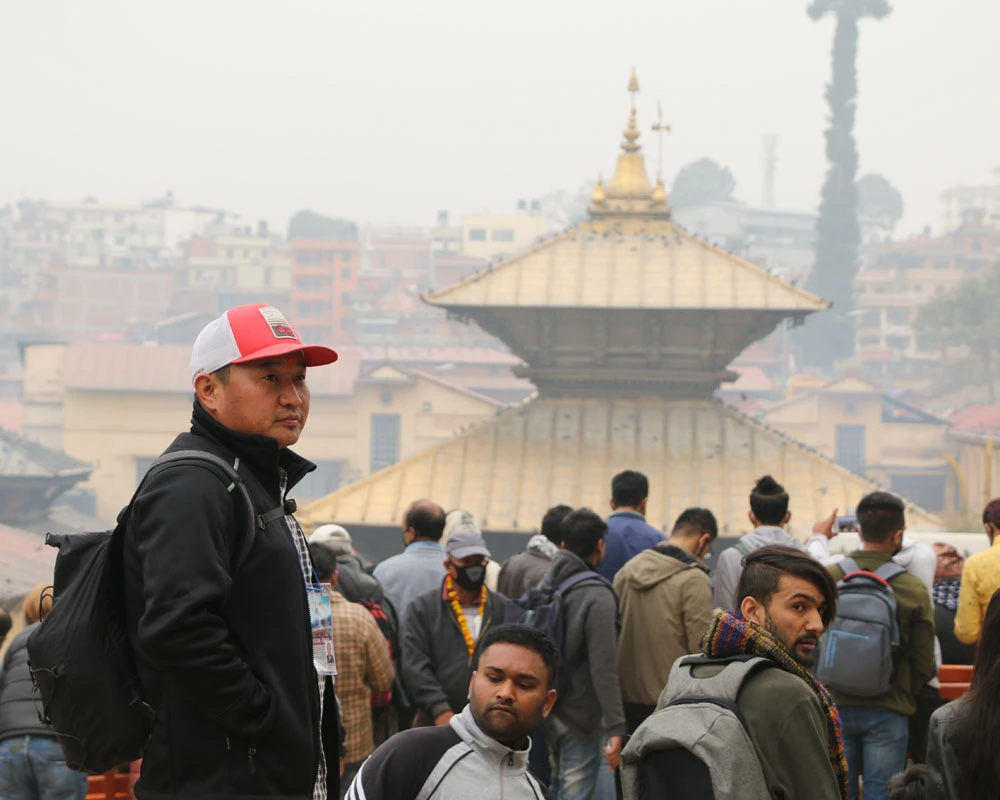
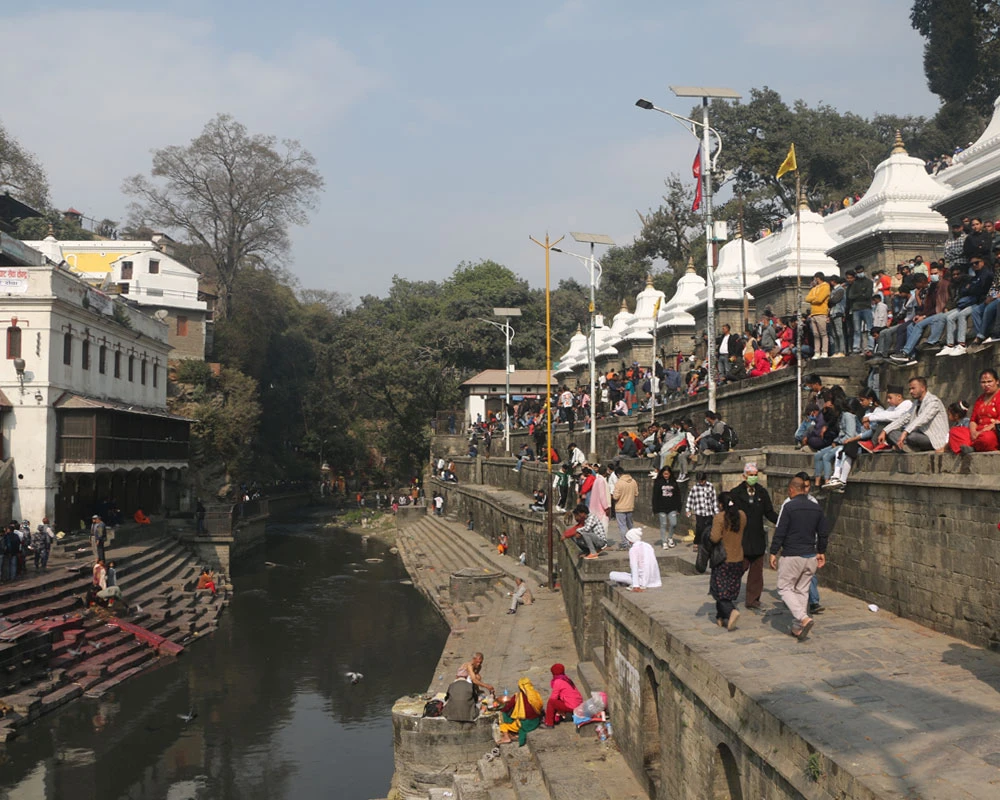
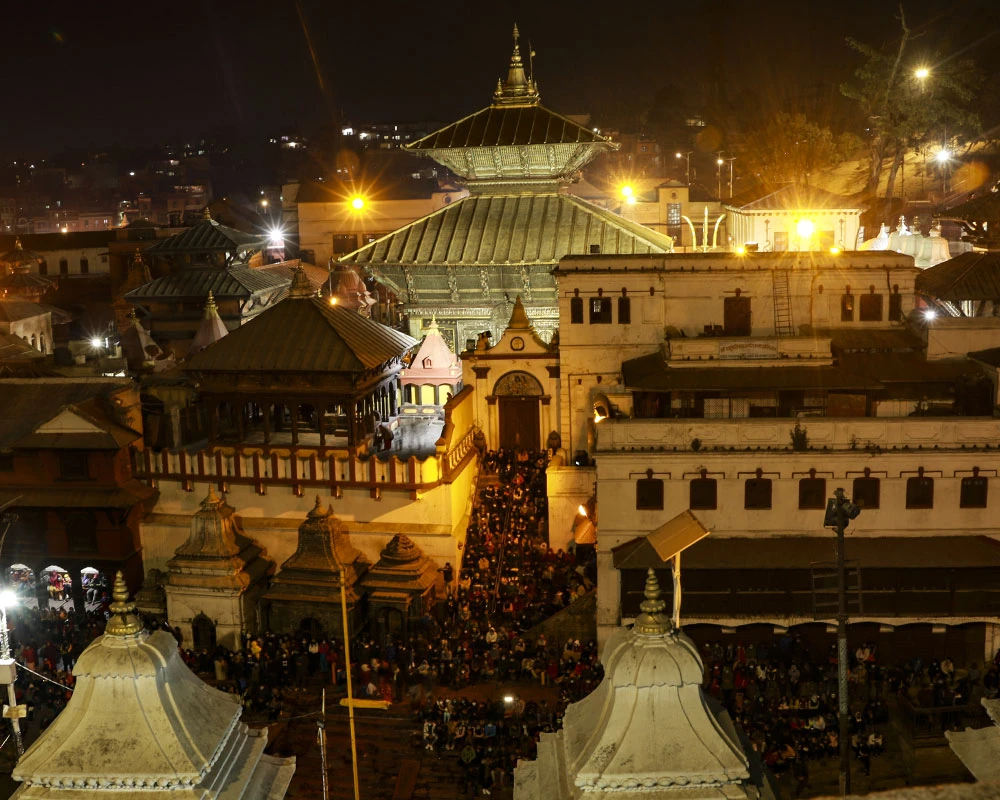
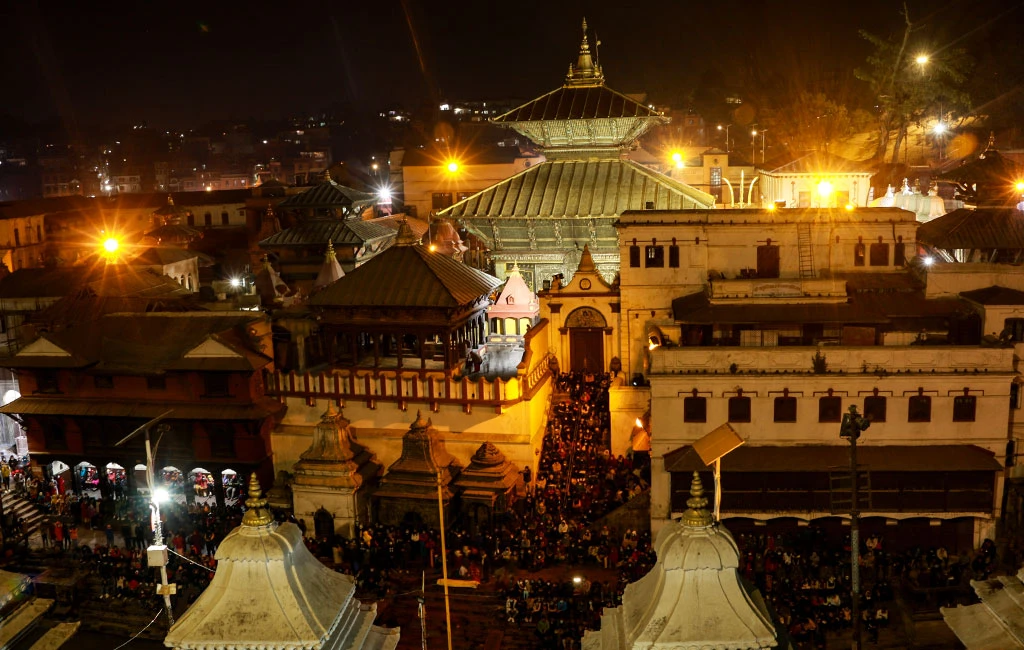
- Experience the vibrant Maha Shivaratri celebrations at Pashupatinath Temple in Kathmandu.
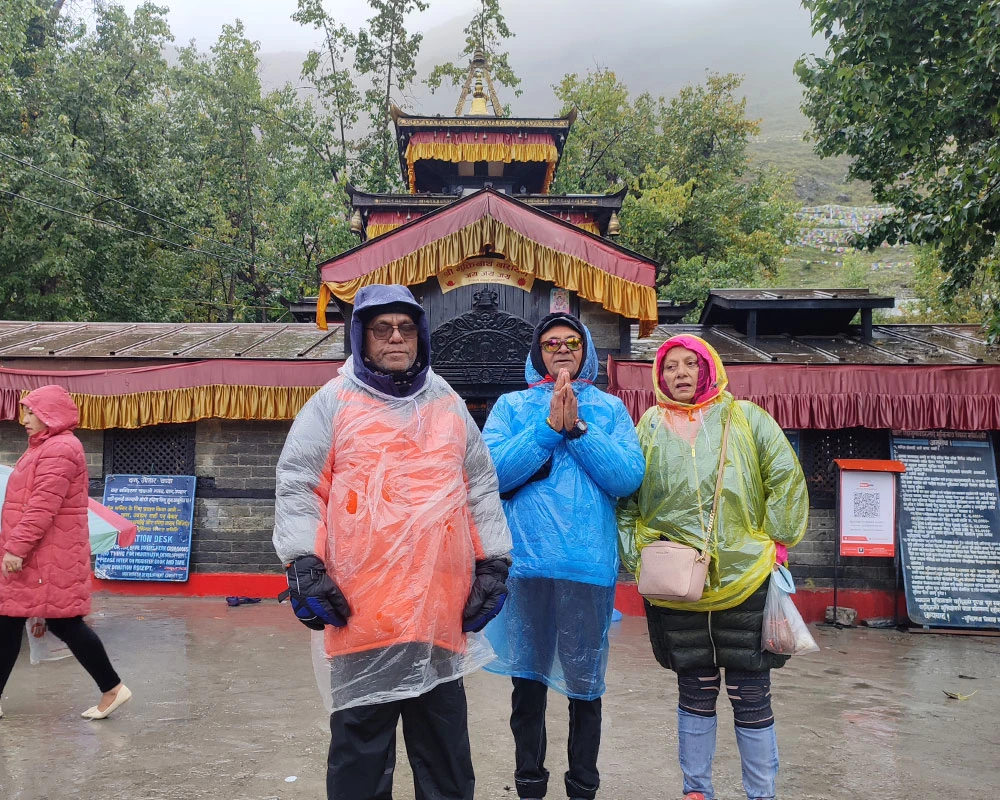
- Visit the sacred Muktinath Temple, one of Nepal's most important pilgrimage sites.
- Take part in traditional rituals, including the 108 holy water spouts at Muktinath.
- Explore Jwala Mai Temple and witness its unique natural eternal flame.
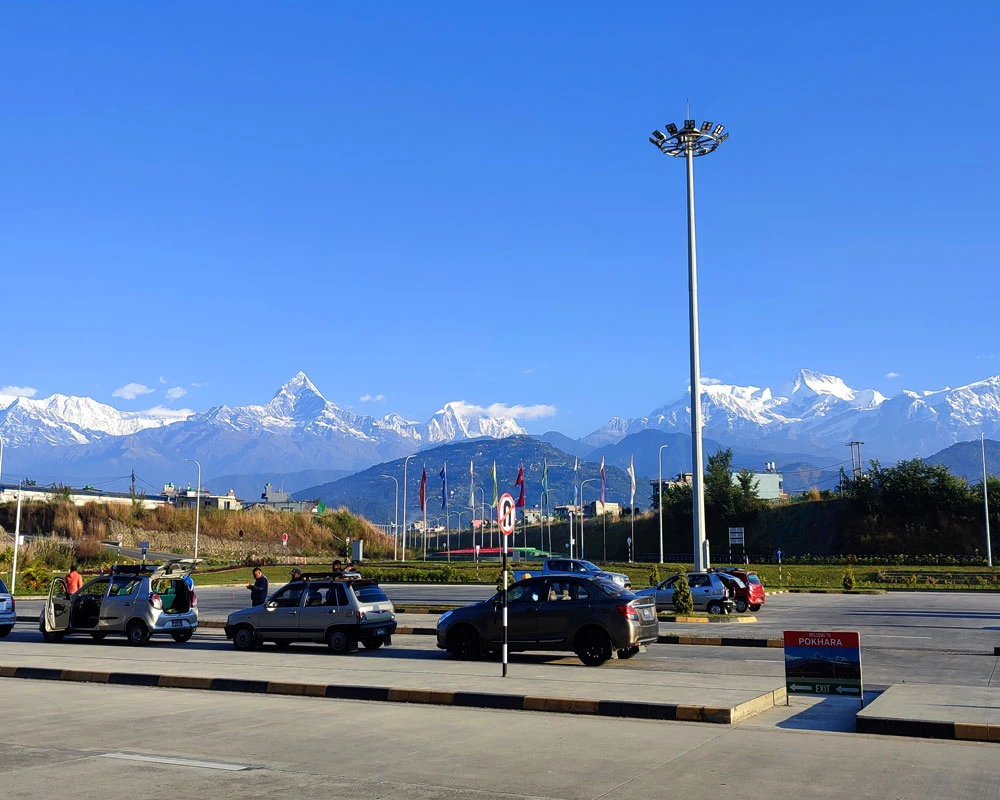
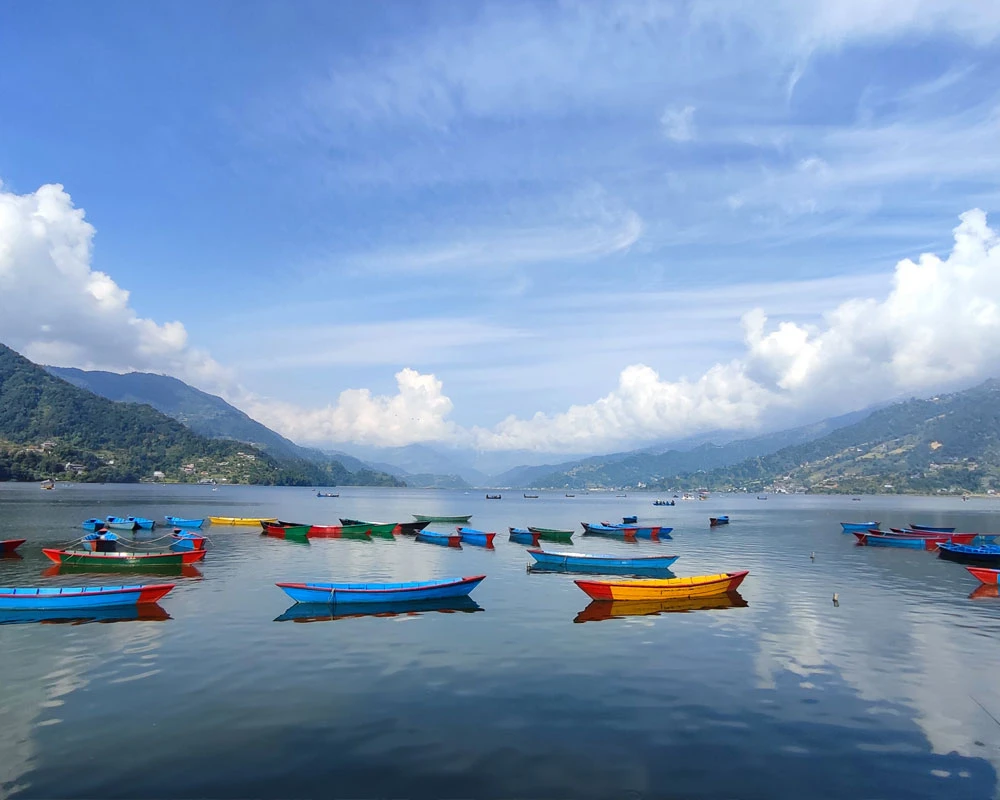
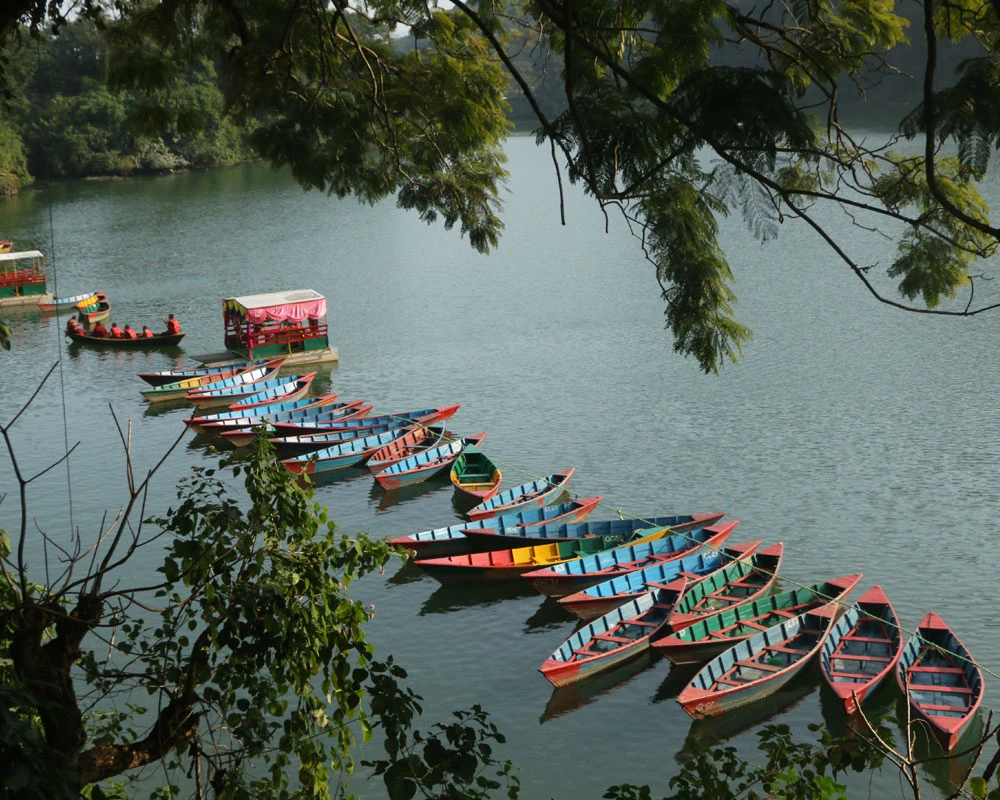
- Travel through the beautiful cities of Kathmandu and Pokhara before entering the Mustang region.
- Enjoy spectacular views of the Annapurna and Dhaulagiri mountain ranges throughout the journey.
- Discover the rich religious and cultural heritage of Nepal through temples, monasteries, and traditional Himalayan communities.
Maha Shivaratri Muktinath Tour Overview
The Maha Shivaratri Muktinath Tour brings together two of Nepal's most important religious experiences in a single journey. The tour begins in Kathmandu during Maha Shivaratri, when Pashupatinath Temple comes alive with thousands of devotees gathering to worship Lord Shiva. From there, the journey continues to Muktinath, one of the most sacred pilgrimage sites in the Himalayas.
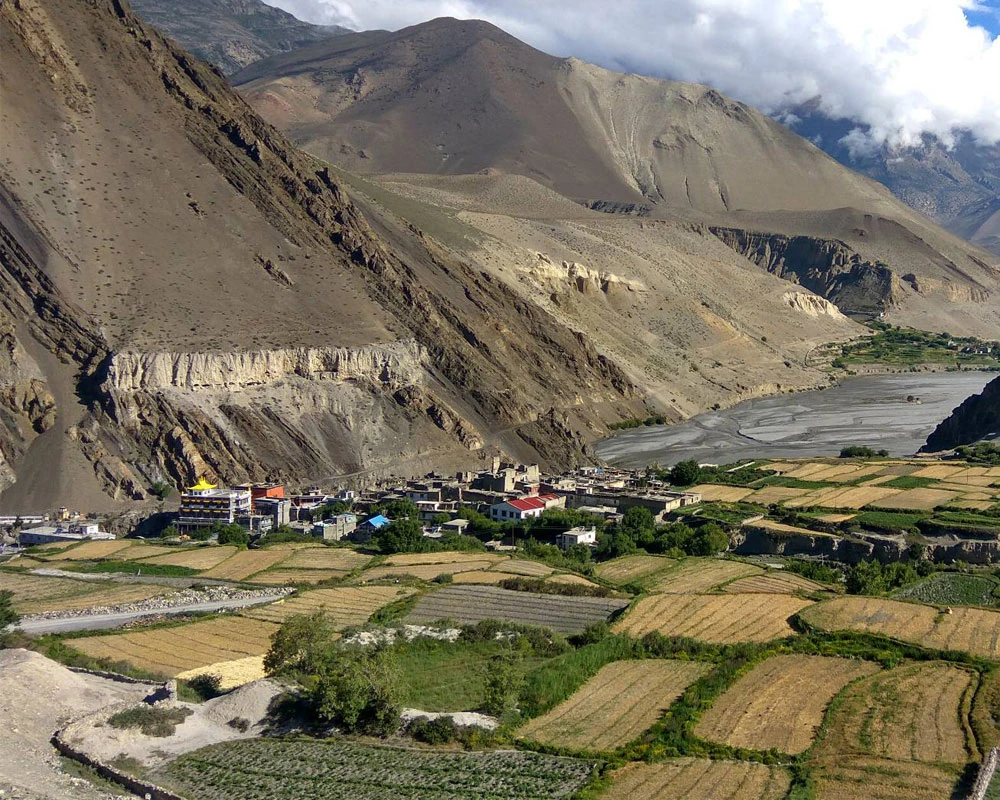
Along the way, you will travel through some of Nepal's most diverse landscapes. From the cultural heritage of Kathmandu to the lakeside atmosphere of Pokhara and the rugged valleys of Mustang, each destination offers something different. The journey also includes visits to monasteries, traditional villages, and important religious sites that have been part of local life for centuries.
For many travelers, this tour is not only about visiting temples. It is an opportunity to experience Nepal's religious traditions, explore the Himalayan region, and take part in one of the country's most important festivals.
Why Visit Muktinath During Maha Shivaratri?
Many pilgrims who come to Nepal for Maha Shivaratri choose to continue their journey beyond Kathmandu and visit Muktinath. Together, these two destinations create a pilgrimage that combines the energy of Nepal's largest Shiva festival with the peaceful atmosphere of one of its most respected sacred sites.
After experiencing the celebrations at Pashupatinath Temple, arriving in Muktinath feels completely different. The crowds and festival atmosphere are replaced by mountain landscapes, prayer flags, monasteries, and the quiet surroundings of Mustang.
Visitors can take part in traditional rituals at the temple, including bathing beneath the 108 sacred water spouts and visiting the nearby Jwala Mai Temple. For many devotees, visiting Muktinath during the Maha Shivaratri period adds another meaningful chapter to their pilgrimage in Nepal.
What Makes Muktinath Temple Special?
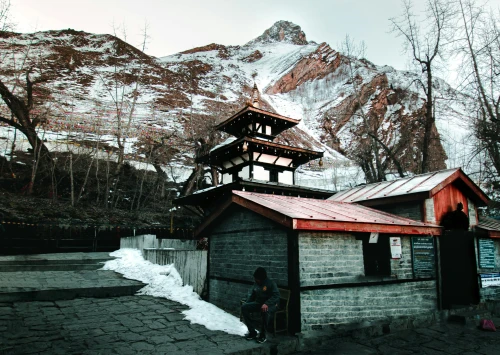
Muktinath Temple has been an important place of worship for centuries and remains one of Nepal's most respected pilgrimage destinations. Located at 3,710 meters in the Mustang region, the temple attracts devotees from across Nepal and beyond.
For Hindus, Muktinath is one of the 108 Divya Desams dedicated to Lord Vishnu. Many pilgrims make the journey here believing that prayers offered at the temple help them move closer to moksha, or liberation from the cycle of rebirth.
One of the most memorable parts of a visit is the row of 108 water spouts behind the main temple. Even in the cold mountain air, pilgrims pass beneath each spout as part of a traditional purification ritual. Nearby, the Jwala Mai Temple contains a natural flame that has burned continuously for generations, making it one of the most unique sacred sites in Nepal.
Muktinath is also revered by Buddhists, who associate the site with Avalokiteshvara, the Bodhisattva of Compassion. This shared respect has helped make Muktinath a symbol of harmony between Hindu and Buddhist traditions.
How Is Maha Shivaratri Celebrated at Pashupatinath Temple?
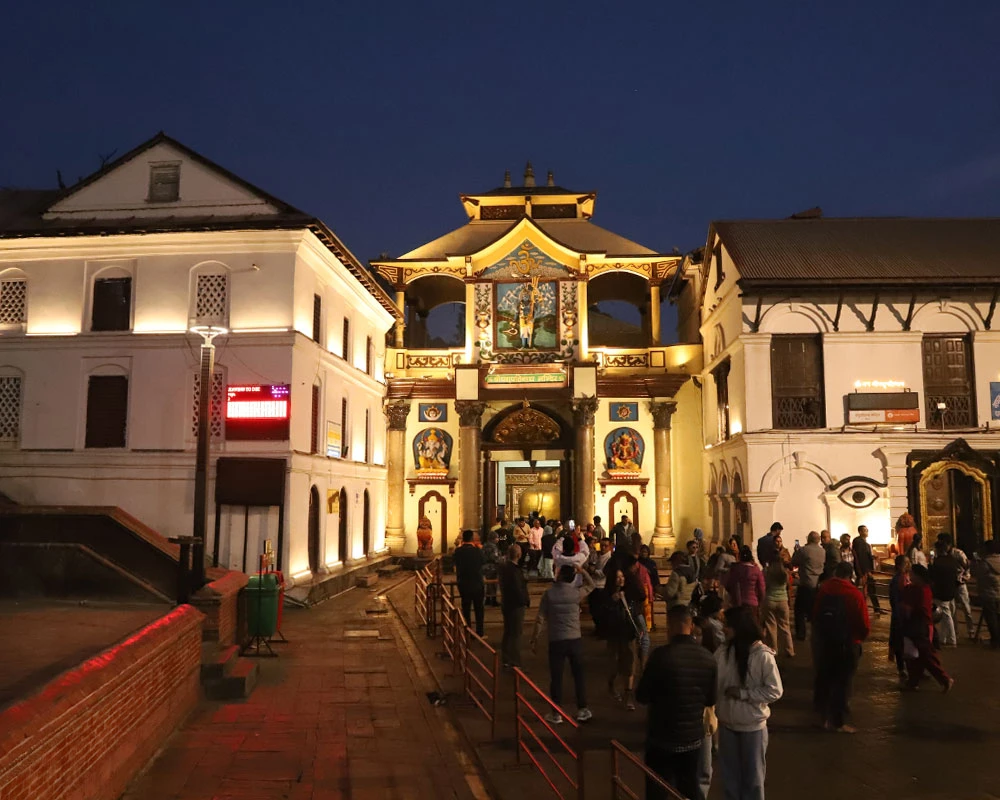
Maha Shivaratri is the biggest festival of the year at Pashupatinath Temple. On this special day, hundreds of thousands of devotees gather to worship Lord Shiva, creating an atmosphere unlike any other time of the year.
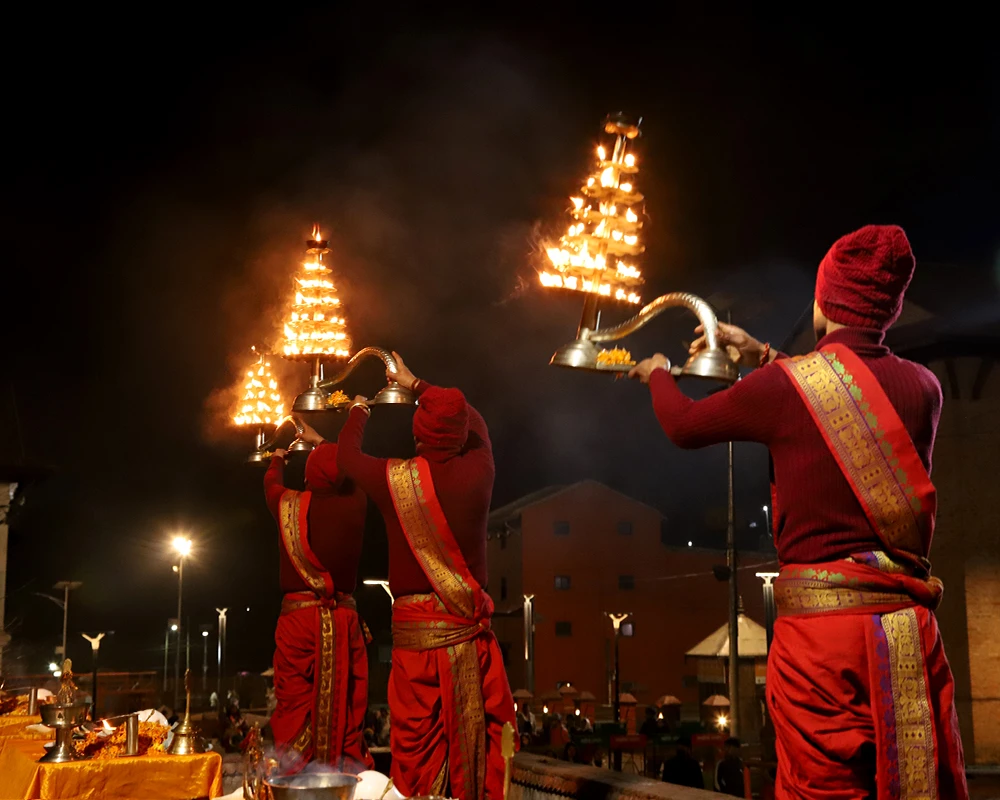
The celebrations begin early in the morning as pilgrims line up to offer flowers, bael leaves, milk, fruits, and sacred water at the temple. Throughout the day, the temple complex remains busy with prayers, devotional singing, and religious activities.
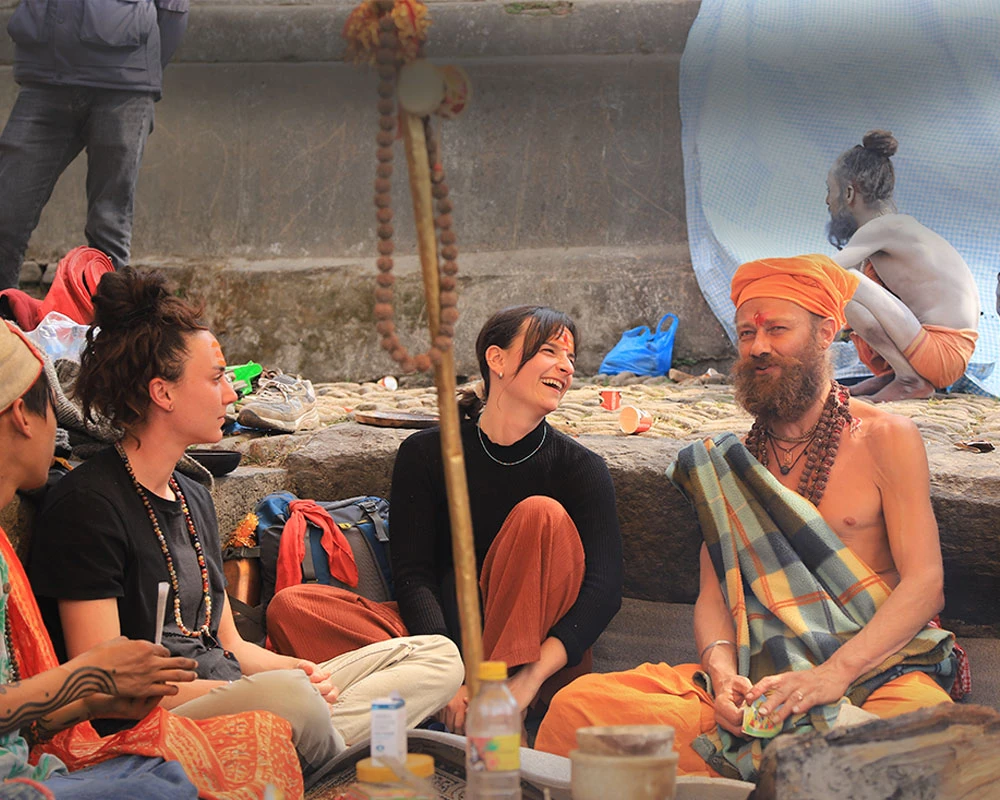
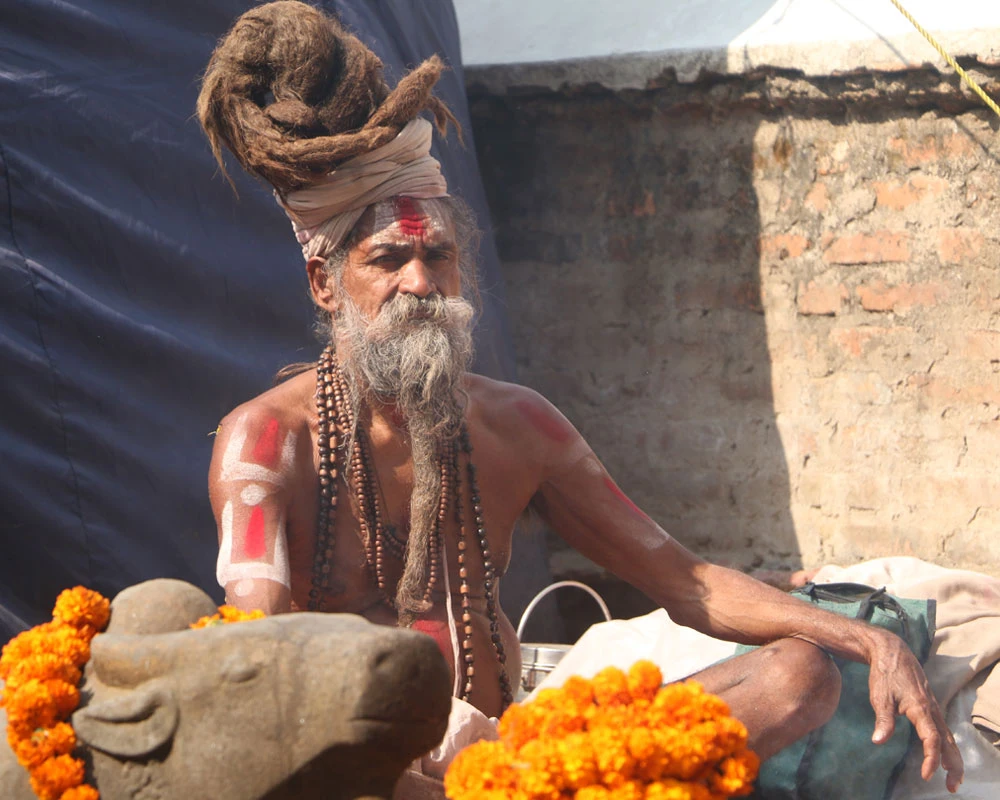
One of the most distinctive sights during Maha Shivaratri is the arrival of sadhus from Nepal, India, and other parts of South Asia. Dressed in traditional robes and covered in sacred ash, they gather around the temple grounds and have become an important part of the festival's identity.
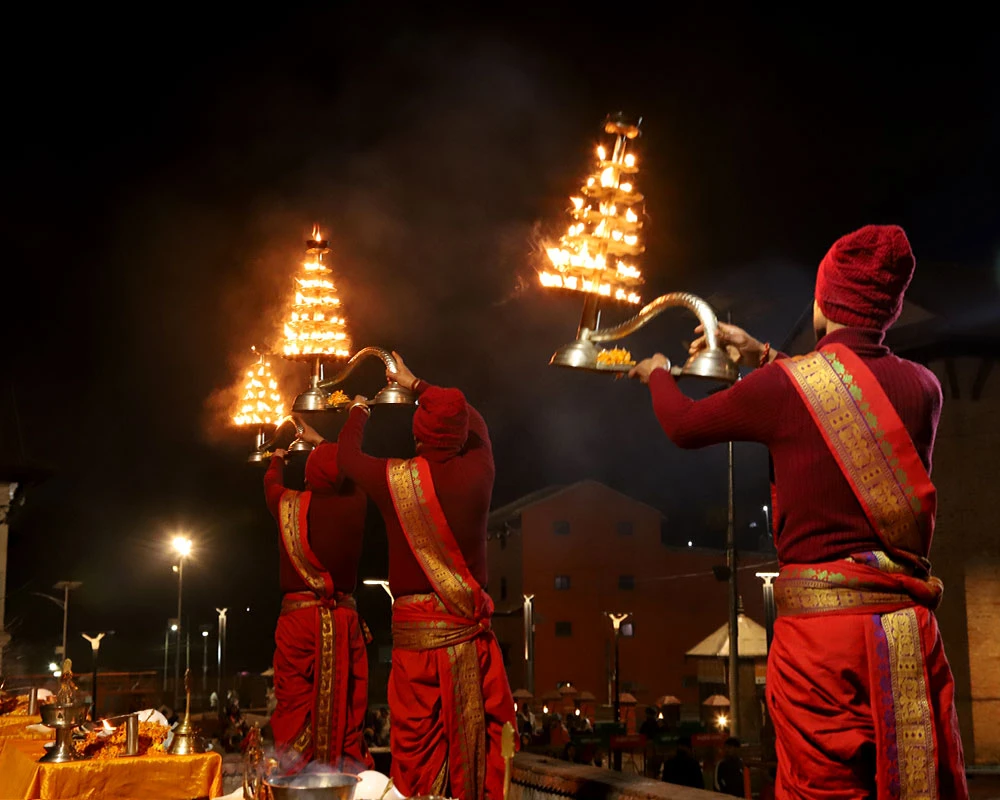
As night falls, the celebrations continue with devotional songs, prayers, and jagaran, a night-long vigil dedicated to Lord Shiva. For visitors, Maha Shivaratri offers a rare chance to witness Nepal's living religious traditions and see Pashupatinath at its most vibrant.