Most people think altitude or steep climbs are the hardest part of trekking in Nepal. But once you’re on the trail, it feels very different. Here’s what actually makes trekking challenging day by day.
The Hardest Part of Trekking in Nepal (It’s Not What You Think)
Table of Contents
If you are planning a trek in Nepal, you’ve probably already imagined what the hardest part will be. Most people think it’s the altitude, the long walking hours, or the steep uphill climbs.
And yes, those things are part of the experience.
But once you’re actually on the trail, many trekkers realize something different. The hardest part isn’t one big challenge. It’s not a single steep climb or a tough day.
It’s something much simpler, and it often surprises people.
In this blog, we will break down what trekking in Nepal really feels like day by day and what actually makes it challenging for most people.
What Do People Think Is the Hardest Part?
Before coming to Nepal, most trekkers already have an idea of what will be difficult.
The first thing that usually comes to mind is altitude. There’s a lot of talk around altitude sickness, and naturally, it becomes the biggest concern for many people.
Then comes the idea of long walking hours. Trekking 5 to 7 hours a day sounds exhausting, especially if you’re not used to that kind of routine.
Steep uphill climbs are another common expectation. People imagine constant ascents and physically demanding trails throughout the journey.
And of course, cold weather is something almost everyone prepares for, especially when thinking about higher altitudes.
All of these are real parts of trekking in Nepal, and they do play a role.
But once you’re actually on the trail, you start to realize that these aren’t always the things that feel the hardest.
What Actually Makes Trekking Feel Hard?
But once you’re actually on the trail, you start to notice something different.
It doesn’t feel hard because of one specific moment. It’s not just a steep climb or a long day that makes trekking challenging.
Instead, it’s the fact that you’re doing it every single day.
You wake up in the morning, get ready, and walk for a few hours. You reach your next stop, rest, eat, and go to sleep. And then the next day, you do the same thing again.
At first, it feels manageable. But as the days go on, the effort starts to build up slowly.
Your legs don’t feel fully fresh in the morning. You might still feel a bit tired from the previous day. But the routine continues, and you keep moving forward.
There isn’t really a “complete rest” feeling in between. Even shorter days still require you to walk, adjust, and keep your body going.
That’s when you realize the difficulty isn’t in one hard moment. It’s in staying consistent for multiple days in a row.
Why Does Trekking Feel Mentally Tiring?
Along with the physical effort, trekking can feel mentally tiring in ways people don’t usually expect.
Each day starts to follow a similar pattern. After a few days, this can begin to feel repetitive.
At the same time, you’re away from your usual comforts. Simple things like a hot shower, familiar food, or a stable internet connection aren’t always available. It’s not a big problem on its own, but over several days, these small changes can affect how you feel.
There are also moments during the walk when your mind starts to slow down. Long stretches of trail, especially on quieter routes, can feel a bit monotonous. Some days feel longer than others, even if the distance isn’t much different.
This is where mental strength becomes important.
It’s not about pushing through extreme difficulty but about staying patient, keeping a steady mindset, and adjusting to a slower, simpler routine for a few days.
How Hard Is It Physically (In Reality)?
Physically, trekking in Nepal is not as extreme as many people imagine. But it’s not easy either.
You will be walking for a few hours every day. Some days feel fine. Some days feel long.
As the days go on, your body starts to feel it.
Your legs can feel heavy in the morning. Long walks can cause blisters on your feet, especially if you’re not used to it. Small aches in your knees and shoulders are also common.
One thing many people don’t expect is that walking downhill can feel harder than going uphill. It puts more pressure on your knees, especially on longer descents.
Altitude also affects your body slowly. You may feel lower energy. Even simple sections can feel a bit more tiring than usual.
So physically, it’s not about one very difficult part.
It’s about handling small strains in your body every day and still being able to keep going.
Small Things That Become Big Challenges
On a trek, it’s often the small things that start to feel bigger as the days go on.
Mornings can be quite cold, especially at higher altitudes. Getting out of your sleeping bag early in the day is not always easy.
Tea house rooms are simple. They are comfortable enough, but you won’t always have things like hot showers or easy charging when you want them.
Food is good, but after a few days, it can start to feel repetitive. You will likely be eating similar meals again and again.
Sleep can also feel different. At higher altitudes, you might not sleep as deeply, and some nights don’t feel fully restful.
None of these feels like a big deal on the first day.
But after a few days, they start to add up.
And that’s when these small things begin to feel like real challenges.
Why Do First-Time Trekkers Feel It More?
For first-time trekkers, all of this can feel a bit more challenging.
It’s not just about the walking. It’s about adjusting to a completely new routine.
If you’ve never done a multi-day trek before, your body and mind are not used to this kind of pattern. Walking for a few hours every day, sleeping in simple tea houses, and repeating the same routine can take some time to get used to.
There can also be a gap between expectation and reality. Many people imagine trekking as something more relaxed or scenic all the time. But in reality, there are tiring moments, slow days, and small discomforts along the way.
Because of this, even normal parts of the trek can feel harder than expected.
But once you start understanding the rhythm of the trek, things usually begin to feel more manageable.
So, Is Trekking in Nepal Really That Hard?
Not really. But it’s not something you should take lightly either.
Trekking in Nepal is manageable for most people, even if it’s your first time. You don’t need to be extremely fit or have prior trekking experience to complete many popular routes.
At the same time, it’s not just a casual walk.
You will be walking for several days in a row, adjusting to a new routine, and dealing with small physical and mental challenges along the way.
The difficulty is not extreme, but it is consistent.
And that’s what makes the difference.
If you come with the right mindset and realistic expectations, trekking in Nepal can feel much more enjoyable than difficult.
Lastly, How to Make It Easier (Practical Tips)
A few simple things can make a big difference in how your trek feels.
Start by walking at your own pace. There’s no need to rush. Going too fast early on can make the later days feel much harder.
Try to eat properly, even if your appetite feels low. Your body needs energy every day, especially at higher altitudes.
Stay hydrated throughout the trek. Drinking enough water helps with both energy and acclimatization.
It also helps to mentally prepare for the routine. Once you accept that each day will follow a similar pattern, it becomes easier to adjust.
If you’re unsure, choose a trek that matches your level. Shorter and lower-altitude treks are a good way to start.
And most importantly, listen to your body. Take breaks when needed, and don’t push beyond your comfort.
These small steps don’t remove the challenge, but they make the overall experience much smoother and more enjoyable.
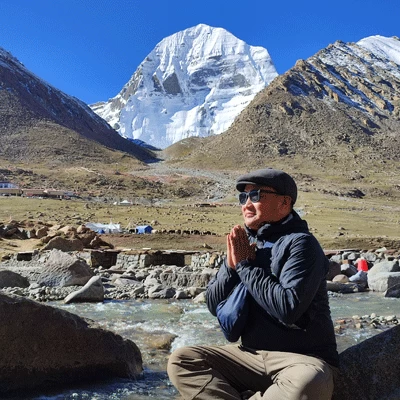
Tika Bahadur Rai (Trek & Tour Leader)
Call us on WhatsApp+977 9851031957OrChat with us