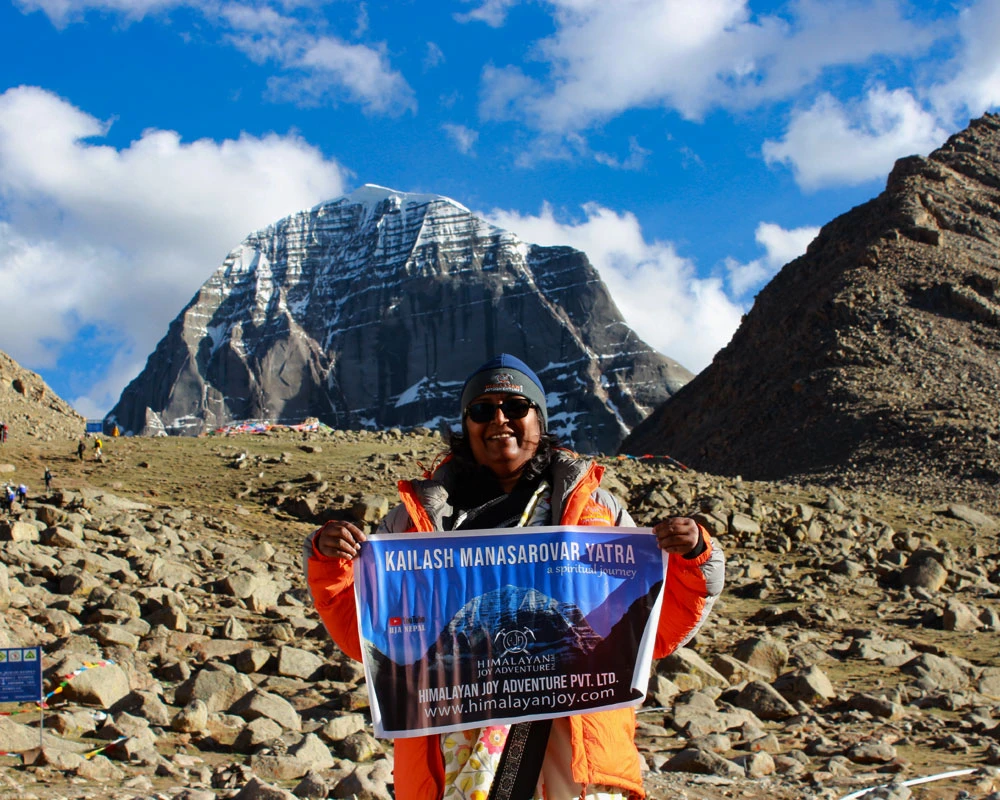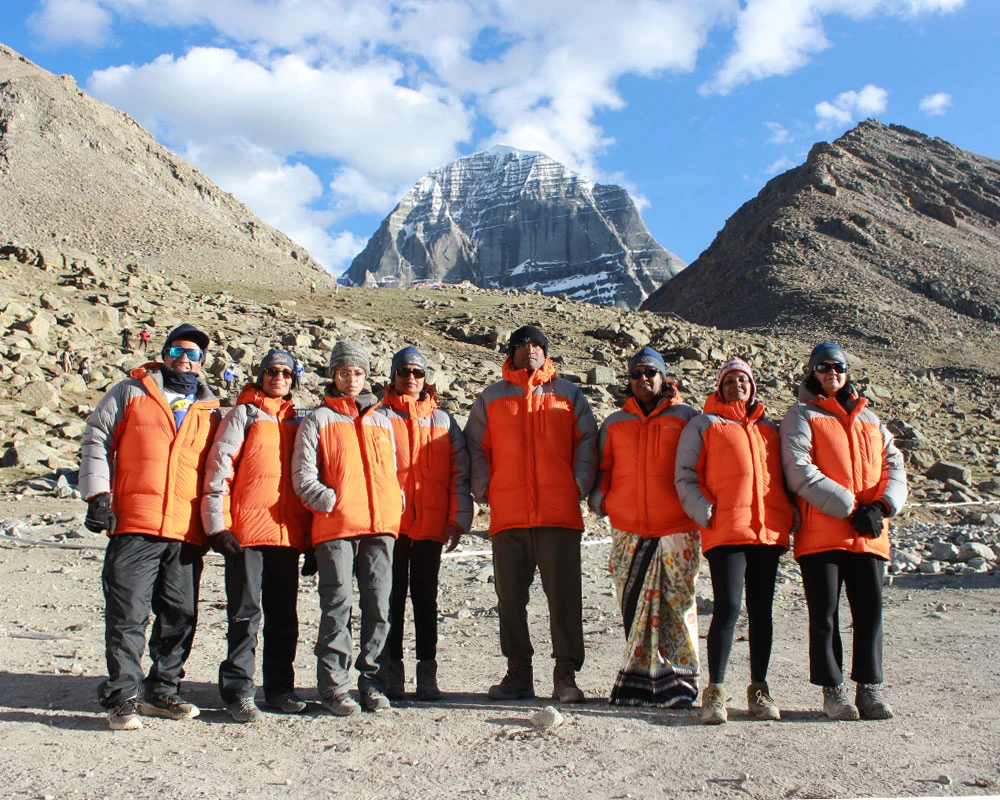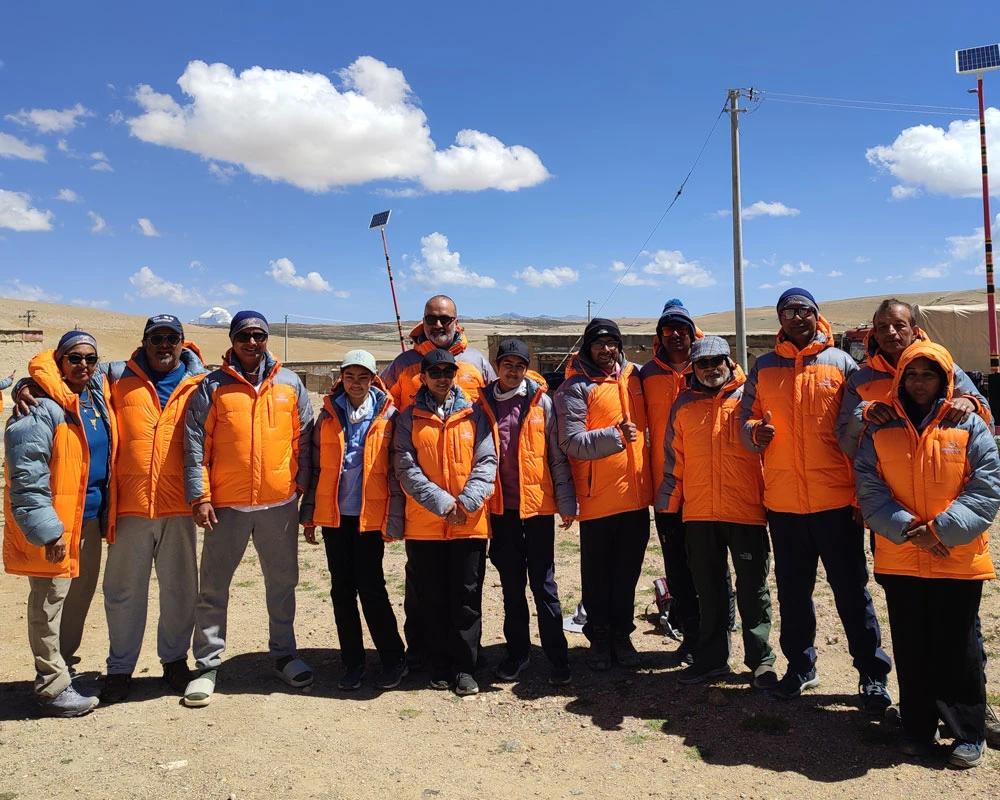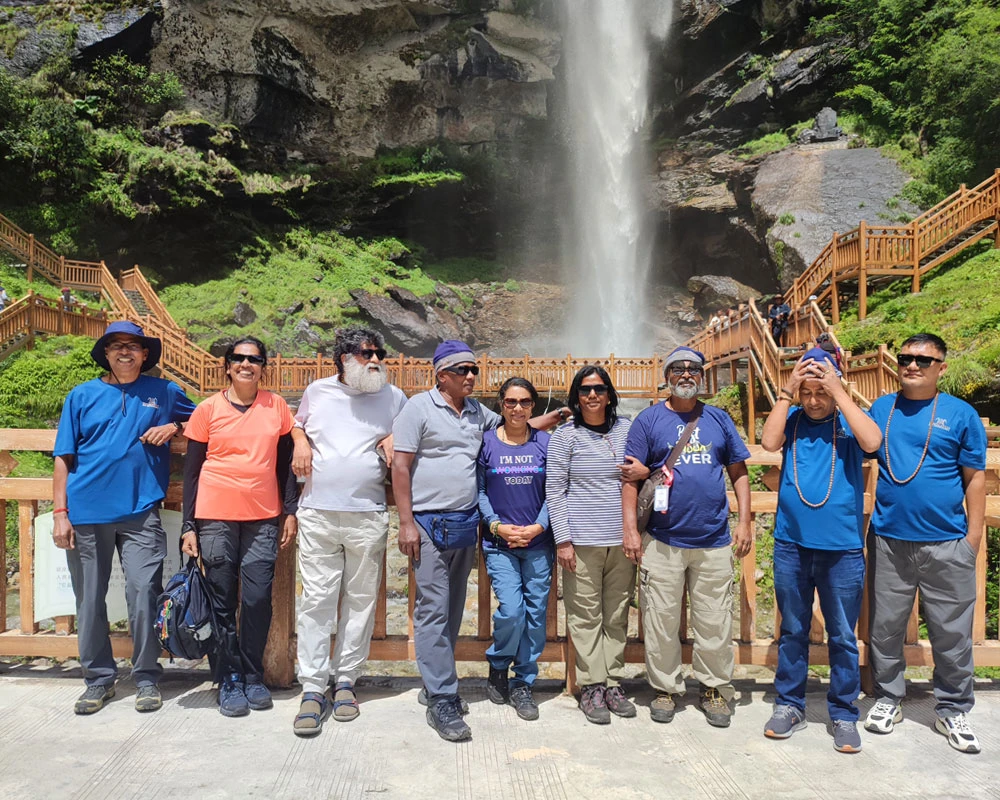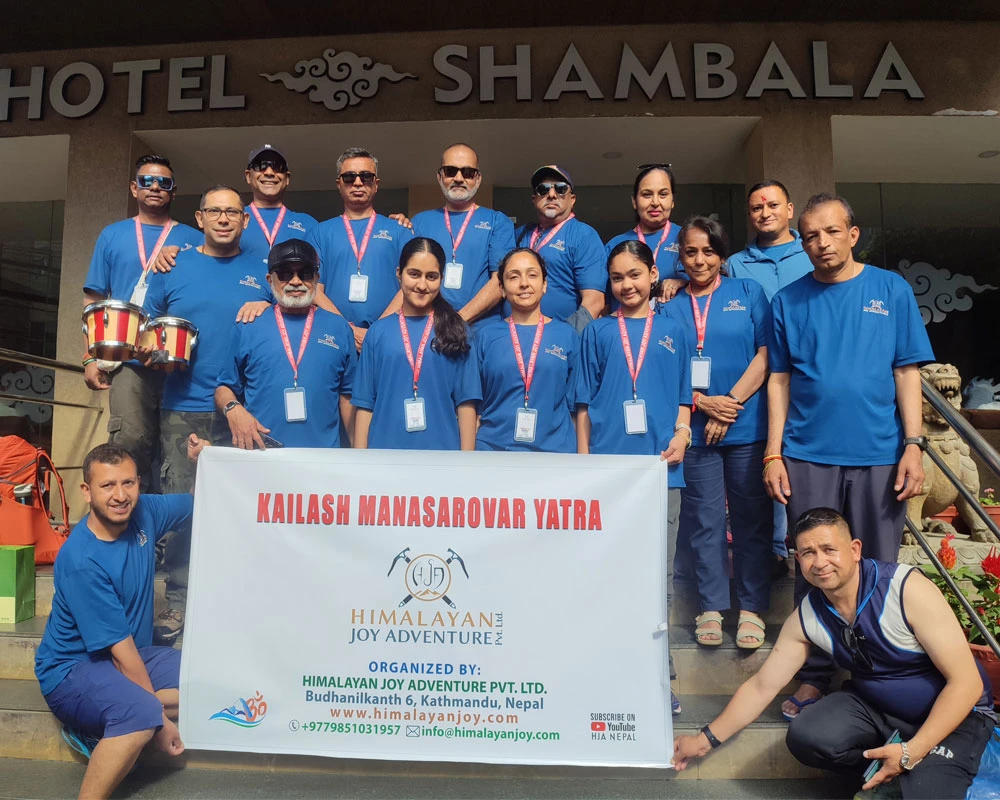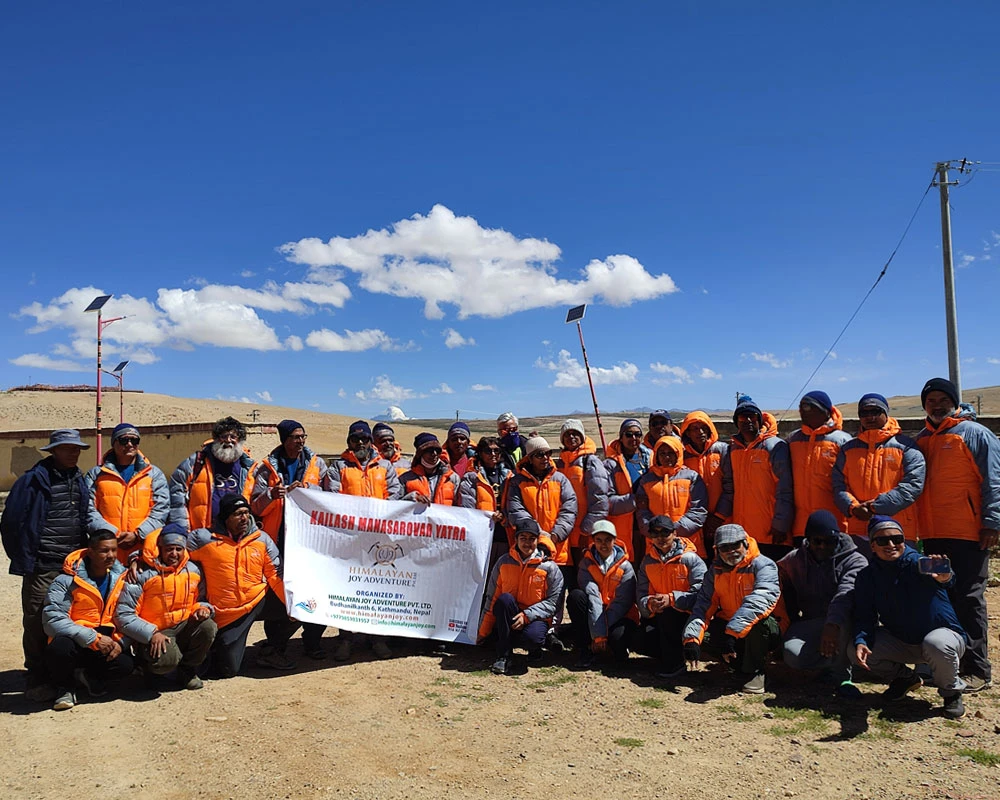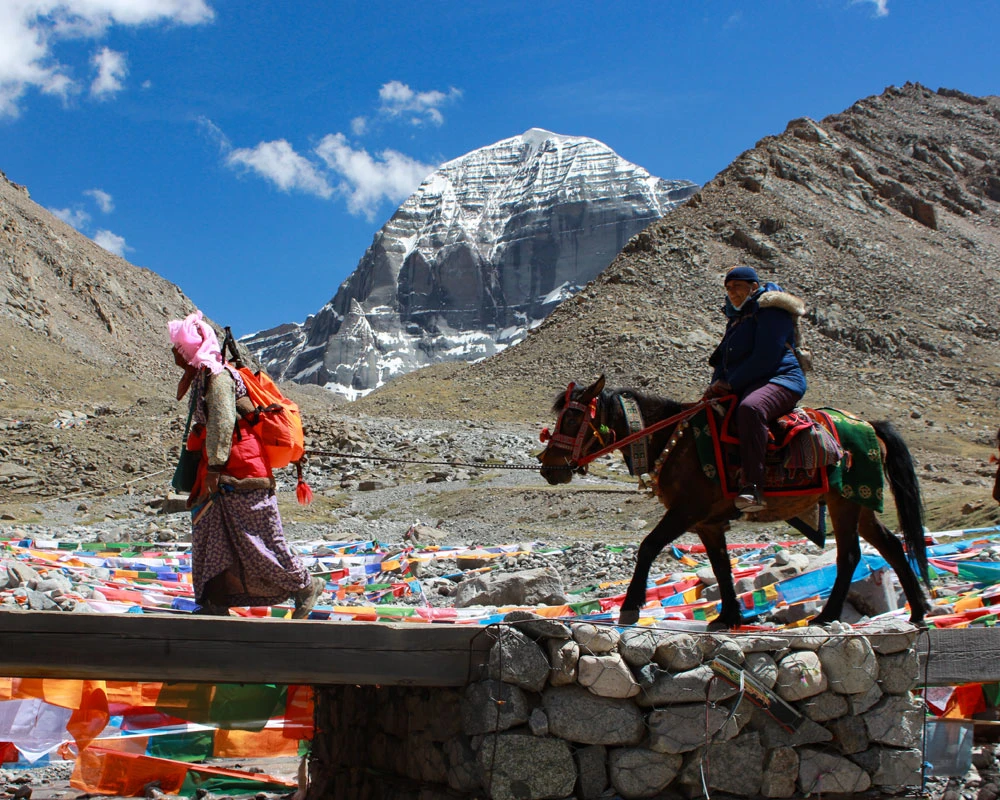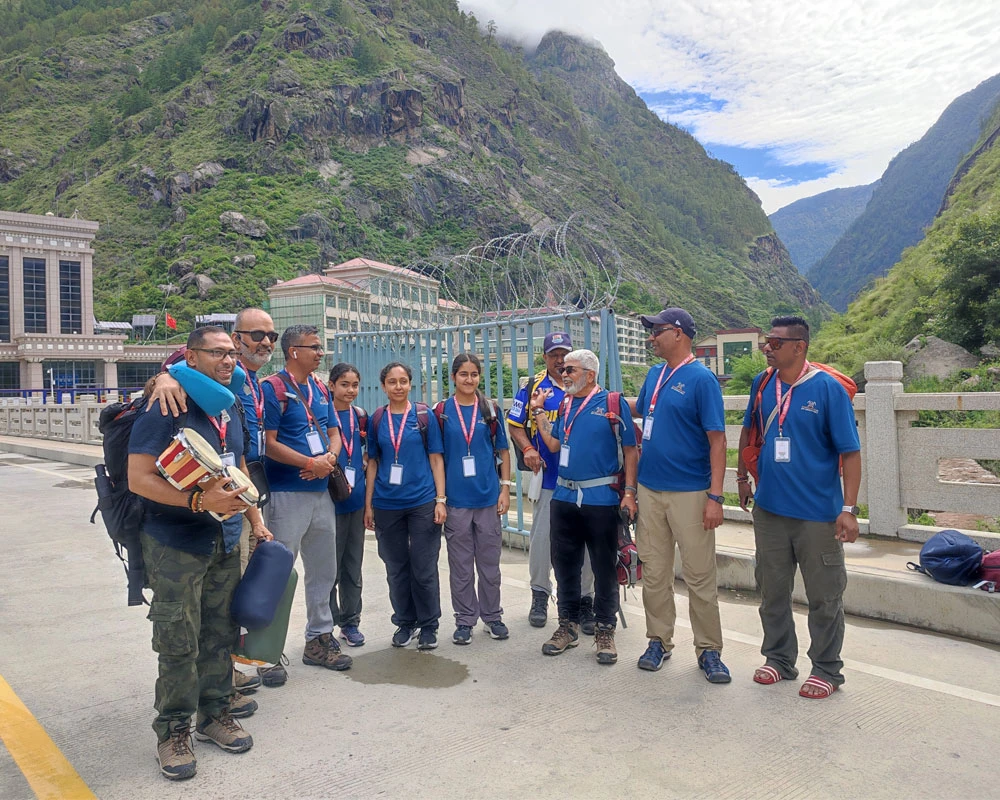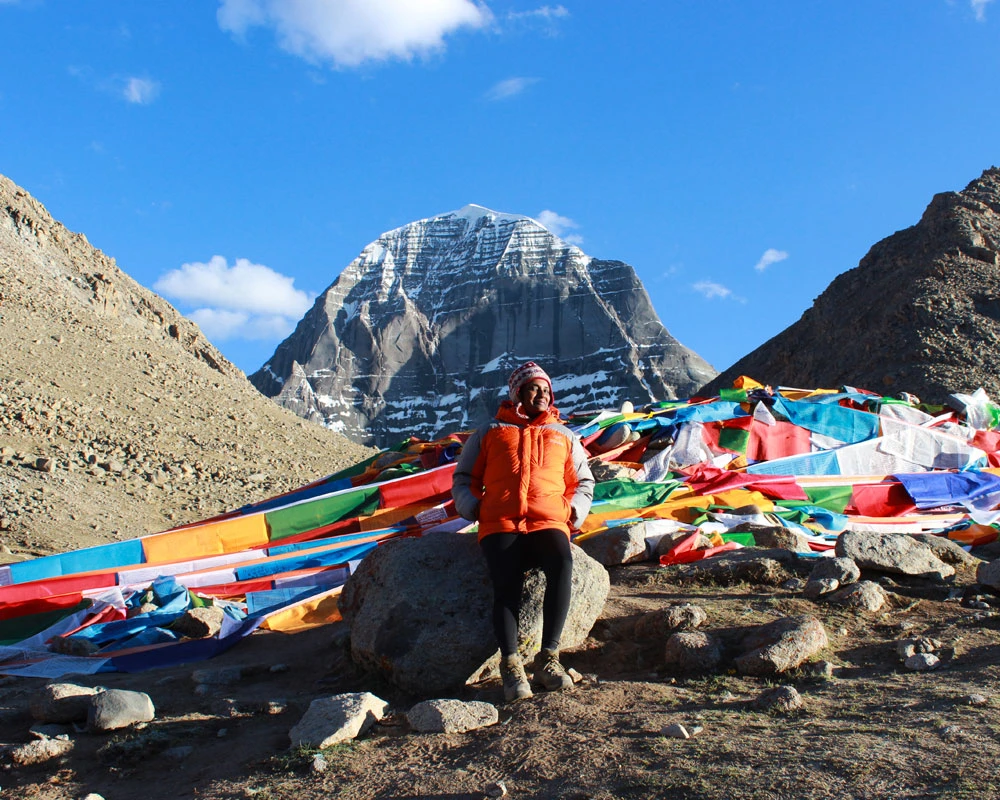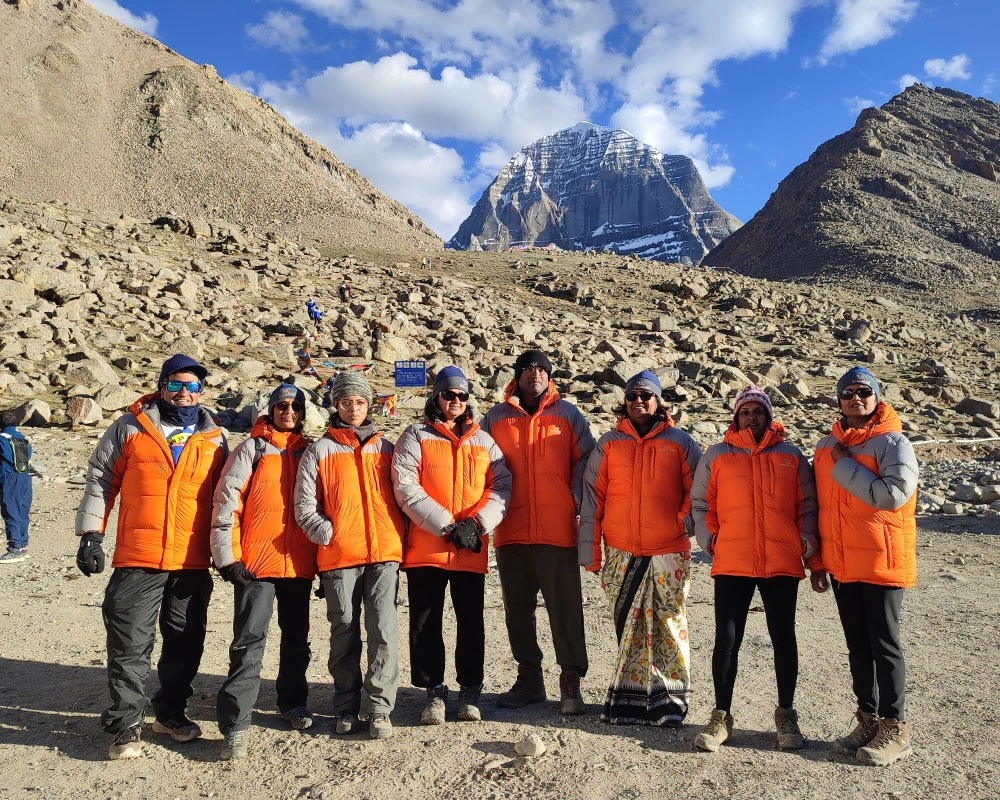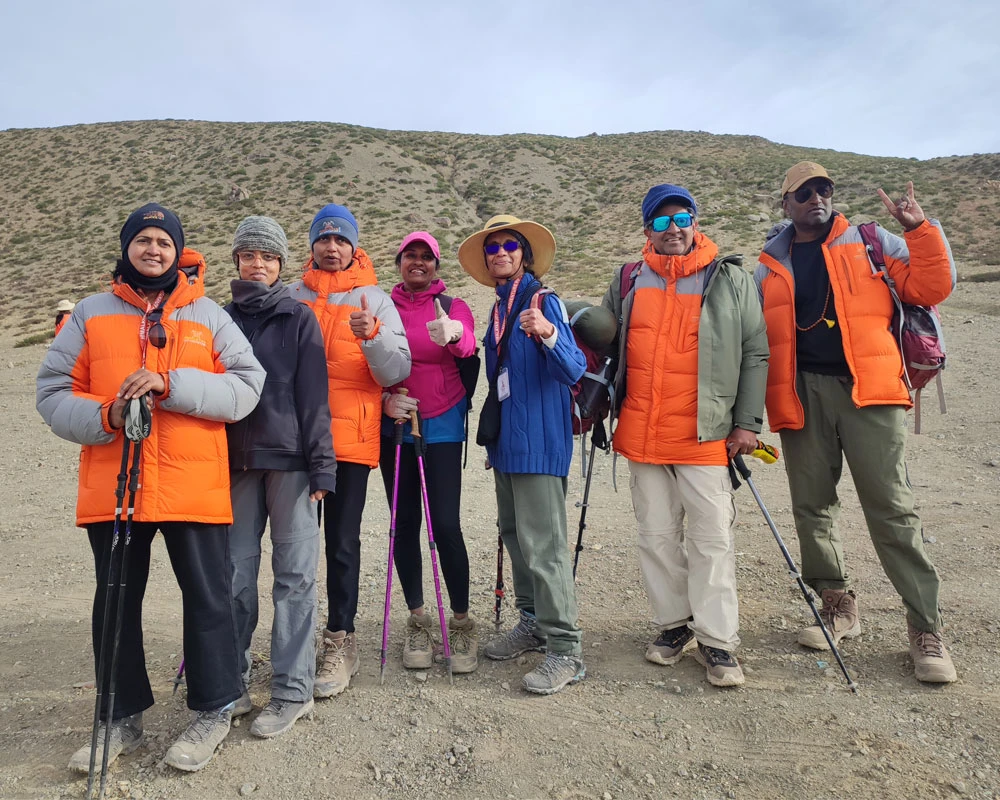

The Kailash Mansarovar Yatra 2027 via Nepal is a fully organized overland pilgrimage from Kathmandu to Mount Kailash and Lake Mansarovar. It is suitable for Non-Resident Indians (NRIs) and international travelers seeking a structured and well-supported route. The journey includes assistance with Tibet permits, fixed group departures, planned acclimatization stops, and the three-day Kailash Parikrama.
Tour Highlights
- 15-day overland pilgrimage from Kathmandu to Mount Kailash and Lake Mansarovar.
- Visit major Hindu and Buddhist spiritual sites in the Kathmandu Valley.
- Cross the Nepal–Tibet border and explore Kyirong.
- Travel through remote Tibetan villages and vast plateaus.
- Spend sacred time at Lake Mansarovar for prayers, puja, rituals, and quiet reflection.
- Complete the three-day Kailash Parikrama (Kora).
- Cross Dolma La Pass at 5,630 meters and visit Gauri Kund and Tarboche.
- Travel with full support for permits, transport, meals, accommodation, and guides.
Kailash Mansarovar Yatra 2027 via Nepal (Overview)
The Kailash Mansarovar Yatra 2027 via Nepal (also spelled Manasarovar Yatra) offers a practical overland route to Mount Kailash and Lake Mansarovar. It is especially suitable for NRIs and international travelers seeking a structured and well-supported journey through Nepal and Tibet.
The journey begins in Kathmandu with sightseeing, group preparation, and permit arrangements. From Kathmandu, you travel overland to the Nepal–Tibet border and enter Tibet through Kerung (Gyirong). The route then continues across the Tibetan Plateau through places such as Saga and Paryang, allowing time for gradual acclimatization as the altitude increases.
At Lake Mansarovar, situated at around 4,590 meters, pilgrims have time for prayers, rituals, puja, and quiet reflection beside the lake. The journey then continues to Darchen, the starting point for the Kailash Parikrama.
The three-day Kailash Parikrama, also known as the Kora, is the most important part of the yatra. Starting from Yama Dwar, the route passes through Dirapuk and Zutulpuk and crosses Dolma La Pass at around 5,630 meters. This is the most physically demanding section of the journey but also one of the most spiritually meaningful.
After completing the Parikrama, the group returns through Saga and Kerung before traveling back to Kathmandu. The itinerary combines spiritual experiences, gradual acclimatization, and organized travel support throughout the journey.
What to Expect from the 15-Day Kailash Mansarovar Yatra 2027?
Our 15-day itinerary follows a steady pace, with time to rest, acclimatize, and experience the spiritual importance of the journey. Here is what you can expect along the way:
1) Spiritual Start in Kathmandu
The Yatra begins with visits to Pashupatinath Temple, Boudhanath Stupa, and Swayambhunath, setting a sacred tone for the days ahead. These moments of prayer and blessing help you prepare mentally for the high-altitude journey to Tibet.
2) Overland Drive to Tibet
Traveling by road lets you witness the transition from the green hills of Nepal to the vast, dry landscapes of Tibet. The drive crosses valleys, rivers, and high mountain passes, with stops carefully planned for comfort and acclimatization.
For those who prefer to fly directly into Tibet and begin their journey from Lhasa, check our "Kailash Mansarovar Yatra via Lhasa" package.
3) Sacred Lake Mansarovar
Reaching Lake Mansarovar at around 4,590 meters is one of the most meaningful moments of the journey. You will have time for puja, prayers, meditation, and quiet reflection beside the lake.
Many pilgrims also take a holy bath or collect sacred water from Mansarovar according to their personal beliefs and traditions.
4) The Kailash Parikrama (Kora)
The three-day Kailash Parikrama is the highlight of the Yatra—a journey of devotion and endurance around Mount Kailash. It includes the crossing of Dolma La Pass (5,630 m), the toughest yet most rewarding part of the journey.
For a closer look at the difficulty, read our detailed blog: "How Difficult is Kailash Parikrama (Kora)? Everything You Need to Know".
5) Simple Stays and Meals
Accommodation during the Yatra is basic but suitable for the remote environment. Pilgrims stay in guesthouses and lodges, with warm meals provided along the journey.
The facilities may be simpler than those available in Kathmandu, particularly near Lake Mansarovar and during the Parikrama.
6) Faith and Inner Strength
The Kailash Mansarovar Yatra is about more than reaching a destination. It is shaped by the people you meet, the prayers you share, and the quiet moments of reflection along the way.
The journey can bring a deeper sense of humility, patience, faith, and inner peace.
Best Time to Visit Kailash Mansarovar (When Should You Go?)
The best time to plan the Kailash Mansarovar Yatra is generally between May and September. During these months, weather and road conditions in Tibet are usually more favorable for overland travel and the Kailash Parikrama.
Daytime conditions can be relatively mild, but the weather may change quickly at high altitude. Nights remain cold, particularly around Lake Mansarovar, Darchen, and the Parikrama route. Clear days may also provide excellent views of Mount Kailash and the surrounding Tibetan Plateau.
The main travel season includes important spiritual occasions such as Saga Dawa and several full-moon departures. These dates are popular among pilgrims and often fill earlier than regular departures.
Conditions become colder and less predictable from October onward, while winter snow and possible road restrictions can make travel difficult. For the best balance of weather, accessibility, and spiritual experience, plan your 2027 Yatra between May and September and reserve early if traveling during a special departure.
Preparing for the Yatra (Fitness, Health, and Acclimatization)
Dolma La Pass, at approximately 5,630 meters, is the highest and most physically demanding part of the Kailash Parikrama. The thin air, steep sections, and long walking hours make steady preparation important.
Regular walking, light hiking, stair climbing, yoga, or other moderate exercise can help improve stamina before the journey. You do not need to be an athlete, but you should be comfortable walking for several hours at a slow and steady pace.
Since much of the Yatra takes place above 4,000 meters, altitude is often a greater challenge than the walking distance. The itinerary includes planned stops in places such as Kyirong and Saga to help the body adjust gradually. Walking slowly, resting properly, and following the guide’s altitude instructions are important throughout the journey.
Travelers with high blood pressure, heart or lung conditions, chronic asthma, or other medical concerns should speak with a doctor before booking. Fitness alone does not prevent altitude illness, and existing heart or lung conditions may require additional medical advice.
Those traveling with older family members can also read our guide on the age limit for the Kailash Mansarovar Yatra.
Special Departures and Unique Experiences for 2027
Not every Kailash Mansarovar Yatra is the same. Pilgrims choose different times, routes, and occasions depending on their faith, travel needs, or spiritual goals. Here are some special ways to experience this yatra:
Full Moon Yatra at Lake Mansarovar
Experiencing a full moon at Lake Mansarovar can be one of the most memorable moments of the Yatra. Moonlight reflecting across the lake creates a peaceful setting for prayers, meditation, and quiet reflection.
Many pilgrims attach special spiritual importance to praying beside Mansarovar during a full moon. Any bathing, water collection, puja, or other rituals must follow the local regulations and instructions provided by the guide during the journey.
Saga Dawa Festival 2027
Saga Dawa is the most sacred month in the Tibetan Buddhist calendar, commemorating the birth, enlightenment, and passing into Parinirvana of Lord Buddha.
The main Saga Dawa celebration in 2027 is expected to take place on June 18, 2027. Because the festival follows the Tibetan lunar calendar, its date changes each year.
During this period, pilgrims may experience a more active spiritual atmosphere around Mount Kailash, including prayers, gatherings, religious ceremonies, and activities near the Tarboche flagpole.
Kailash Mansarovar Yatra Cost 2027 (What You Should Know)
The estimated cost of our Kailash Mansarovar Yatra 2027 package ranges from USD 2,850 to USD 3,400 per person. The final price depends on the group size, permit and visa requirements, accommodation arrangements, transportation, and other operating costs.
The Yatra costs more than many regular Himalayan journeys because Mount Kailash and Lake Mansarovar are located in a remote and restricted region of Tibet. Travel requires advance documentation, authorized arrangements, cross-border transportation, and coordinated support from Nepali and Tibetan teams.
The package generally covers permit and visa processing, accommodation, meals, transportation, guides, and operational support during the journey. The exact inclusions and exclusions should be checked carefully before booking.
For a detailed explanation of the price and its main components, read our complete guide to the Kailash Mansarovar Yatra cost for 2026 and 2027.