A simple beginner’s guide to Kailash Mansarovar Yatra, covering what to expect, how to prepare, and key things first timers should know.
Kailash Mansarovar Yatra for First Timers (Beginner’s Guide)
Table of Contents
Kailash Mansarovar Yatra is something many people think about for years before actually doing it. It feels big, a bit unknown, and honestly a little intimidating at first.
Questions like Can I really do this?, Is it too difficult?, and What is it actually like? are very common before the trip begins.
The good thing is, you don’t need to overcomplicate it.
This guide is written to give you a clear andsimple idea of what to expect, so you can understand the journey before you decide to go.
What is Kailash Mansarovar Yatra
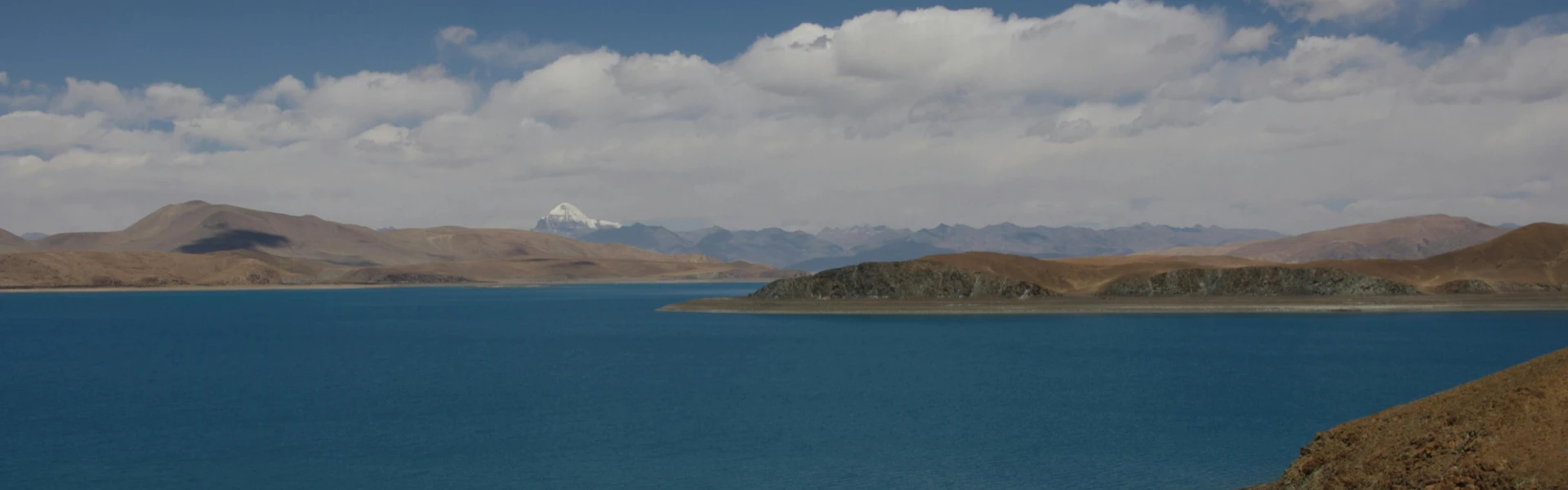
Kailash Mansarovar Yatra is a journey to Mount Kailash and Lake Mansarovar, located in the Tibetan region.
Mount Kailash is considered sacred in multiple religions, and many people visit for spiritual reasons. Some come with deep beliefs, while others are simply drawn by the place and the experience.
The yatra usually includes a visit to Mansarovar Lake and the Kailash Kora (three day walk) around Mount Kailash.
It is not a climbing expedition, and it does not require technical mountaineering skills. But it does require basic fitness, patience, and the ability to adjust to simple conditions.
Can First Timers Do This Yatra
Yes, first timers can do this yatra. You don’t need prior trekking experience, but you should be physically active and willing to prepare a bit before the trip.
The main challenge is not the trail itself, but the altitude. The air gets thinner, and your body takes time to adjust. That is why the journey is planned slowly, with proper rest and acclimatization.
Many people who do this journey are not regular trekkers. They complete it because they stay patient, listen to their guide, and take the journey one step at a time.
What Your Journey Will Look Like
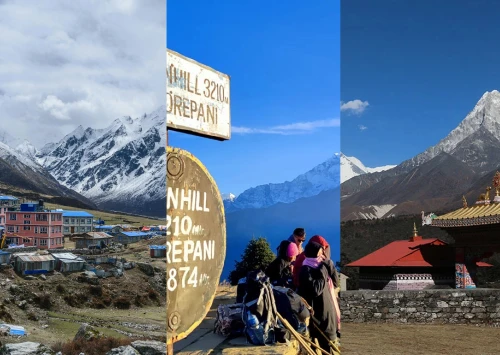
The journey usually begins from Nepal and then continues into the Tibet region.
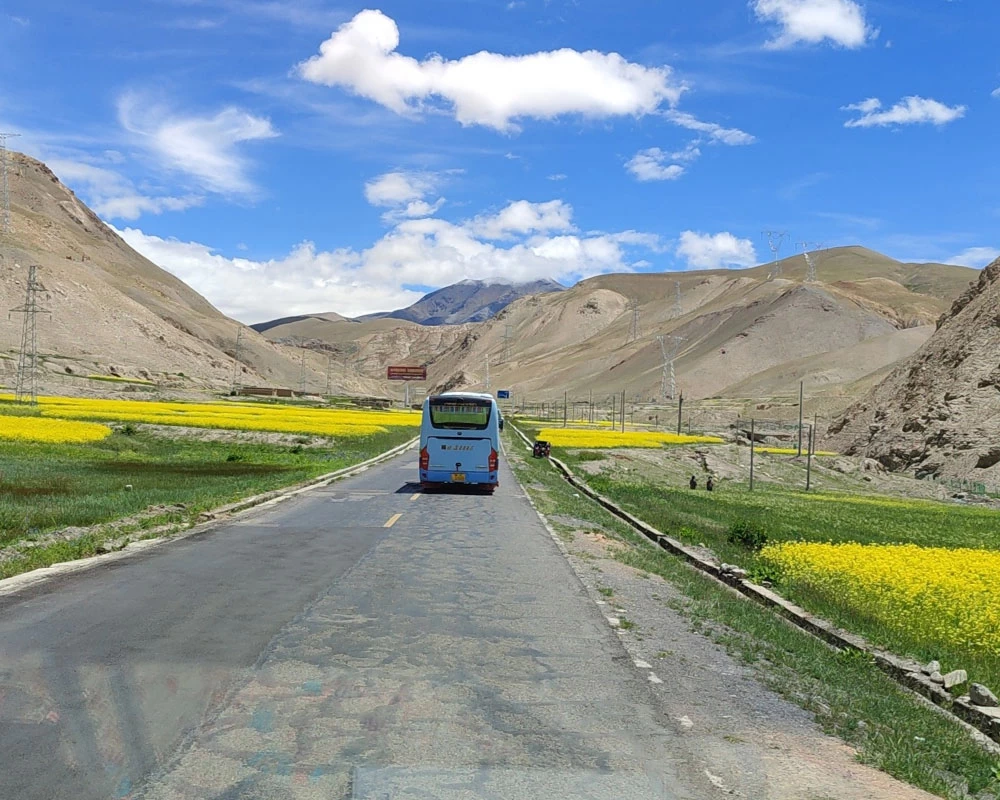
In the early part of the trip, much of the travel is by road. As you go further, the surroundings begin to change. Towns become smaller, the landscape feels more open, and the environment gradually becomes quieter and more remote.
After reaching Mansarovar, you usually get time to visit the lake. For many people, this becomes one of the most memorable parts of the entire journey because of how calm and peaceful the place feels.
The main part of the yatra is the Kailash Kora. This is a three day walk around Mount Kailash. It is the most physically demanding part of the trip, but also the part many people remember the most.
Once the Kora is completed, the return journey follows.
Overall, the yatra is a combination of long travel days, short stays, and a few important days of walking. It is not a rushed trip. The journey moves gradually, which is important for both comfort and adjustment.
To understand how long the full journey usually takes, you can check Kailash Mansarovar Yatra Duration: How Many Days Does It Take?.
What Makes It Physically Challenging
The biggest challenge of this yatra is altitude.
There is also one specific section during the walk that people often find the most demanding, especially because of the altitude and the effort required to cross it.
As you go higher, there is less oxygen in the air. Because of that, even normal movement can start to feel heavier than usual. You may get tired faster, feel short of breath sooner, or notice that your energy drops more quickly than expected.
This is what makes the journey physically demanding. It is not mainly about difficult terrain or technical walking. It is more about how your body responds to the environment.
You may also notice that recovery feels slower at high altitude. Even after resting, you may not feel completely refreshed the next day in the way you normally would at lower elevations.
This is why people often find the yatra harder than they imagined, even though the trail itself is not especially complex. The challenge comes from the altitude and how patiently you move through it.
What You Might Not Expect Mentally
One thing many first timers do not expect is how quietandslow the journey feels.
There are long stretches where there is very little distraction. No busy routine, no constant city noise, and often limited internet. For some people, that feels peaceful right away. For others, it takes time to adjust.
The days can also start to feel simple in a very repetitive way. You move, rest, eat, and sleep. Then the next day follows a similar pattern. For people who are used to fast movement and constant stimulation, this can feel mentally strange at first.
There can also be moments of doubt. That is normal. Being away from your usual comfort, routine, and environment can make you question yourself more than expected.
At the same time, this quietness is also what gives the journey its depth. Many people later realize that the mental stillness became one of the most meaningful parts of the entire experience.
How to Prepare Without Overthinking
Preparation for Kailash Mansarovar Yatra does not need to be complicated.
The most useful thing you can do is stay physically active before the trip. Regular walking helps the most. Using stairs, staying mobile, and building comfort with a few hours of movement at a time can make a real difference.
It also helps to prepare mentally. This journey is not about comfort or luxury. The conditions are basic, and accepting that early helps you handle the trip much better.
Packing should also stay simple. Carry what is necessary, but avoid taking too much. A lighter bag makes the journey easier and keeps things less stressful.
On the practical side, make sure your documents are ready in advance. Since this trip involves entry into Tibet, permits and identification are an important part of the preparation.
In the end, the goal is not to prepare perfectly. It is to prepare enough that you can arrive with more confidence and less confusion.
Common Mistakes First Timers Make
One common mistake is assuming the journey will feel easy just because it is not technical.
Another mistake is packing too much. Many first timers try to prepare for every possible situation, but extra weight usually becomes more of a burden than a benefit.
Some people also expect the trip to feel more comfortable than it actually is. In reality, the facilities are basic, and the experience is much simpler than a normal holiday.
Another mistake is trying to do too much too quickly. This journey rewards patience. Rushing, comparing yourself with others, or trying to prove too much can make the experience harder than it needs to be.
Many first timers also spend too much time worrying before the journey begins. Thinking ahead is useful, but overthinking every detail often creates more stress than necessary.
Small Tips That Make a Big Difference
Walk at a steady pace instead of trying to keep up with others. Going slow helps your body adjust better to the altitude.
Drink water regularly, even if you don’t feel very thirsty. Staying hydrated makes a noticeable difference in how you feel.
Listen to your guide. They understand the route and the conditions, so following their advice helps avoid unnecessary problems.
Take proper rest whenever you get the chance. Recovery is just as important as walking during this journey.
Keep your mindset flexible. Not everything will go exactly as planned, and that’s part of the experience.
Focus on your own pace and experience rather than comparing yourself with others. Everyone adjusts differently.
Best Time for Kailash Mansarovar Yatra
The best time for Kailash Mansarovar Yatra is usually between May and September.

During these months, the weather is generally more stable, and the route is more accessible. That makes the overall journey smoother, especially for first timers.
Outside this period, conditions can become harsher and less predictable. For beginners, it usually makes more sense to choose a time when the journey is easier to manage.
Final Thoughts for First Timers
Kailash Mansarovar Yatra may feel intimidating at first, but it is often more manageable than people imagine once they understand what the journey is really like.
You do not need to be an expert trekker to do it. What matters more is a steady approach, basic preparation, and the willingness to move through the journey patiently.
There will be difficult moments, but there will also be moments of calm, silence, and meaning that stay with you long after the trip ends.
For first timers, the best approach is to keep things clear and simple. Understand the journey, prepare well enough, and go with the mindset of experiencing it one step at a time.
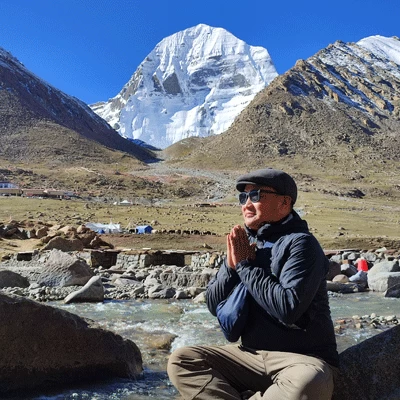
Tika Bahadur Rai (Trek & Tour Leader)
Call us on WhatsApp+977 9851031957OrChat with us