Dolma La Pass is often considered the hardest part of the Kailash Mansarovar Yatra. This guide explains why it feels so challenging, covering altitude, terrain, weather, and mental endurance in a clear and realistic way.
Why Is Dolma La Pass Considered the Hardest Part of Kailash Yatra?
Table of Contents
For many pilgrims, the Kailash Yatra is not just a journey across remote land, but a deeply personal and spiritual experience. While every part of the yatra is physically demanding due to altitude and terrain, one section stands out as the most challenging for most people: the crossing of Dolma La Pass.
Dolma La Pass is often described as the hardest part of the Kailash Yatra, not because it requires technical climbing, but because it tests the body, breathing, and mental strength all at once. The combination of high altitude, long walking hours, cold weather, and limited oxygen makes this day especially demanding.
Understanding why Dolma La Pass is considered so difficult helps pilgrims prepare better, both physically and mentally, and approach this part of the yatra with realistic expectations rather than fear.
Quick Answer: Why Dolma La Pass Is the Most Challenging Part of Kailash Yatra
Dolma La Pass is considered the hardest part of the Kailash Yatra because it combines very high altitude, steep ascent and descent, long walking hours, and harsh weather conditions in a single day.
At over 5,600 meters, oxygen levels are low, making breathing difficult even for fit pilgrims. The climb to the pass is slow and tiring, and the descent afterward is long and physically demanding. Cold temperatures, strong winds, and unpredictable weather further increase the challenge.
For most pilgrims, this day tests not just physical strength, but also mental endurance, which is why Dolma La Pass stands out as the toughest section of the yatra.
Where Is Dolma La Pass on the Kailash Yatra Route?
Dolma La Pass lies on the third day of the outer kora (parikrama) around Mount Kailash. This is the day when pilgrims walk from Dirapuk Monastery to Zutulpuk Monastery, crossing the highest point of the entire yatra.
The pass itself sits between two long walking sections. Pilgrims first climb steadily from Dirapuk toward Dolma La, reach the pass, and then descend for several hours before finally arriving at Zutulpuk. There are no alternative routes on this day, which means every pilgrim must cross the pass to complete the kora.
Because Dolma La Pass comes after two days of walking at high altitude, many pilgrims reach it already tired. This positioning on the route is one of the reasons why the crossing feels especially demanding.
Altitude of Dolma La Pass and Why It Matters
Dolma La Pass sits at an altitude of around 5,630 meters, making it the highest point of the entire Kailash Yatra. At this height, the amount of available oxygen is significantly lower than at sea level, which affects almost everyone, regardless of fitness level.
At such altitude, simple actions like walking uphill or even breathing deeply require more effort. Many pilgrims notice slower movement, heavier breathing, and quicker fatigue as they approach the pass. This is not a sign of weakness, but a natural response of the body to thin air.
What makes the altitude especially challenging is that pilgrims cross Dolma La in a single day, without staying overnight at that height. The body has limited time to adjust, so the climb often feels harder than expected, even for those who have been feeling fine on earlier days.
Because of this, altitude plays a major role in why Dolma La Pass feels more difficult than other sections of the yatra, setting the stage for the physical and mental challenges that follow.
Physical Challenges at Dolma La Pass
The difficulty of Dolma La Pass is not only about altitude. The physical nature of the trail itself adds to the challenge, especially on the day of the crossing.
Steep Ascent Before the Pass
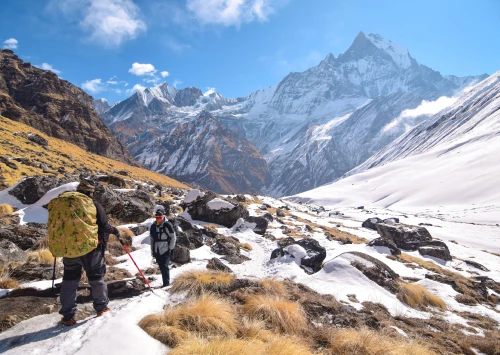
The climb toward Dolma La Pass begins early in the morning and is slow and steady. The path is steep, uneven, and often covered with loose stones or snow, depending on the season. At high altitude, even small steps feel tiring, and many pilgrims need to stop frequently to catch their breath.
Long Descent After the Pass
After reaching the pass, the challenge is not over. The descent toward Zutulpuk is long and demanding, placing strain on the knees and legs. Fatigue from the climb makes this section feel harder than expected, especially for older pilgrims or those with knee issues.
Uneven and Rocky Terrain
The trail around Dolma La is not smooth. Rocky ground, icy patches, and narrow paths require careful footing. This forces pilgrims to walk slowly and stay focused, adding to both physical and mental exhaustion.
Together, these physical factors make Dolma La Pass the most demanding walking day of the Kailash Yatra.
Oxygen Level and Breathing Difficulty at High Altitude
As pilgrims approach Dolma La Pass, many notice that breathing becomes noticeably harder. This happens because oxygen levels are much lower at high altitude, and the body has to work harder to supply enough oxygen to the muscles.
Walking uphill in thin air often leads to shortness of breath, even at a slow pace. Pilgrims may feel the need to stop frequently, take deep breaths, and move steadily rather than quickly. This slower rhythm is normal and helps the body cope with reduced oxygen.
What makes this especially challenging is that breathing difficulty comes on top of physical fatigue. Even simple movements feel heavier, and maintaining focus becomes more difficult. Staying calm, pacing oneself, and avoiding rushing are important on this section of the yatra.
For many pilgrims, managing breathing rather than leg strength becomes the main challenge during the final stretch to Dolma La Pass.
Weather Conditions at Dolma La Pass
Weather plays a major role in why Dolma La Pass feels so demanding. Conditions at this altitude can change quickly, often without much warning, even during the main yatra season.
Temperatures near the pass are usually cold, especially in the early morning when pilgrims begin the climb. Wind makes the cold feel sharper, and standing still for too long can quickly drain energy. Many pilgrims feel the cold most strongly near the top of the pass.
Strong winds are common around Dolma La. They slow movement, make breathing feel heavier, and add to overall discomfort. On some days, the wind alone makes the crossing feel more difficult than expected.
Another challenge is unpredictability. Clear weather can suddenly turn cloudy, snowy, or foggy. Because of this, pilgrims are advised to cross the pass steadily and not delay unnecessarily.
The combination of cold, wind, and sudden weather changes adds mental pressure on top of physical fatigue, making this day feel tougher than the rest of the Kailash Yatra.
Mental and Emotional Challenges During the Dolma La Crossing
Beyond the physical strain, Dolma La Pass also tests pilgrims mentally and emotionally. Fatigue, cold, thin air, and long walking hours combine to make this day feel overwhelming for some.
As the body slows down, patience is tested. Progress can feel very slow, and the climb may seem longer than expected. Some pilgrims experience moments of doubt, anxiety, or emotional heaviness, especially when they see others struggling around them.
At the same time, this section of the yatra often carries strong emotional meaning. Many pilgrims describe a mix of exhaustion and deep reflection while crossing the pass. Staying calm, focused, and accepting the pace of the body helps reduce mental stress during this part of the journey.
For those who approach Dolma La with steady expectations rather than pressure, the mental challenge becomes more manageable and often turns into a meaningful part of the yatra experience.
Timing and Distance on Dolma La Pass Day
The day of crossing Dolma La Pass is often the longest and most demanding day of the Kailash Yatra. Pilgrims usually start walking early in the morning, often before sunrise, to make the most of stable weather conditions.
The distance covered on this day is not extremely long compared to other trekking routes, but the combination of altitude, slow pace, and repeated stops makes it feel much longer. Walking hours are extended, and progress is gradual rather than steady.
Because of this, pilgrims may spend many hours on the trail before reaching their resting place at Zutulpuk. Managing energy, pacing breaks wisely, and staying patient throughout the day are essential to completing the crossing comfortably.
The length and timing of this day, combined with the physical and mental challenges already faced, are key reasons why Dolma La Pass stands out as the hardest part of the Kailash Yatra.
Health Risks Trekkers Face at Dolma La Pass
Most pilgrims complete the Dolma La Pass crossing safely, but the high altitude and long walking hours can increase certain health risks, especially if the body is pushed too hard.
One of the main concerns is altitude-related discomfort. Symptoms such as headaches, dizziness, nausea, or extreme fatigue can appear as oxygen levels drop. These signs are often mild but should not be ignored. Walking slowly, resting when needed, and staying hydrated help reduce these effects.
Fatigue and dehydration are also common challenges on this day. Cold weather can reduce thirst, causing pilgrims to drink less water than needed. Combined with long walking hours, this can lead to weakness and slower recovery.
The key to staying safe is awareness rather than fear. Listening to the body, avoiding rushing, and informing support staff if symptoms worsen allow most pilgrims to cross Dolma La Pass without serious issues.
Why Many Pilgrims Struggle on This Day
Many pilgrims find the Dolma La Pass crossing difficult not because of one single factor, but because several challenges come together on the same day.
By the time pilgrims reach this section, they have already been walking at high altitude for multiple days. Fatigue has built up, sleep may not have been perfect, and the body is still adjusting to thin air. When steep terrain, cold weather, and long walking hours are added, even small difficulties feel heavier.
Another reason people struggle is expectation. Some pilgrims underestimate how demanding the pass day can be and try to move faster than their body allows. This often leads to quicker exhaustion rather than progress.
Those who approach the day patiently, accept a slow pace, and focus on steady movement usually manage the crossing more comfortably. Understanding why this day is tough helps pilgrims face it with calm preparation rather than fear.
Is Dolma La Pass Dangerous or Just Difficult?
Dolma La Pass is often described as dangerous, but for most pilgrims, it is more accurate to call it difficult rather than dangerous. The trail does not involve technical climbing, exposed edges, or risky maneuvers. The challenge comes from altitude, fatigue, weather, and long walking hours rather than from the terrain itself.
When pilgrims struggle on this day, it is usually due to moving too fast, ignoring early signs of exhaustion, or not being adequately prepared for high altitude. With proper pacing, warm clothing, hydration, and guidance, most people cross the pass safely.
The yatra authorities, local guides, and support teams are experienced in managing this section of the route. Pilgrims are closely observed, and those who need extra assistance are usually helped early.
Understanding Dolma La Pass as a test of endurance rather than a dangerous obstacle helps reduce unnecessary fear and allows pilgrims to approach the crossing with calm focus and respect for their limits.
How to Prepare for Dolma La Pass
Preparing for Dolma La Pass is less about extreme fitness and more about steady readiness. Pilgrims who prepare thoughtfully often find the crossing manageable, even if it feels demanding.
Physical Preparation
Gentle endurance matters more than speed. Regular walking, light cardio, and getting used to walking for several hours a day help the body adapt to long movement. Strengthening legs and improving basic stamina make the ascent and descent less tiring.
Mental Preparation
Mental readiness is just as important. Understanding that progress will be slow helps reduce frustration on the day. Accepting pauses, focusing on steady breathing, and avoiding comparison with others allows pilgrims to stay calm and conserve energy.
What to Carry on Dolma La Day
Carrying the right essentials makes a noticeable difference. Warm layers, gloves, wind protection, enough water, and light snacks help maintain comfort and energy. Keeping the backpack light also reduces strain during the climb and long descent.
Pilgrims who prepare with patience and realistic expectations often experience Dolma La Pass not as a barrier, but as a challenging and meaningful part of the Kailash Yatra.
Can Beginners Cross Dolma La Pass?
Yes, many beginners successfully cross Dolma La Pass every year. The challenge of this section does not come from technical difficulty, but from altitude, endurance, and how well pilgrims manage their pace and energy.
Beginners who prepare properly, walk steadily, and follow guidance from support staff often do just as well as experienced trekkers. Moving slowly, taking regular breaks, staying hydrated, and listening to the body are far more important than speed or strength.
However, beginners should approach Dolma La Pass with realistic expectations. It is a demanding day, and feeling tired or breathless is normal. Those who accept this and focus on steady progress usually manage the crossing without major difficulty.
With preparation, patience, and the right mindset, Dolma La Pass is challenging but achievable, even for first-time pilgrims.
Final Thoughts: Why Dolma La Pass Is the True Test of Kailash Yatra
Dolma La Pass is considered the hardest part of the Kailash Yatra not because it is dangerous or technical, but because it brings together every challenge of the journey into a single day. High altitude, physical fatigue, cold weather, long walking hours, and mental endurance all meet at this point.
For many pilgrims, crossing Dolma La Pass becomes a moment of deep self-awareness. The pace slows, the body demands patience, and the mind learns to stay present. Those who accept the difficulty rather than resist it often describe this day as one of the most meaningful parts of the yatra.
With proper preparation, realistic expectations, and steady effort, Dolma La Pass is not something to fear. Instead, it stands as a reminder that the Kailash Yatra is as much about inner strength and balance as it is about physical movement through the mountains.
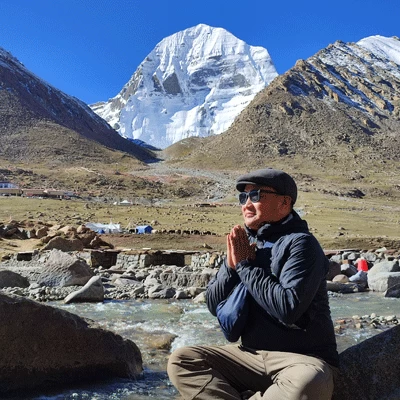
Tika Bahadur Rai (Trek & Tour Leader)
Call us on WhatsApp+977 9851031957OrChat with us