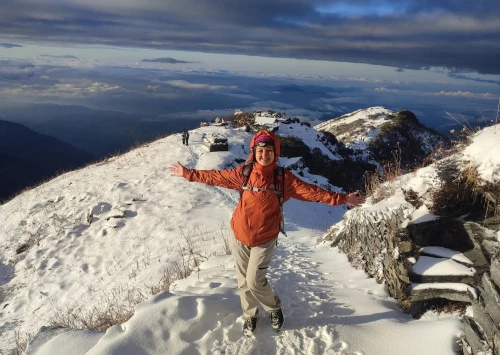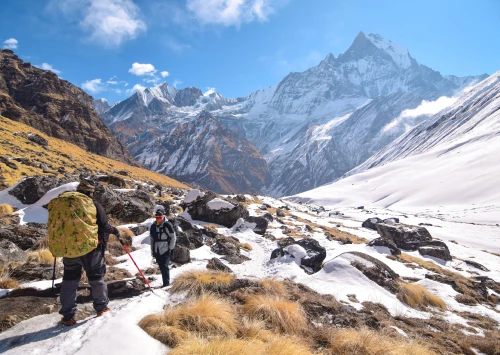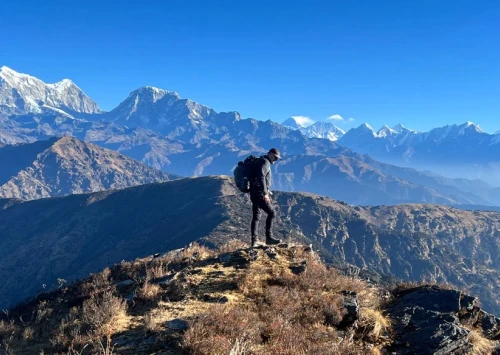
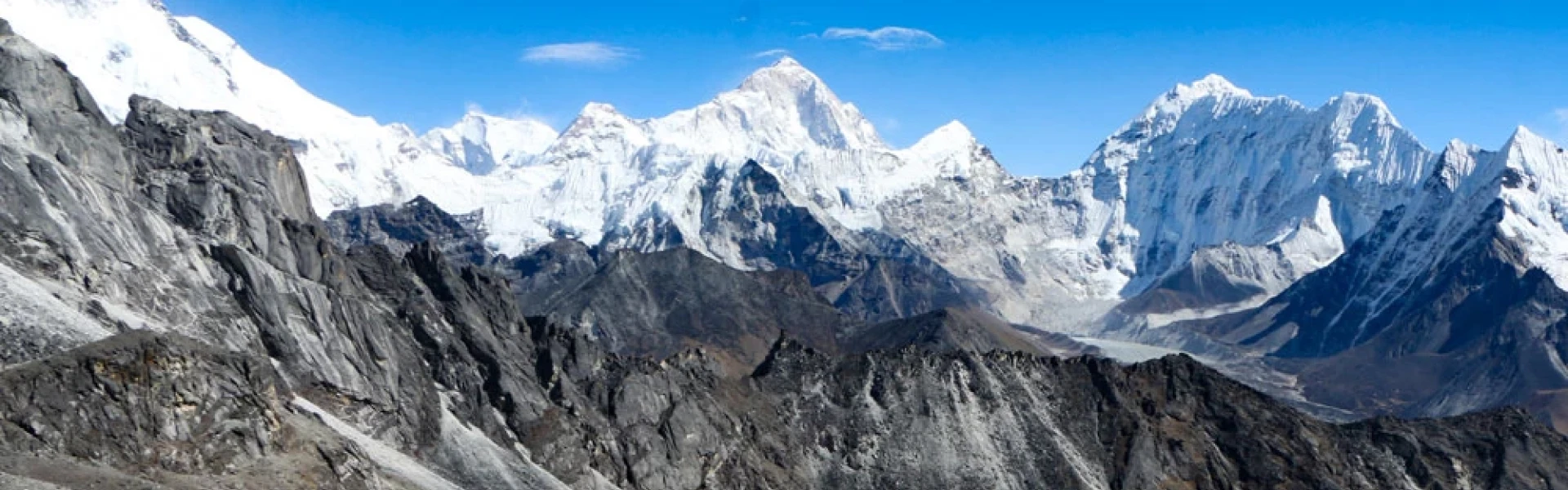
Treks in Nepal vary greatly in difficulty, from short beginner-friendly routes to demanding high-altitude adventures. This guide breaks down easy, moderate, and challenging treks to help you understand what to expect and choose the right route for your experience level.
How Difficult Are Treks in Nepal? A Complete Beginner to Advanced Guide
Table of Contents
Nepal is one of the most famous trekking destinations in the world. From short village trails to high mountain passes above 5,000 meters, the country offers trekking routes for every level of adventurer.
But how difficult are treks in Nepal really? Let’s take a closer look.
What Makes Trekking in Nepal Difficult?
When people ask how difficult trekking in Nepal is, the answer usually comes down to a few key factors. It’s not just the distance of the trek. In the Himalayas, things like altitude, terrain, and daily walking hours play a much bigger role.
The biggest factor is altitude. Many trekking routes in Nepal go above 3,000–4,000 meters, where the air becomes thinner. As you climb higher, your body gets less oxygen, which makes walking feel slower and more tiring than usual.
Another factor is the daily walking duration. Most treks involve walking around 5–7 hours a day on mountain trails. The path may include stone steps, forest trails, steep climbs, and long descents. Even if the distance looks short on a map, the terrain can make it physically demanding.
The trail conditions also matter. Some routes are well-developed with clear paths and tea houses along the way, while others are more remote and rugged. In places like high mountain passes or remote valleys, the trails can feel more challenging.
Finally, weather and mountain conditions can affect the difficulty. Temperatures drop quickly as you gain altitude, and weather can change fast in the Himalayas. Wind, cold mornings, and occasional snowfall can make certain sections tougher.
Easy Treks in Nepal (Beginners)
Not all treks in Nepal are difficult. In fact, many routes are very suitable for beginners who want to experience the Himalayas without dealing with extreme altitude or long trekking days. These treks usually stay below around 3,500 meters, have comfortable tea house accommodation, and involve moderate daily walking.
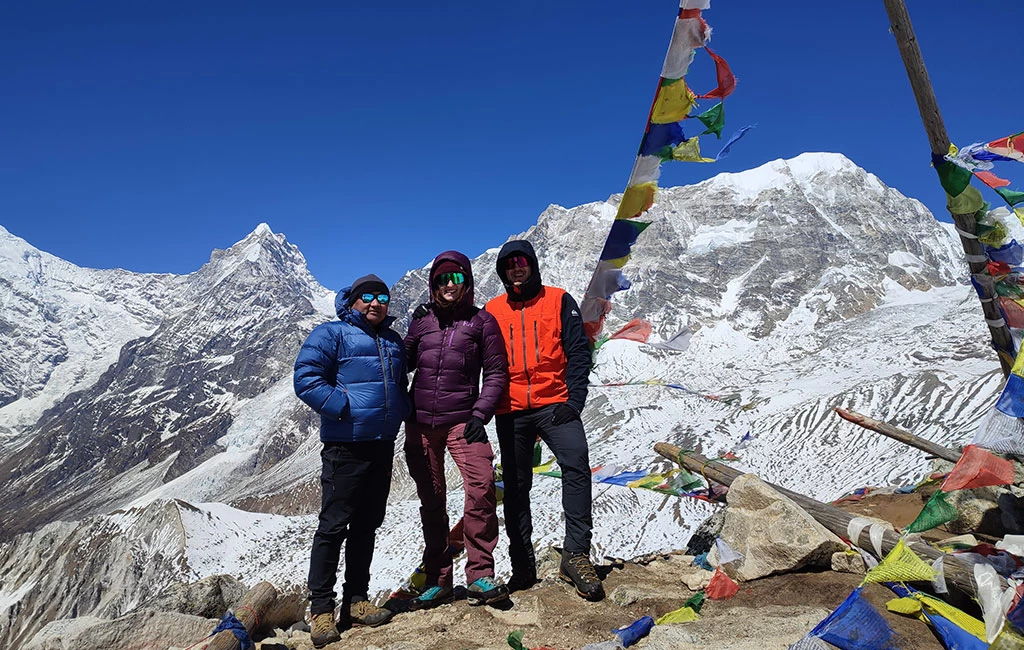
One well-known beginner trek is the Ghorepani Poon Hill Trek. It is relatively short, usually completed in 4–5 days, and offers beautiful sunrise views of the Annapurna and Dhaulagiri ranges. The trails pass through rhododendron forests and traditional Gurung villages, making it a great introduction to trekking in Nepal.
Another popular option is the Mardi Himal Trek. While the trail climbs gradually toward higher viewpoints, the overall route is still manageable for beginners with basic fitness. The trek offers open ridge walks and close views of Machapuchare and the Annapurna range.
The Langtang Valley Trek is also considered beginner-friendly, especially for those who want a longer Himalayan experience. The valley is located relatively close to Kathmandu, and the trail follows rivers, forests, and small mountain settlements before reaching the alpine landscapes near Kyanjin Gompa.
Moderate Treks in Nepal (Regular Hikers)
Moderate treks in Nepal are usually a step up from beginner routes. They often involve longer trekking days, higher altitude, and a slightly longer itinerary, but they are still achievable for people who have good fitness or some hiking experience.
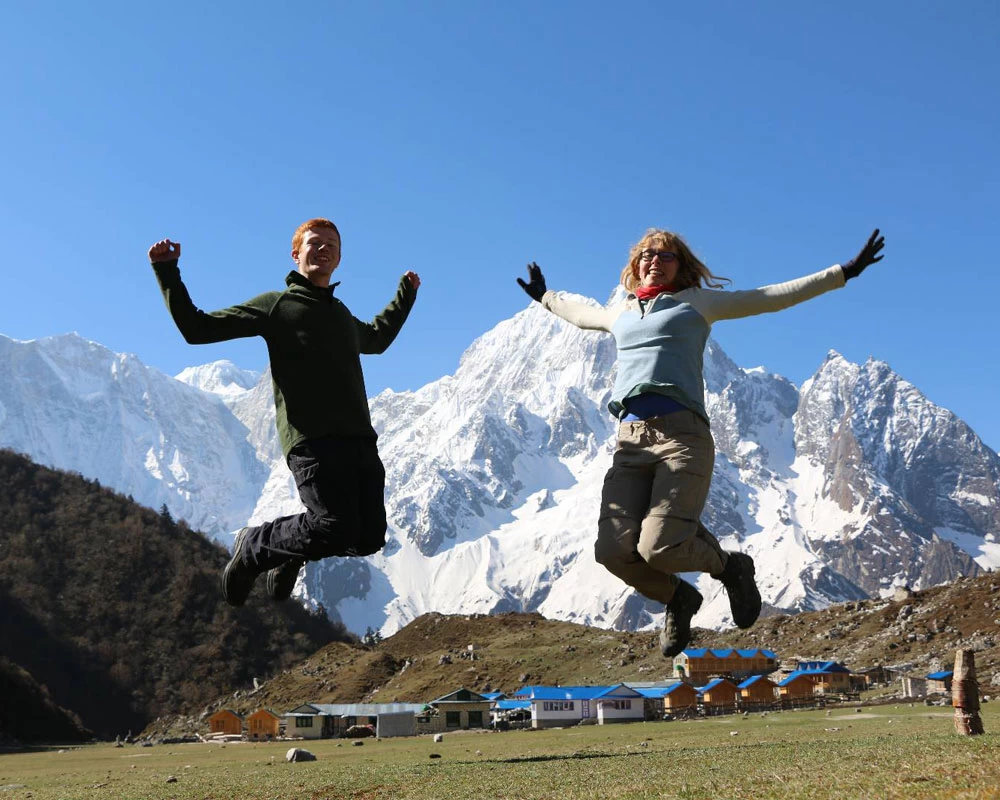
One of the most popular moderate treks is the Annapurna Base Camp Trek. The trail gradually climbs through villages, forests, and river valleys before reaching the base of the Annapurna massif at around 4,130 meters. While the altitude is higher than beginner treks, the route gains elevation gradually, which makes it manageable for many trekkers.
Another example is the Upper Mustang Trek. This trek takes you into the rain-shadow region north of the Annapurna range. The altitude is moderate, but the longer distances between settlements and the dry, windy terrain can make the trek more demanding than typical beginner routes.
The Manaslu Circuit Trek is also often placed in the moderate to challenging category. It is longer and more remote than many Annapurna region treks, with several days spent above 3,500 meters before crossing the high Larkya La Pass.
These treks are generally well suited for hikers who are comfortable walking 6–7 hours a day and want to experience higher mountain landscapes without moving into the most demanding trekking routes in Nepal.
Challenging Treks in Nepal (Experienced Trekkers)
Some treks in Nepal start to feel much more demanding once the altitude gets higher and the trekking days become longer. These routes are usually better suited for trekkers who already have some experience in the mountains and are comfortable walking for many days in a row.
One well-known example is the Everest Base Camp Trek. The trail reaches around 5,364 meters, and several days are spent above 4,000 meters. At this altitude, the thinner air can slow your pace and make even gradual climbs feel tiring. The trek also involves many ups and downs along the Khumbu Valley before reaching base camp.
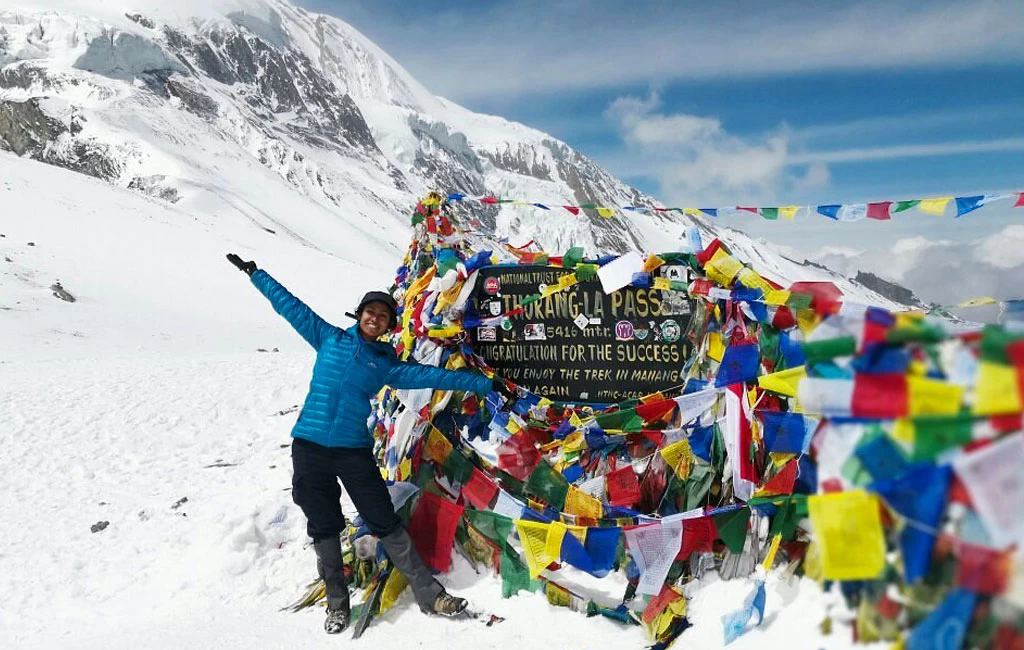
Another challenging route is the Annapurna Circuit Trek. This trek crosses the high Thorong La Pass (5,416 meters), which is one of the highest trekking passes in Nepal. The long itinerary, changing landscapes, and high altitude make it more physically demanding than most moderate treks.
The Kanchenjunga Base Camp Trek is also considered challenging. It is much more remote compared to popular trekking routes, and the journey takes trekkers deep into eastern Nepal. Longer distances between villages and the overall length of the trek add to the difficulty.
Treks like these require good stamina, proper acclimatization, and the ability to handle high-altitude conditions over multiple days.
The Most Difficult Treks in Nepal (For Highly Experienced Trekkers)
Some trekking routes in Nepal go far beyond the typical base camp journeys. These treks usually involve very high mountain passes, remote regions, longer expedition-style itineraries, and demanding terrain. They are generally suited for trekkers who already have strong high-altitude experience.
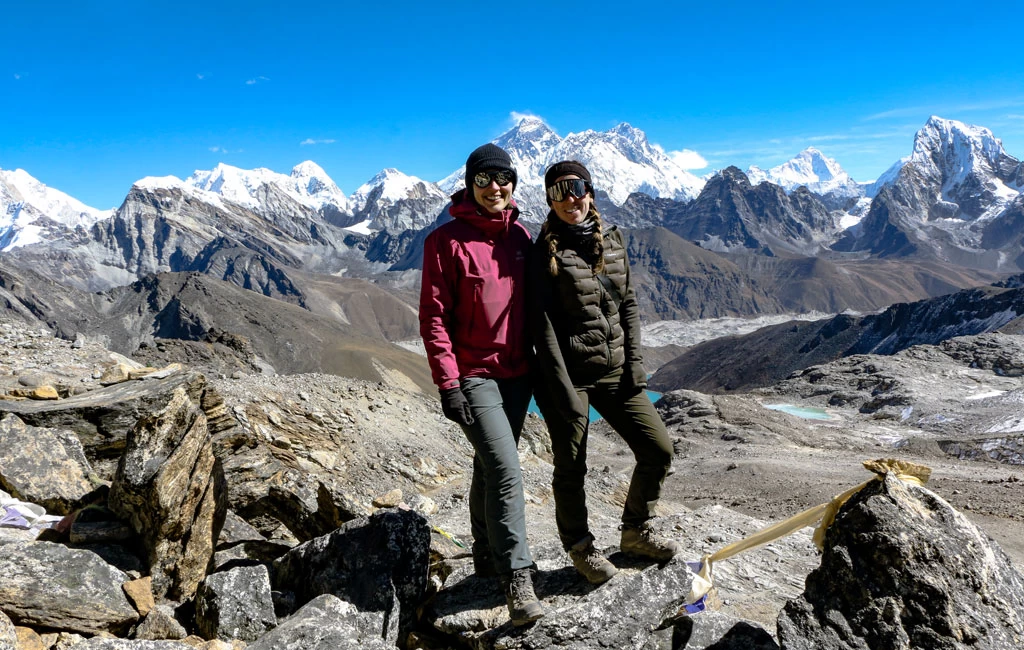
One of the most demanding routes is the Everest Three Passes Trek. Instead of following the regular Everest Base Camp trail, this route crosses three high passes — Kongma La (5,535 m), Cho La (5,420 m), and Renjo La (5,360 m). Each pass requires long trekking days at high altitude, often starting very early in the morning.
Another very challenging route is the Dhaulagiri Circuit Trek. This trek takes you through remote glacier valleys and high mountain passes around the Dhaulagiri massif. Sections of the trail pass through rugged terrain and remote camps where facilities are very limited.
The Makalu Base Camp Trek is also known for its difficulty. The region is extremely remote, the trekking days can be long, and trekkers spend extended time at higher elevations while traveling through isolated valleys.
These treks demand strong endurance, good acclimatization, and previous experience trekking at high altitude, as conditions in these regions can be far more demanding than typical trekking routes.
Can Beginners Trek in Nepal? What First-Time Trekkers Should Know
Yes, beginners can absolutely trek in Nepal. Every year, many people come to Nepal for their first trekking experience in the Himalayas. The key is choosing a route that matches your fitness level and allows enough time to walk comfortably each day.
Most beginner-friendly treks in Nepal follow well-established trails with tea houses, local lodges, and regular villages along the route. This means trekkers don’t need mountaineering skills or technical climbing experience. As long as you can walk for several hours a day, many of these routes are manageable.
However, first-time trekkers should understand that trekking in Nepal is still different from a normal hike. The trails often involve long uphill and downhill sections, stone steps, and several days of continuous walking. Altitude can also affect how your body feels as you go higher.
For beginners, it is usually better to choose treks that stay at moderate altitude and have shorter itineraries. Short treks in the Annapurna and Langtang regions are often good starting points. They offer beautiful Himalayan views without the extreme altitude found on more demanding treks.
With a sensible itinerary, basic preparation, and the right pace on the trail, many first-time trekkers find Nepal to be an unforgettable and achievable adventure.
How to Prepare for Trekking in Nepal (Fitness, Altitude & Training)
Preparing for a trek in Nepal mostly comes down to basic fitness, getting used to walking for long hours, and understanding how altitude affects your body. You don’t need to be an athlete, but it helps if your body is comfortable with regular physical activity.
A good starting point is regular walking or light hiking a few weeks before your trek. Try to walk for an hour or more on different types of terrain, including uphill sections if possible. This helps build stamina and prepares your legs for the long days on mountain trails.
Some trekkers also add simple strength exercises like squats, lunges, or stair climbing. These movements strengthen the muscles that are used most during trekking, especially when climbing uphill or walking down long stone steps.
Altitude preparation is also important. Many trekking routes in Nepal go above 3,000 meters, where the air becomes thinner. The best way to handle altitude is by following a gradual itinerary with proper acclimatization days, drinking enough water, and maintaining a steady pace while walking.
Finally, it helps to start your trek slowly rather than pushing your speed. Most experienced guides in Nepal recommend walking at a comfortable rhythm and taking short breaks along the way. This approach helps your body adjust naturally to both the physical effort and the altitude.
How to Choose the Right Trek in Nepal for Your Experience Level
Choosing the right trek in Nepal mostly depends on your fitness level, trekking experience, and how comfortable you are with altitude. Nepal has a wide range of trekking routes, so selecting the right one can make a big difference in how enjoyable the journey feels.
If you are a beginner, it’s usually better to start with shorter treks that stay at lower altitude and have comfortable tea house facilities. Routes like the Ghorepani Poon Hill Trek or the Langtang Valley Trek are often good starting points. These treks offer beautiful mountain scenery without requiring long days at very high elevation.
For trekkers who already have some hiking experience and want a longer Himalayan journey, treks such as the Annapurna Base Camp Trek can be a good choice. The trail gradually climbs higher into the mountains while still following well-established routes with regular villages and lodges.
Experienced trekkers who are comfortable with high altitude and longer trekking days may prefer routes like the Everest Base Camp Trek or high-pass treks in the Himalayas. These routes involve more demanding terrain and higher elevations, so they require stronger stamina and good acclimatization.
In the end, the right trek is the one that matches your fitness, experience, and the type of journey you want in the mountains. Nepal offers everything from short scenic hikes to demanding high-altitude adventures, so choosing the right route makes all the difference.
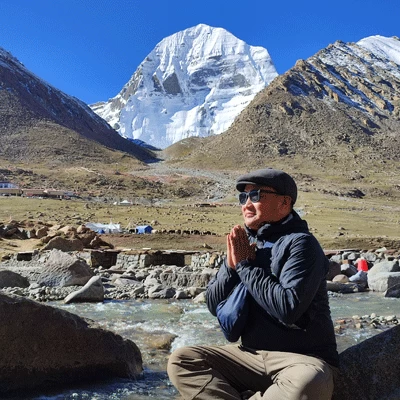
Tika Bahadur Rai (Trek & Tour Leader)
Call us on WhatsApp+977 9851031957OrChat with us