Planning Gosaikunda Trek? Understand the real difficulty level, altitude impact, terrain conditions, and the fitness required before you choose this Himalayan journey.
Gosaikunda Trek Difficulty & Altitude: Is It Hard?
Table of Contents
Gosaikunda is not a long expedition. It is not a technical climb. But still, many trekkers feel unsure before choosing it.
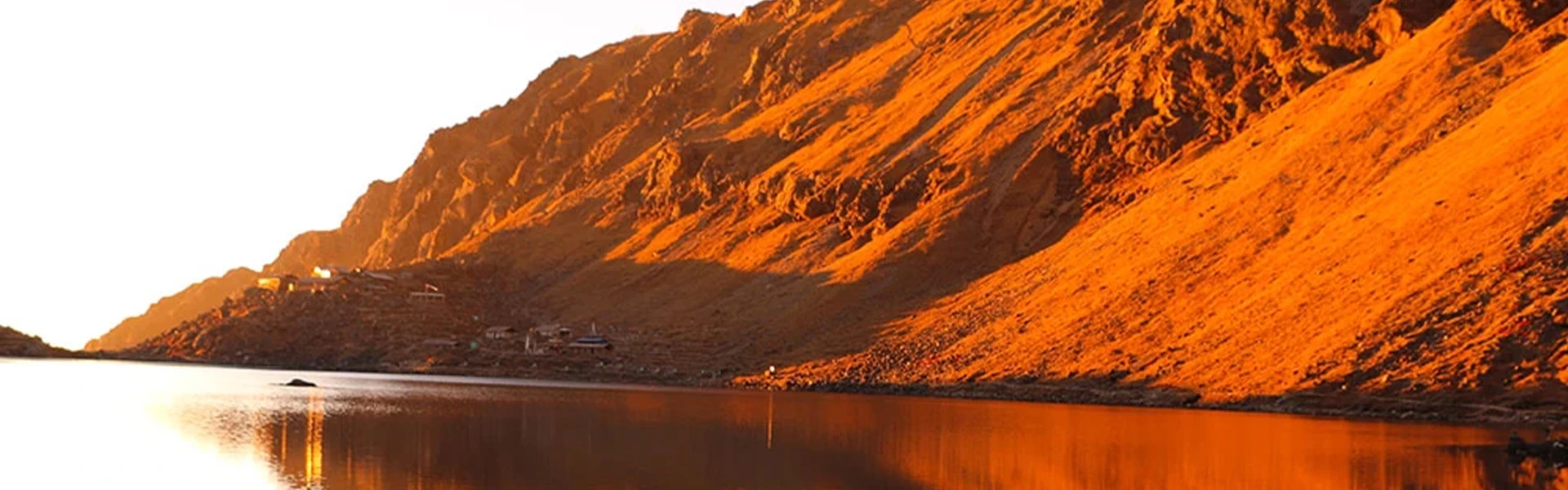
Gosaikunda Lake is located inside Langtang National Park in northern Nepal. It sits high above the forests of Dhunche and Chandanbari.
The trek usually takes 5 to 7 days, starting from Dhunche or Sundarijal. The distance is not very long, but you keep gaining altitude every day. The climb from Chandanbari to Lauribina and then to Gosaikunda is steep and can feel challenging.
That is why many people wonder: Is it really hard?
The honest answer is simple.
It is moderately challenging. The main reasons are the high altitude and some steep uphill climbs. But for most people who are reasonably fit, it is completely doable.
In this guide, we will clearly explain what makes the trek challenging, how the altitude can affect you, and whether it is the right trek for you.
If you also want to see the full route and day-by-day plan, you can check our detailed Gosaikunda Lake Trek itinerary as well.
Why Is Gosaikunda Trek Considered Challenging?
Gosaikunda is not dangerous. It is not technical. You don’t need ropes or climbing skills.
But it still feels demanding for many trekkers.
The reason is not one single thing. It is a mix of altitude, steady climbing, shorter ascent days, and how you manage your pace.
Let’s look at each of them clearly.
1) High Altitude and Thin Air (The Main Challenge)
The biggest factor is altitude.
Gosaikunda Lake sits at 4,380 meters. Once you go above 4,000 meters, your body starts to feel the height.
Breathing becomes slightly heavier. You may walk slower without even realizing it. Small uphill sections feel bigger than they look.
This happens to almost everyone, even fit people. It is not about strength. It is about how your body reacts to thinner air.
That is why altitude is the main challenge on this trek.
2) Steep Uphill Sections and Stone Staircases
Another reason the trek feels hard is the steady climbing.
From Dhunche to Chandanbari and then toward Laurebina, the trail keeps going up for long stretches. It is not extremely steep, but it continues for hours.
There are many stone steps and forest trails where you climb without much flat ground in between. Your legs start to feel the effort. Your breathing becomes heavier on the steeper parts.
It is not extreme, but it is consistent. That steady effort builds up through the day.
3)Gaining Height in Just a Few Days
Compared to longer treks like Annapurna Base Camp, Gosaikunda can feel a bit tougher because you gain altitude in fewer days.
In two or three days, you move from below 2,000 meters to above 4,000 meters.
That is a big change in a short time.
On longer treks, your body has more days to slowly adjust. Here, the climb happens faster. That is why some people feel the altitude more strongly on this trek.
If you add one extra day near Laurebina or Gosaikunda, it often feels much easier.
The Reality Most Trekkers Don’t Expect
Many people underestimate the Gosaikunda Trek because it is shorter than other Himalayan routes.
They think, “It’s only five or six days. It should be easy.”
But the challenge here is not distance. It is altitude.
Once you climb above 4,000 meters, even small uphill sections feel demanding. If you try to rush, the trek feels hard. If you slow down and respect the pace of the mountain, it feels steady and manageable.
The difference is not fitness alone. It is patience.
What to Expect During Each Phase of the Gosaikunda Trek
Understanding how the trek feels each day makes it easier to understand the difficulty.
Most Gosaikunda itineraries last 5 to 7 days. Some start from Dhunche, while others connect through the Helambu route. But the overall physical experience is quite similar.
Here is what the trek usually feels like, day by day.
Day 1: Drive to Dhunche and Short Walk
The trip usually starts with a drive from Kathmandu to Dhunche.
When you begin walking, the trail feels easy and comfortable. You are still below 2,000 meters, walking through forests and small villages. Your body feels normal, and breathing is easy.
This first day is not very demanding. It simply helps your body slowly adjust to a slightly higher altitude.
Day 2: Dhunche to Chandanbari (Sing Gompa)
This is where the steady climbing begins.
The trail moves uphill for long stretches. There are stone steps and forest paths that continue rising without much flat ground.
By midday, you start to feel it in your legs. Not because the trail is dangerous, but because it does not give you many full rest sections. The effort builds slowly.
By the time you reach Chandanbari, you feel that you have worked for the altitude. This is usually the first day that feels like a “real trekking day”.
Day 3: Chandanbari to Gosaikunda (The High Altitude Day)
This is normally the hardest day.
The trees thin out. The trail becomes more open. The air feels cooler and lighter. The climb toward Laurebina and then to Gosaikunda is steady and direct.
You may not be walking very fast. In fact, most people naturally slow down here. The effort feels different, not heavier, but more noticeable. There is less distraction. The landscape is open and quiet. You become more aware of your breathing and your steps.
Reaching the lake feels rewarding because you know you earned it. The challenge here is not speed. It is maintaininga steady effort at high altitude.
Who Can Do the Gosaikunda Trek?
This is one of the most important questions.
Gosaikunda is not only for expert trekkers. Every year, many first-time trekkers complete it successfully.
However, you should be able to:
- Walk 5 to 7 hours a day
- Have basic stamina and reasonable leg strength
- Stay patient and move slowly at high altitude
You do not need mountaineering skills or extreme athletic fitness.
But you should not think of it as a simple weekend walk either.
If you have done shorter treks before or hike regularly, that will definitely give you an advantage.
How to Prepare for the Gosaikunda Trek
Preparation does not need to be complicated.
Two to four weeks before the trek, you can focus on:
- Regular walking
- Climbing stairs
- Light cardio exercises
- Strengthening your legs
Even simple daily uphill walks can make a big difference in how comfortable you feel on the trail.
Mental preparation is just as important.
You need to understand that altitude requires patience. If you walk slowly and respect the pace of the mountains, the experience becomes much smoother and more enjoyable.
Final Thoughts: Is the Gosaikunda Trek Hard?
The Gosaikunda Trek is moderately challenging.
The real challenge on this trek is the altitude. The steady uphill climbs test your stamina, and the thin air makes you walk more slowly.
But it is not extreme.
With a steady pace, basic fitness, and proper planning, most trekkers can complete it safely and enjoy the journey.
And when you finally stand beside the calm waters of Gosaikunda, surrounded by high mountains and prayer flags, all the effort feels worth it.
The challenge becomes a meaningful part of the experience.
Frequently Asked Questions About Gosaikunda Trek Difficulty
How high is Gosaikunda Lake?
Gosaikunda Lake sits at 4,380 meters (14,370 feet) above sea level. Once you cross 4,000 meters, the air becomes noticeably thinner, which is why many trekkers feel the altitude more strongly near the lake.
Is Gosaikunda Trek harder than Annapurna Base Camp?
Both treks are considered moderately challenging.
Annapurna Base Camp is slightly higher in total distance but gains altitude more gradually. Gosaikunda gains height in fewer days, which can make it feel more intense over a shorter period.
If you manage your pace well, both are very doable for reasonably fit trekkers.
Can beginners do the Gosaikunda Trek?
Yes, beginners can complete the trek successfully.
You do not need mountaineering experience. However, you should be comfortable walking 5 to 7 hours a day and prepared for steady uphill sections. Basic fitness and patience are more important than extreme strength.
Is altitude sickness common on the Gosaikunda Trek?
Mild symptoms such as headache or slight breathlessness can happen because the trek goes above 4,000 meters.
Most trekkers adjust well when they walk slowly, drink enough water, and avoid rushing. Adding an extra acclimatization day can also help.
How many days do you need for the Gosaikunda Trek?
Most itineraries take 5 to 7 days.
If you want a more comfortable experience, adding one extra day near Laurebina or Gosaikunda can make the trek feel easier and more relaxed.
What is the best time to do the Gosaikunda Trek?
The best seasons are spring (March to May) and autumn (September to November).
During these months, the weather is stable, the views are clear, and the trails are in good condition. Winter can be colder and snowy near the lake.
Tika Bahadur Rai (Trek & Tour Leader)
Call us on WhatsApp+977 9851031957OrChat with us