If you have never trekked before, Nepal can still be a great place to start. This guide explains which treks are best for beginners, what to expect on the trail, and how to choose the right route for your first experience.
Which Trek in Nepal Is Best for Beginners with No Experience?
Table of Contents
If you have never trekked before, it is completely normal to wonder if Nepal is the right place to start. The mountains here look big, the trails go high, and many people assume you need prior experience or to be an athlete to even think about it.
But the reality is a bit different.
Nepal is not just for experienced trekkers. There are routes that are simple, well-paced, and suitable for people trying trekking for the first time. You don’t need technical skills or special training. What matters more is choosing the right trek and understanding what the experience actually feels like.
Some treks can feel too demanding if you start with the wrong one. But others are designed in a way that allows your body to adjust slowly, with comfortable places to stay and a steady walking pace.
In this guide, we will help you understand what to expect and which trek makes the most sense for your first experience in Nepal.
Is trekking in Nepal possible for complete beginners?
Yes, trekking in Nepal is possible even if you have no prior experience. Many people who come here for the first time have never done a multi-day walk before.
What surprises most beginners is that trekking is not about climbing steep mountains all day. It’s about walking at a steady pace, taking breaks, and moving from one village to another.
As long as you are comfortable hiking for around 4 to 6 hours a day, you are already capable of doing many beginner-friendly treks in Nepal.
That said, not every trek is suitable for beginners. Some routes go higher or involve longer days, which can feel tiring if you’re not prepared.
Starting with the right trek makes a big difference. Once you understand the rhythm of trekking, even slightly longer routes begin to feel more manageable.
What Makes a Trek Easy for First-Time Trekkers
Once you know beginners can trek in Nepal, the next step is choosing the right route.
A trek feels easier when the daily walking hours are steady and not too long. Routes that allow around 4 to 6 hours of hiking are more comfortable when you’re just starting out.
Altitude also plays a role. Treks that stay lower or gain height gradually are easier to adjust to compared to routes that go high too quickly.
It also helps when there are regular places to stop along the way. Being able to rest, eat, and stay in simple lodges makes the experience more manageable, especially on your first trek.
Poon Hill Trek (Why Many Beginners Start Here)
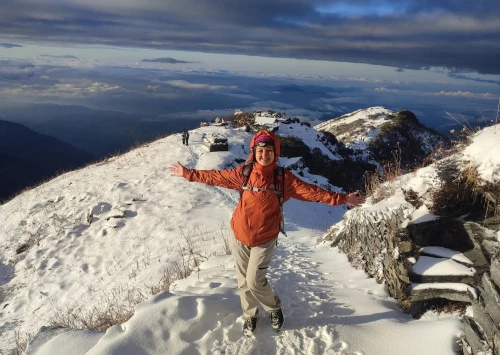
If you are looking for a first trekking experience that feels manageable from the start, Poon Hill is often the easiest place to begin.
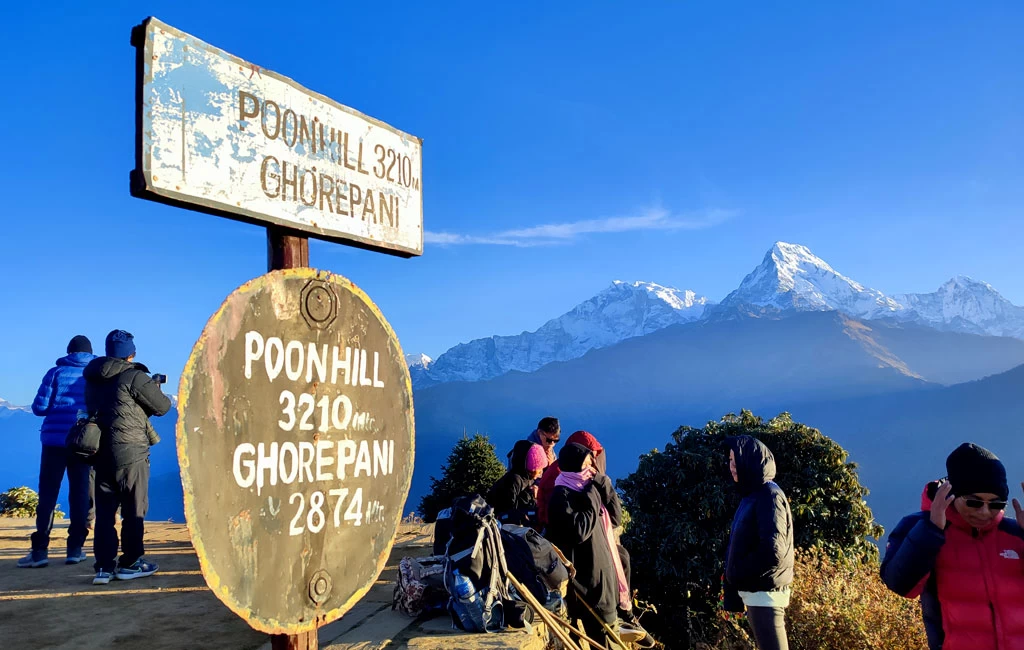
On most days, you will be hiking for around 4 to 5 hours, depending on your pace. This gives you enough time to walk comfortably without feeling rushed or overly tired.
The trail is easy to follow and passes through villages, forests, and stone steps. There are regular stops along the way, which makes the journey feel more relaxed, especially for beginners.
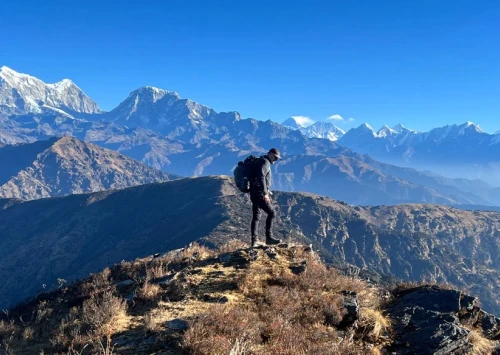
The highest point of the trek is around 3,210 meters, which allows you to experience the mountains without going too high.
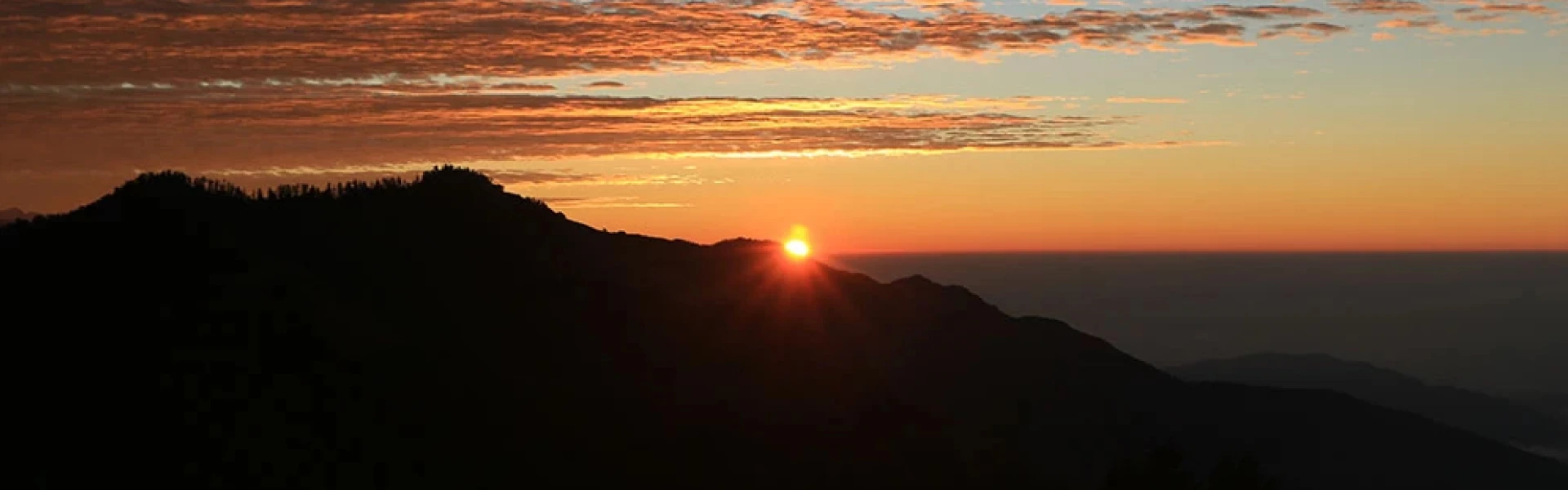
One of the highlights is the early morning hike to Poon Hill viewpoint. From the top, you can see peaks like Annapurna South, Machhapuchhre (Fishtail), Dhaulagiri, and Hiunchuli, especially during sunrise.
Langtang Valley Trek (A Better Choice If You Want More Experience)
If you are comfortable walking a bit longer and want a deeper mountain experience, Langtang Valley Trek is a great next step.
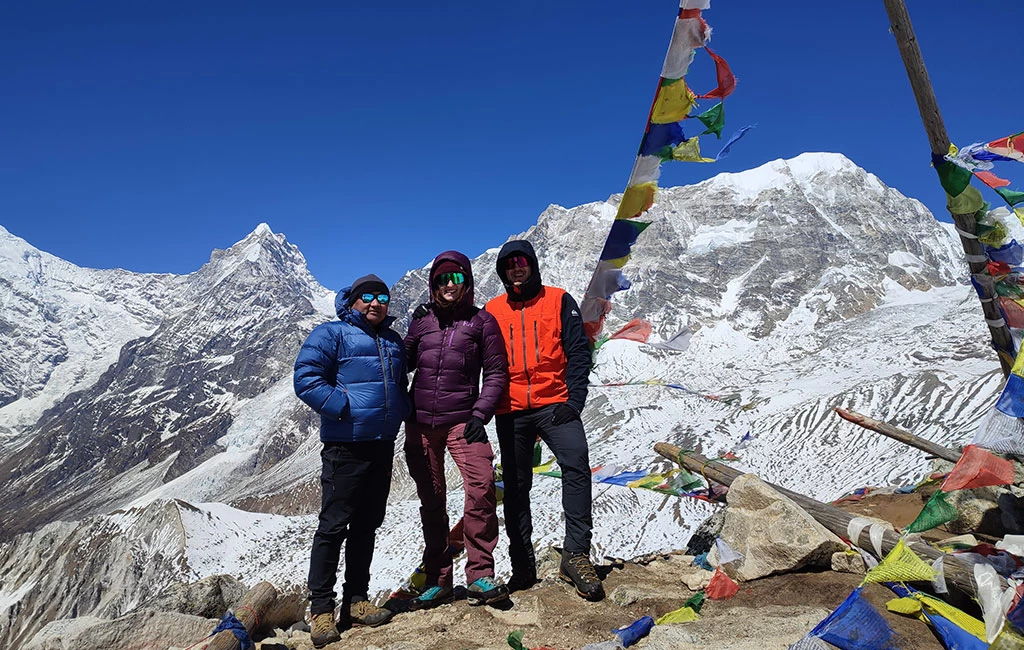
You will usually be walking for around 5 to 7 hours a day, which is still manageable but requires a bit more consistency.
The trek reaches around 3,800 to 4,000 meters, so it’s important to walk steadily and give your body time to adjust.
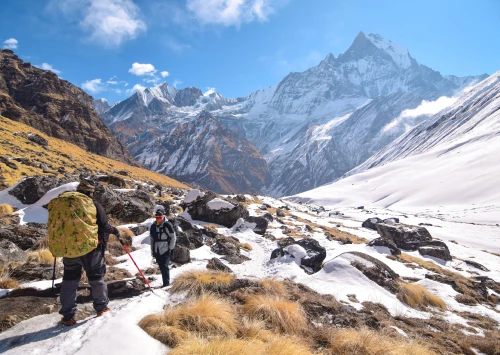
The trail passes through forests, rivers, and mountain villages before opening into a wide valley surrounded by snow-covered peaks. It also feels quieter and less crowded.
From Kyanjin Gompa, you can take short hikes to places like Kyanjin Ri or Tserko Ri, where you’ll see peaks such as Langtang Lirung, Dorje Lakpa, and Yala Peak up close.
What to Expect on Your First Trek in Nepal
A typical trekking day starts in the morning. After breakfast, you begin walking, take short breaks along the way, and reach your next stop by afternoon.
You’ll be walking for around 4 to 7 hours a day. Some sections will feel easy, while uphill parts can feel tiring. Walking slowly makes a big difference.
Accommodation is in small lodges, often called tea houses. They are simple but comfortable enough for rest. You’ll have a bed, basic meals, and a place to relax in the evening.
Food is simple and filling, like rice, noodles, soup, and tea. As you go higher, options may become more limited, but you’ll still have enough to stay energized.
You may feel tired at the end of the day, especially in the beginning. But there’s also a strong sense of satisfaction that builds with each day.
Mistakes Beginners Often Realize Too Late
Most beginners don’t struggle because trekking is too difficult. It is usually due to small decisions that make things harder than they need to be.
Starting too fast is one of the most common mistakes. Walking at a steady pace is much more comfortable over multiple days.
Carrying too much weight is another issue. A heavy bag can make the trek feel more tiring than it should.
Some beginners don’t pay attention to how their body feels at higher altitude. Taking it slow and staying hydrated helps avoid discomfort.
Expecting too much comfort can also affect the experience. Tea houses are simple, and understanding this in advance makes it easier to enjoy the trek.
Do you really need a guide as a beginner?
This is one of the most common questions first-time trekkers have.
The simple answer is you don’t always need a guide, but for many beginners, having one can make the experience much easier and more comfortable.
On routes like Poon Hill and Langtang, the trails are clear, and there are villages along the way. It is possible to trek independently if you feel confident and prepared.
Over the years, our team has seen that beginners who go with a guide often feel more relaxed on the trail, especially in the first few days.
A guide helps you keep a steady pace, choose the right stops, and handle small challenges along the way.
In the end, it depends on your comfort level. Both options can work on these routes.
Final Thoughts
If you are new to trekking, Nepal is still a great place to begin. You don’t need experience or special skills.
Treks like Poon Hill offer a simple start to your trekking journey, while Langtang gives you a slightly deeper experience without becoming too difficult.
There will be moments where you feel tired, especially in the beginning. But there will also be moments where you feel proud of how far you have come.
If you take it slow and stay consistent each day, your first trek can be a very positive experience and often just the beginning of wanting to explore more.
Tika Bahadur Rai (Trek & Tour Leader)
Call us on WhatsApp+977 9851031957OrChat with us