Altitude sickness doesn’t always feel serious at first. Learn how it usually develops on a Nepal trek and how it’s handled step by step on the trail.
What Happens If You Get Altitude Sickness in Nepal? (Real Scenario Guide)
Table of Contents
One of the most common worries before trekking in Nepal is this: what if I get altitude sickness?
It is a fair question. You are going higher than usual, and you don’t really know how your body will react. Many first-time trekkers think this is something serious or rare.
But in reality, it is something quite common on the trail.
Most of the time, it doesn’t come suddenly or feel extreme. It usually starts slowly, and if you understand what’s happening, it becomes much easier to handle.
You don’t need to be scared of it. You just need to know what it feels like and what to do when it happens.
Can You Actually Get Altitude Sickness on a Nepal Trek?
Yes, you can and it doesn’t depend on whether you are fit or not.
Many people assume that if they are active or used to walking, they won’t face it. But altitude sickness is not about strength. It depends on how your body reacts as you go higher.
You can see this clearly on the trail. Some people feel completely fine, while others start to notice small changes even if they are walking at the same pace.
It usually starts becoming noticeable once you go above 2,500 to 3,000 meters. This is where the air starts to feel thinner, and your body needs time to adjust.
The important thing to understand is that it is not unusual. It is part of trekking in higher regions. Most trekkers experience it in a mild form at some point, especially on their first trek.
What matters is not whether it happens but how you recognize it and respond to it.
How It Usually Starts on the Trail
In most cases, it doesn’t start in a dramatic way. You won’t suddenly feel sick out of nowhere.
It usually begins at the end of a normal trekking day. You reach your lodge, sit down, and notice that something feels slightly off. Maybe you feel a light headache or a bit more tired than usual, even if the day didn’t feel too difficult.
Some people feel less hungry at dinner or just don’t feel like eating much. Others notice that they feel a bit heavy or slow, even while resting.
At this stage, it is easy to ignore. Many trekkers think it is just normal tiredness from walking. And sometimes, it is.
But this is usually the point where your body is starting to react to the altitude. It’s not serious, and it doesn’t mean anything is wrong. It just means your body needs a bit more time to adjust.
If you take it easy from here, these small signs often settle down on their own.
What You Might Feel as You Go Higher
If you continue gaining altitude, those small signs can become a bit more noticeable.
The most common one is a headache that doesn’t go away easily. It is not very sharp, but it stays there even after resting. Some people also feel more tired than usual, even on shorter walking days.
You might notice your appetite dropping. Food is available, but you just don’t feel like eating much. Sleep can also feel different. Even after a full night, you may wake up feeling like you didn’t rest properly.
At times, you can feel slightly dizzy or lightheaded, especially when you stand up or start walking again after a break.
These are the kinds of things many trekkers experience at higher altitude. They don’t feel serious, but they are noticeable enough to make you slow down a bit.
At this stage, your body is still adjusting. If you give it time, walk at a steady pace, and don’t push yourself too much, these feelings often stay mild and manageable.
When It Starts to Become Serious
Most of the time, the symptoms stay mild. But if you keep going higher without giving your body enough time, you can start to feel more uncomfortable.
The headache may become stronger instead of easing with rest. You might feel nausea or even start vomiting, and walking can feel heavier than usual, even on simple sections of the trail.
Some people also notice that they feel unusually weak or unsteady while walking. In more serious cases, even breathing can start to feel difficult, especially while resting.
At this point, it is important not to ignore these signs.
This is where many trekkers make a mistake, they try to push through, thinking it will pass on its own. But going higher usually makes it worse.
When it starts to feel like this, the safest decision is to stop going up and allow your body to recover. And if the symptoms don’t improve, going down to a lower altitude is the right step.
Taking action early makes a big difference and prevents it from becoming more serious.
What Most Trekkers Do at This Point
When symptoms start to feel uncomfortable, most trekkers don’t panic. They slow things down and give their body time to adjust.
The first step is usually simple, rest for a while and avoid going higher. Many people stay an extra night at the same place instead of continuing upward. This often helps the body settle.
You will also notice people drinking more water, eating light meals, and walking at a much slower pace the next day. Small changes like this make a difference.
If the symptoms stay the same or start improving, most trekkers continue carefully, without rushing.
But if things don’t improve or feel worse, the decision becomes clear, they go down to a lower altitude. Even a small drop in height can make you feel better quite quickly.
On the trail, this is a normal part of the experience. You will see others doing the same. It is not about pushing through, it is about adjusting and making the right call at the right time.
How Guides Usually Handle This
On the trail, guides are used to dealing with this kind of situation. It is something they see regularly, especially with first-time trekkers.
Over the years of experience, our experienced trekking team has noticed that most issues can be managed early just by adjusting the pace and paying attention to small changes.
A guide will usually start by observing how you are feeling, not just what you say, but how you walk, how often you stop, and how you respond at rest points. If something feels off, they slow the day down or suggest staying an extra night instead of continuing upward.
They also help with simple decisions that can make a big difference, like when to rest, when to move, and when it’s better not to go higher.
If symptoms don’t improve, a guide won’t take risks. The usual step is to go down to a lower altitude, even if it means changing the plan.
For many trekkers, having someone experienced handle these decisions makes the situation feel much more manageable.
Can You Prevent Altitude Sickness Completely
You can’t fully control how your body reacts to altitude. Even if you do everything right, there’s still a chance you might feel some symptoms.
But in most cases, you can reduce the chances of it becoming a problem.
The biggest difference comes from how you pace your trek. Walking steadily and not rushing, especially as you go higher, gives your body more time to adjust.
It also helps to stay consistent with simple habits like drinking enough water, eating properly, and getting enough rest each day. These may seem small, but they play an important role over multiple days.
Choosing an itinerary that allows gradual height gain also makes a big difference. When your body has time to adjust day by day, the chances of feeling uncomfortable are much lower.
You may still notice mild symptoms, and that’s normal. The goal is not to avoid it completely, but to keep it manageable so you can continue your trek comfortably.
Final Thoughts
Altitude sickness is something most trekkers think about before coming to Nepal. But once you understand how it usually starts and how it’s handled on the trail, it becomes much less worrying.
In most cases, it doesn’t stop your trek. It just asks you to slow down, pay attention to your body, and adjust your pace when needed.
You don’t need to overthink it or feel nervous before starting. With the right approach, most people manage it without major issues.
And once you’re on the trail, you will realize that it’s not about avoiding every small discomfort. It’s about understanding what your body is telling you and responding to it in a simple, steady way.
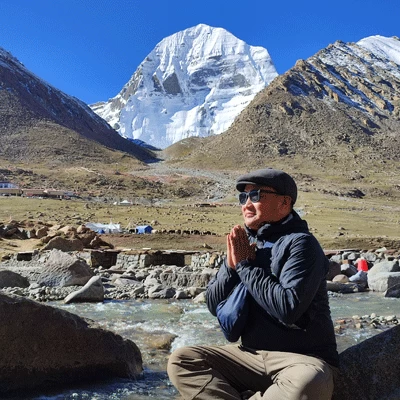
Tika Bahadur Rai (Trek & Tour Leader)
Call us on WhatsApp+977 9851031957OrChat with us