Pikey Peak is a budget-friendly alternative to Everest Base Camp, offering clear Everest views, a shorter trek, and a quieter trail. This blog explains why it’s a smart choice for trekkers seeking a simpler Everest experience.
Pikey Peak Everest View: Why It's the Best Budget Alternative to Everest Base Camp
Table of Contents
Pikey Peak offers one of the clearest views of Mount Everest without the high cost, long duration, or physical strain of the Everest Base Camp trek. For trekkers who want to see Everest on a budget, it is one of the smartest alternatives available in Nepal.
The trek is shorter, more affordable, and far less crowded than Everest Base Camp. You avoid expensive flights, hike at a comfortable pace, and still enjoy panoramic Himalayan views, including Everest, from a peaceful viewpoint.
If your goal is to experience Everest without committing to a long, costly, and demanding expedition, Pikey Peak delivers that experience in a simpler and more accessible way.
Why Many Trekkers Dream of Seeing Everest
For many people, seeing Mount Everest is a lifelong dream. It is not just about reaching a destination, but about standing in front of the world’s highest mountain and feeling the scale of the Himalayas.
Everest represents adventure, achievement, and the raw beauty of the mountains. Even for trekkers who have no interest in climbing, simply seeing Everest with their own eyes is a dream. This is why so many people plan their trips to Nepal around the idea of an “Everest trek”.
However, as exciting as that dream is, the traditional way of seeing Everest does not suit everyone, especially those traveling on a limited budget or with limited time.
The Problem with Everest Base Camp for Budget Trekkers
The trek to Everest Base Camp is iconic, but it comes with practical challenges that many budget-conscious trekkers only realize after planning begins. These challenges are not always about the trek itself, but about cost, crowds, and time commitment.
High Cost of Flights and Logistics
Most Everest Base Camp itineraries depend on flights to Lukla, which are expensive and often affected by weather delays. On top of that, accommodation, food, and guide costs increase steadily as you gain altitude. For budget trekkers, these expenses add up quickly.
Crowds and Busy Trails
Everest Base Camp is one of the most popular trekking routes in the world. During peak seasons, the trail can feel crowded, with busy lodges and limited personal space. For trekkers looking for a quieter mountain experience, this can take away from the enjoyment.
Time Commitment and Physical Demands
The trek usually takes around two weeks and involves long walking days at high altitude. Acclimatization days are necessary, and the physical effort required is higher than many first-time trekkers expect.
What Makes Pikey Peak a Smart Alternative
Because of these limitations with Everest Base Camp, Pikey Peak trek stands out as a wise alternative for many trekkers.
Clear Views of Everest Without Going to Base Camp
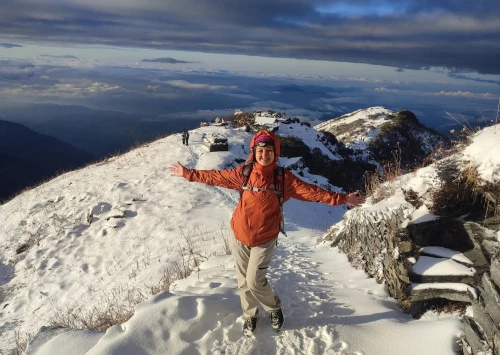
From the summit of Pikey Peak, you get wide Himalayan views that include Mount Everest and several other major peaks. You see Everest from a distance, but from a high, open viewpoint. For many trekkers, this experience is more relaxed and just as meaningful as seeing Everest from the busy base camp area.
Much Lower Cost Compared to EBC
Pikey Peak does not require expensive flights or long high-altitude stays. Most itineraries use road travel, and daily costs along the trail remain reasonable. Accommodation and food are simpler and more affordable, which keeps the overall budget much lower than an Everest Base Camp trek.
Shorter Duration and Easier Pace
The trek to Pikey Peak is shorter and does not require two weeks of walking. Daily walking hours are comfortable, and the altitude gain is gradual. This makes the trek easier to fit into a limited travel schedule and less physically demanding for many people.
Fewer Crowds and Quieter Trails
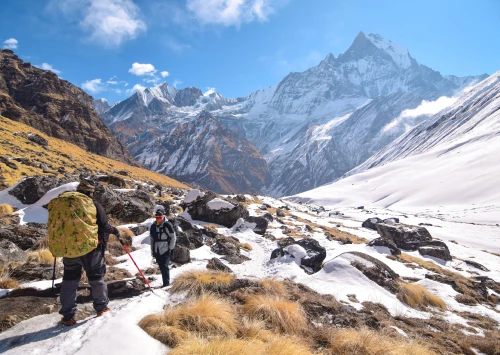
Unlike the Everest Base Camp route, Pikey Peak remains peaceful even during peak trekking seasons. You walk through villages, forests, and open ridges without constant foot traffic. For trekkers who value silence, space, and a slower rhythm, this makes a big difference.
Everest View from Pikey Peak (What You Actually See)
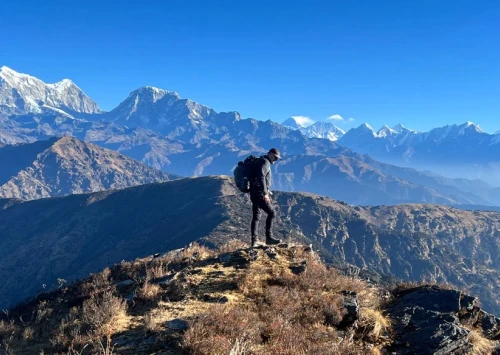
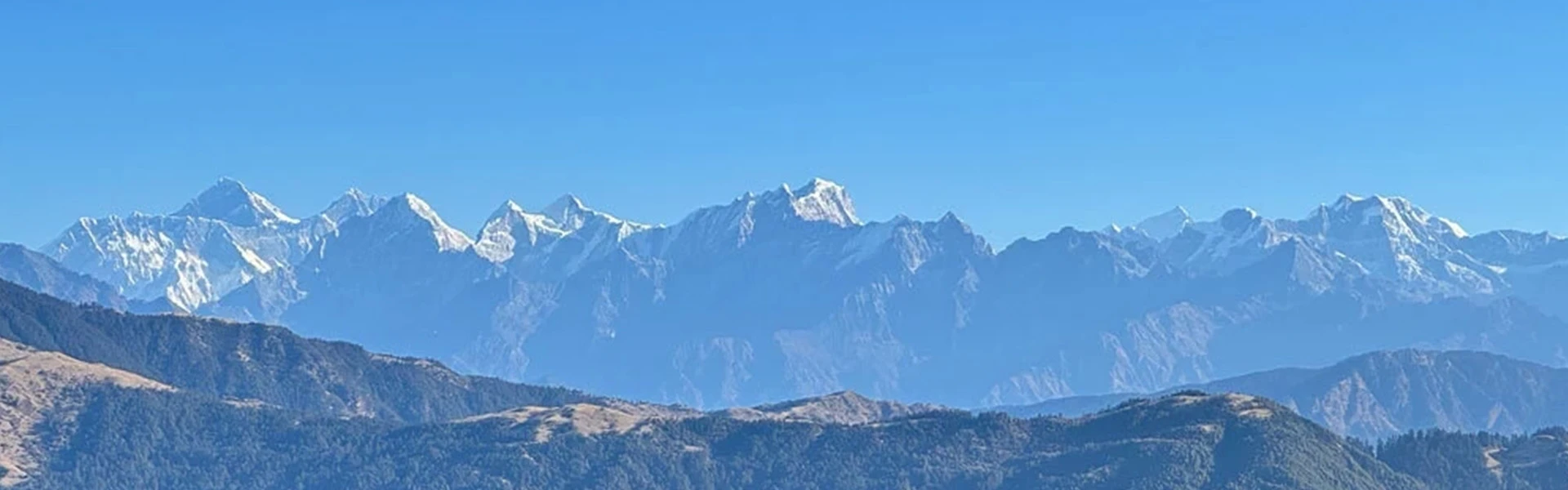
The summit of Pikey Peak offers one of the widest panoramic views in the lower Everest region. On a clear morning, you can see Mount Everest along with several other major Himalayan peaks.
What makes this viewpoint special is the open ridgeline. There are no nearby walls of rock or tall ridges blocking the view, which allows the mountains to stretch across the horizon. The experience feels calm and spacious, especially during sunrise.
From the top, trekkers often see Mount Everest, Lhotse, Makalu, and even Kanchenjunga on exceptionally clear days. While you are not close to Everest like at Base Camp, the distant perspective allows you to appreciate the scale of the mountain range as a whole.
For many people, standing quietly on the summit with uninterrupted views feels more peaceful and memorable than visiting a crowded base camp.
Cost Comparison (Pikey Peak vs Everest Base Camp)
The cost difference between Pikey Peak and Everest Base Camp becomes clearer when you look at how each trek is planned and accessed.
Everest Base Camp usually requires flights to Lukla, which are expensive and often affected by weather delays. On top of that, food, accommodation, and other services become more costly as you go higher. Daily expenses add up quickly over the longer trekking period.
Pikey Peak, on the other hand, can be reached via local jeep, avoiding costly flights altogether. Accommodation and meals along the trail are simpler and more affordable, and the shorter duration keeps overall expenses low. Guide and porter costs are also more manageable because the trek is shorter and less demanding.
In simple terms, Pikey Peak allows you to experience Everest views without the heavy financial commitment that comes with trekking all the way to Base Camp. For budget-conscious trekkers, this makes a noticeable difference.
Which Trek Is Easier and More Time-Friendly?
When comparing Pikey Peak and Everest Base Camp, the difference in difficulty is easy to understand.
The altitude on the Pikey Peak trek stays lower, which reduces physical strain and the need for multiple acclimatization days. Walking days are shorter, and the pace feels more relaxed throughout the trek.
Everest Base Camp involves longer daily walks at higher altitude and requires more time for proper acclimatization. This increases both the physical effort and the total number of trekking days.
For trekkers with limited time, moderate fitness, or a preference for a steadier pace, Pikey Peak feels easier and more manageable from start to finish.
Final Thoughts
Pikey Peak is best suited for trekkers who want to see Everest without committing to a long, expensive, and physically demanding journey. If your priority is Himalayan scenery rather than reaching a famous base camp, this route makes more sense.
It is especially suitable for travelers with limited time, moderate fitness, or a preference for quieter trails. For first-time trekkers who want an Everest experience without dealing with high altitude pressure or crowded paths, Pikey Peak is the one.

Cholendra Bahadur Karki (Managing Director)
Call us on WhatsApp+977 9851031957OrChat with us