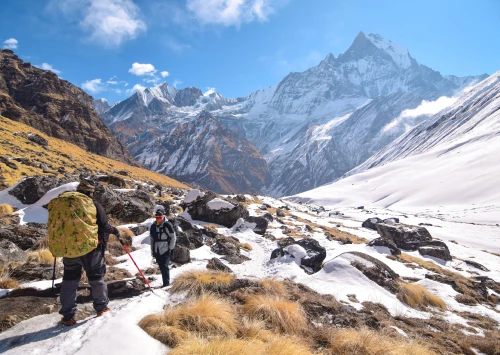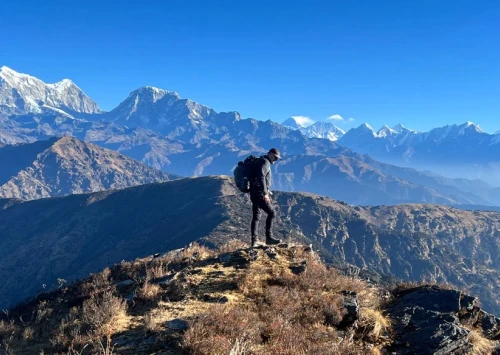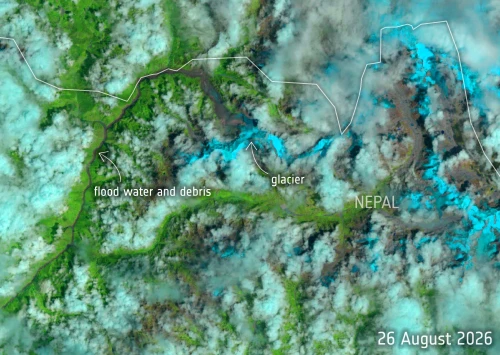

Trekking in Nepal is a beautiful way to explore the Himalayas, experience local culture and enjoy peaceful mountain life. This guide shares ten simple and practical tips to help you choose the right trek, stay safe at altitude, understand teahouse living and prepare for changing weather. Whether you are a beginner or an experienced trekker, these tips will help you plan your journey with confidence and make your time in Nepal more enjoyable.
Trekking in Nepal Guide: 10 Helpful Tips for Beginners
Table of Contents
Trekking in Nepal is one of the best ways to experience the Himalayas up close. The country has peaceful trails, warm local people, and views that stay with you for a lifetime. Whether you are a complete beginner or someone who has trekked before, Nepal offers routes for every fitness level and interest.
A good trek in Nepal does not only depend on the trail you choose. It also depends on how well you plan, how you prepare, and how you understand the local environment and culture. With the right information, your journey becomes safer, easier, and more enjoyable.
Below are ten helpful tips to guide you as you plan your trekking adventure in Nepal. These tips are simple, practical, and based on real experiences from the mountains.
1. Choose the Right Trek for Your Experience
Nepal has many trekking routes, and each one offers a different kind of experience. Instead of choosing a trek only because it is popular, pick one that matches your fitness level, travel time, and comfort with altitude. This will make your journey more enjoyable and safe.
Here are some easy ways to decide:
Treks suitable for beginners
Poon Hill Trek: Short and beautiful walk with sunrise views over the Annapurna range.
Langtang Valley Trek: Close to Kathmandu with friendly villages and steady walking paths.
Mardi Himal Trek: A peaceful route with amazing ridge views and a good choice for a first Himalayan trek.
Treks for trekkers with some experience
Everest Base Camp Trek: A rewarding journey through Sherpa villages and the Khumbu Valley. Good fitness is needed because of the altitude.
Annapurna Base Camp Trek: A scenic trail that mixes forests, waterfalls, and high mountains.
Treks for experienced trekkers
Manaslu Circuit Trek: A quiet and remote trail that circles the Manaslu region. Longer duration and higher altitude.
Upper Mustang Trek: A cultural journey through an ancient kingdom with desert style landscapes.
If you are new to trekking or visiting Nepal for the first time, choose a route with gradual altitude gain. Trails like Poon Hill, Langtang, and Mardi Himal are perfect starting points before attempting harder treks like EBC or Manaslu.
2. Understand Trekking Permits and Regulations
Most trekking areas in Nepal require permits. These permits help protect the environment, support local communities, and keep records of trekkers for safety. Getting them is simple, but you need to know the right ones for your route.
Common permits you may need
TIMS Card: A basic trekking information card that is required for many popular routes.
National park or conservation area entry: For example, you need a permit for Sagarmatha National Park if you trek to Everest, and an ACAP permit for the Annapurna region.
Restricted area permit: Some regions are controlled and need a special permit. These include Upper Mustang, Manaslu, Dolpo and Kanchenjunga. These permits can only be issued through a registered trekking agency.
You can get most permits from the Nepal Tourism Board office in Kathmandu or Pokhara. If you are trekking with an agency, they will arrange everything for you.
Before starting your trek, make sure your permits are checked at the entry points. Keeping them safe during the journey is important because you may need to show them at several checkpoints.
3. Choose the Best Time to Trek
Nepal has four main seasons, and each one offers a different experience on the trails. The best time to trek is when the weather is clear, the views are open, and the trails are safe.
Spring season
March to May: This is one of the most popular times to trek. The weather is warm, the skies are usually clear, and the forests are full of blooming rhododendron. It is a comfortable season for beginners.
Autumn season
September to November: This is the peak trekking season in Nepal. The mountains are very clear after the monsoon, the temperature is pleasant, and the trails are in their best condition. Most trekkers choose this time for longer treks like Everest and Annapurna.
Winter season
December to February: Cold mornings and nights, but peaceful trails. Lower regions are comfortable during this season, but high passes and very high altitude areas can be challenging due to snow.
Monsoon season
June to August: This season brings rain, clouds and slippery trails. It is not ideal for most treks, but some regions like Upper Mustang and Dolpo remain good options because they lie in the rain shadow area.
Choosing the right season helps you enjoy the trek more, stay safe on the trail, and get the best mountain views.
4. Pack the Right Trekking Gear
Having the right gear makes your trek more comfortable and safe. You do not need the most expensive equipment, but you should carry items that work well in changing mountain weather. The temperature can shift quickly in Nepal, so it is better to be prepared.
Clothing
Carry warm layers that you can add or remove easily. A light base layer for walking, a warm mid layer for cold mornings, and a good jacket for higher altitude. Comfortable trekking pants and quick dry shirts will also help you feel better on the trail.
Footwear
A good pair of trekking shoes is very important. Choose shoes that support your ankles and are already worn in. The trails in Nepal often include stone steps and uneven paths, so proper shoes make a big difference.
Sleeping gear
Most teahouses provide blankets, but the rooms can get cold at night. A warm sleeping bag helps you sleep better, especially at higher places.
Backpack and daily essentials
Carry a backpack that fits well and does not hurt your shoulders. Keep a water bottle, headlamp, sunscreen, lip balm, and tissues where you can reach them easily. A rain cover for your bag is also helpful.
Renting gear
If you do not have your own gear, you can rent almost everything in Kathmandu and Pokhara. This is a good option for first time trekkers who do not want to buy new items right away.
Packing smart keeps your load light and your trek more enjoyable. Bring only what you need and keep things simple.
5. Understand Teahouse Accommodation and Food
Most trekking routes in Nepal use teahouse accommodation. These are small family-run lodges where you sleep, eat and relax after a long day of walking. They are simple, warm and welcoming, and they give you a real experience of life in the mountains.
What to expect in a teahouse
Rooms are usually basic with two single beds, blankets and a small table. The walls are often thin, so nights can feel cold and you may hear sounds from nearby rooms. Teahouses do not have central heating, but the dining hall usually has a warm stove where trekkers gather in the evening.
Food on the trail
Every teahouse has a menu with a mix of Nepali and simple Western meals. Dal Bhat is the most common food and is perfect for trekkers because it gives good energy and you can take extra servings at no extra cost. Noodles, soups, rice dishes and potatoes are also easy to find.
Water and drinks
Bottled water gets more expensive as you go higher. It is better to carry a bottle and refill it with boiled or filtered water. Water purification tablets also help keep you safe. Hot drinks like tea, ginger lemon and hot chocolate are available in most places.
Additional things to know
Hot showers, charging, internet and Wi-Fi often come with a small extra cost. This is normal at higher altitudes because everything must be carried up by porters or yaks.
Teahouse life is a big part of trekking in Nepal. The warm atmosphere, simple meals and friendly hosts make the journey more memorable and enjoyable.
6. Hire a Guide and Porter for a Better Experience
Your journey becomes easier and more enjoyable when you have a guide or a porter. Many trekkers try to walk on their own, but having local support makes a big difference, especially if this is your first time in the Himalayas.
Why a guide is helpful
A guide knows the trail, the weather, the culture and the local language. They help you follow the right route, choose safe teahouses, set a comfortable walking pace and explain the places you visit. They also watch for signs of altitude sickness and give support when you need it. A guide keeps the journey organized so you can focus on enjoying the mountains.
Why a porter is useful
Carrying a heavy backpack at high altitude can make the trek much harder. A porter helps by carrying your main bag, which lets you walk freely with only a light daypack. This reduces tiredness, helps you breathe better and keeps the whole trek more comfortable.
When to hire them
If you are trekking in high altitude areas, going on a longer route, or visiting a remote region, hiring a guide and porter is strongly recommended. Many restricted regions also require a licensed guide by law.
Having local support not only keeps you safe but also gives you a chance to learn more about Nepali culture and daily life. It brings more comfort, confidence and connection to your journey.
7. Take Altitude Seriously and Acclimatize Properly
Know the signs of altitude sickness
- Headache
- Loss of appetite
- Nausea
- Tiredness
- Difficulty sleeping
These signs can appear at any height above three thousand meters. If your symptoms get worse as you go higher, you must stop and rest.
Walk slowly and follow rest days
A good trekking itinerary includes acclimatization days, especially on routes like Everest Base Camp, Annapurna Base Camp and Manaslu. These rest days help your body adjust to the thinner air. Walking slowly, drinking enough water and keeping a comfortable pace also protect you from altitude sickness.
What to do if you feel unwell
Tell your guide or your walking partner immediately. Rest for a while and drink warm water. If the symptoms do not improve, descend to a lower place. Going down is the most effective way to recover.
Altitude sickness is easy to avoid when you give your body enough time. Stay aware of how you feel and listen to your guide. A careful approach keeps you safe and helps you enjoy the high mountains with confidence.
8. Eat Well, Drink Safely and Take Care of Your Hygiene
Good food, clean water and simple hygiene habits make a big difference during your trek. They help you stay healthy, feel energetic and avoid common problems like stomach issues and dehydration.
Eating on the trail
Teahouses offer simple and warm meals that are perfect for trekking. Dal Bhat is the best option because it gives long lasting energy and you can take extra servings. Soups, noodles, potatoes and porridge are also easy on the stomach and give good strength for walking.
Drinking water safely
Always drink safe water. Bottled water becomes expensive as you go higher, so it is better to refill your bottle with boiled or filtered water. Water purification tablets or drops are also helpful. Staying hydrated is very important at altitude, so drink small amounts throughout the day.
Hygiene tips
Carry hand sanitizer and use it before eating. Wash your hands when possible. Avoid eating raw salads in very remote places because the water used to wash them may not be clean. Keep tissues or wet wipes in your daypack for simple cleaning.
Keeping your body fueled and clean helps you feel better, recover faster and enjoy your trek without discomfort.
9. Stay Safe and Keep Yourself Healthy During the Trek
Safety is very important in the mountains, and a few simple steps can prevent most problems. Trekking in Nepal is safe, but the terrain, weather and altitude can be challenging if you are not prepared.
Travel insurance
Make sure you have travel insurance that covers trekking and emergency helicopter evacuation. This is important for high altitude routes because quick medical support may not be available in remote areas.
Basic health and first aid
Carry a small first aid kit with items like bandages, pain relief tablets, blister plasters, rehydration salts and any personal medicine you need. Even small things like a blister or dehydration can affect your pace, so it is better to stay prepared.
Stay aware of the trail
Walk carefully on narrow paths, especially where there are cliffs or loose stones. Always give way to yaks, mules and porters by standing on the inner side of the trail. Start early in the morning if the weather looks unstable.
Listen to your body
If you feel tired, rest. If your breathing becomes difficult or your head hurts, slow down. The mountain environment is beautiful but also demanding. Paying attention to your health keeps the journey enjoyable and safe.
Trekking with care and awareness helps you avoid injury, stay confident and complete your adventure with a happy mind.
10. Enjoy the Journey and Take Your Time
It is not only about reaching the final point on the map. It is about the peaceful mornings, the sound of rivers, the smell of pine forests and the friendly people you meet along the way. The mountains have their own pace, and the best way to enjoy them is to move slowly and stay present.
Look around as you walk. Notice the prayer flags, stone walls and small villages that make the trail special. Talk to the locals when you stop for tea. Share stories with other trekkers in the dining hall. These moments often become the memories you remember the longest.
Do not rush your days. If you feel tired, rest for a while. If you like a place, spend extra time there. Every trail has something unique to offer, and enjoying the journey is just as important as reaching the destination.
A trek in the Himalayas is a simple and beautiful experience. Walk with an open mind and let the mountains guide you. Your adventure will feel richer and more meaningful.
Final Thoughts
Trekking in Nepal is a journey that stays with you long after you return home. The mountains, the quiet trails and the kindness of the people create an experience that is hard to find anywhere else. With the right preparation and a little patience, anyone can enjoy this adventure, even if it is their first time in the Himalayas.
Use these tips to plan your trek with confidence. Choose a route that fits your experience, take your time with altitude, eat well, stay warm and respect the local culture. Every day on the trail teaches you something new, whether it is about nature, people or your own strength.
Walk gently, stay open to new experiences and enjoy each step. Nepal welcomes you with beautiful landscapes and warm hearts, and your trek will become a memory you will always carry with you.
Tika Bahadur Rai (Trek & Tour Leader)
Call us on WhatsApp+977 9851031957OrChat with us