Some popular treks in Nepal now have jeep roads along parts of their routes. Here are five treks where you can still enjoy long stretches of mountain trails, plus what to know about road sections before choosing your trek.
Nepal Treks With Minimal Road Walking: Which Routes Avoid Jeep Tracks?
Table of Contents
Not every trekking trail in Nepal is far from roads anymore. Jeep tracks have reached several popular trekking routes, and some paths that trekkers once walked are now used by vehicles.
If you prefer quiet mountain trails over dusty jeep roads, choosing the right route matters.
Fortunately, there are still plenty of treks where you can walk for days without following a motorable road.
The key is knowing where the actual trek begins, which sections have road access, and whether your itinerary avoids unnecessary road walking.
Here are five treks in Nepal worth considering if you want to spend more time on mountain trails and less time on jeep tracks.
Which Nepal Treks Have the Least Road Walking?
Some trekking routes are naturally away from vehicle roads. Others require a little planning to avoid them.
These five treks are among the better options, although the amount of road walking depends on your starting point and itinerary.
1. Everest Base Camp Trek (One of the Best Options for Avoiding Jeep Roads)
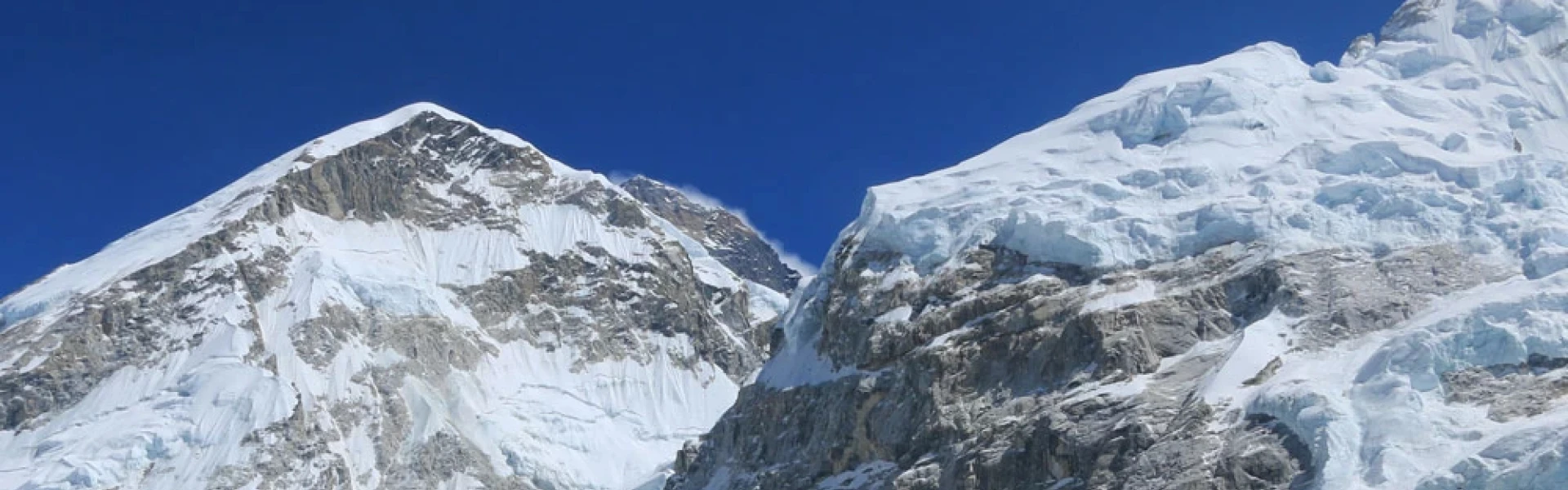
The standard Everest Base Camp Trek from Lukla is one of the best choices if you want to avoid walking on jeep roads.
After flying to Lukla, you begin trekking toward Phakding, Namche Bazaar, Tengboche, Dingboche, Lobuche and eventually Everest Base Camp.
The route follows established footpaths through villages, forests and mountain valleys. You'll cross suspension bridges, walk beside rivers and climb rocky trails, but you won't spend your trekking days following vehicle roads.
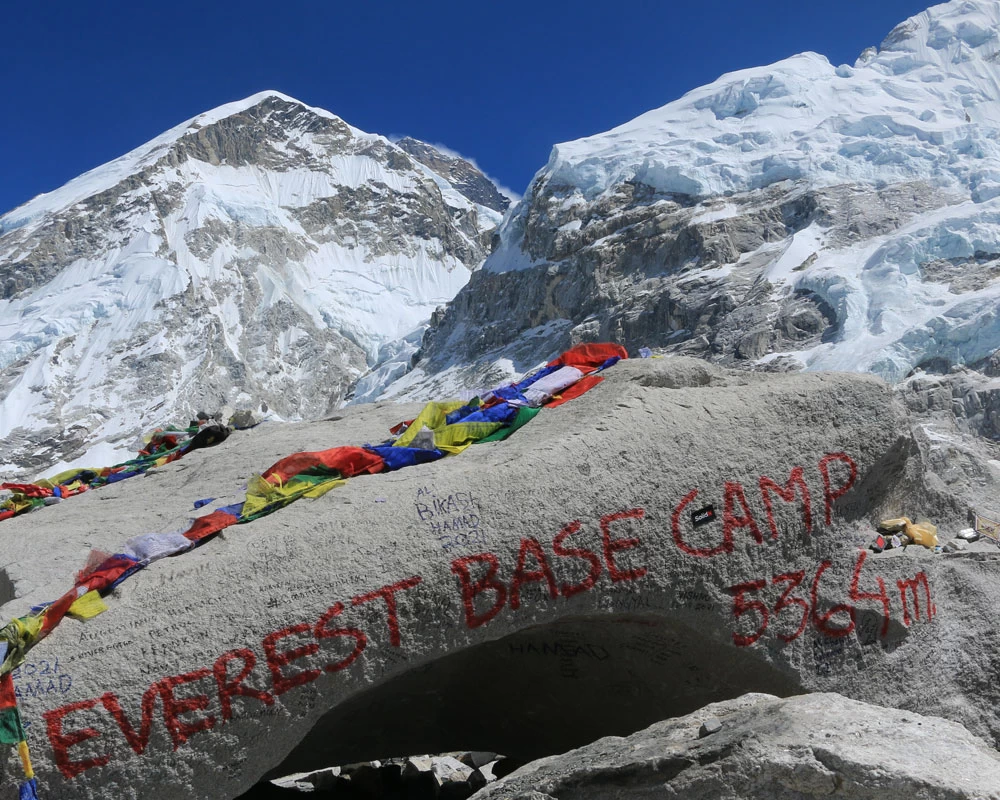
However, a road-free trek doesn't necessarily mean a quiet trek.
The EBC trail can get crowded during spring and autumn, especially around Namche Bazaar and Tengboche.
The biggest drawback is getting to Lukla. Most standard itineraries require a mountain flight, which can be delayed or cancelled because of bad weather.
You can also reach the Everest region overland through places such as Salleri and Surke, but these approaches involve road travel and additional walking.
If avoiding jeep roads during the actual trek is your main priority, the standard Lukla route is one of the most straightforward options.
2. Langtang Valley Trek (Mostly Traditional Mountain Footpaths)
The Langtang Valley Trek is another good option if you want to spend most of your walking days away from vehicle roads.
The traditional route starts from Syabrubesi and follows the Langtang Khola through forests and villages toward Lama Hotel, Langtang Village and Kyanjin Gompa.
Most of this journey follows mountain footpaths rather than jeep tracks.
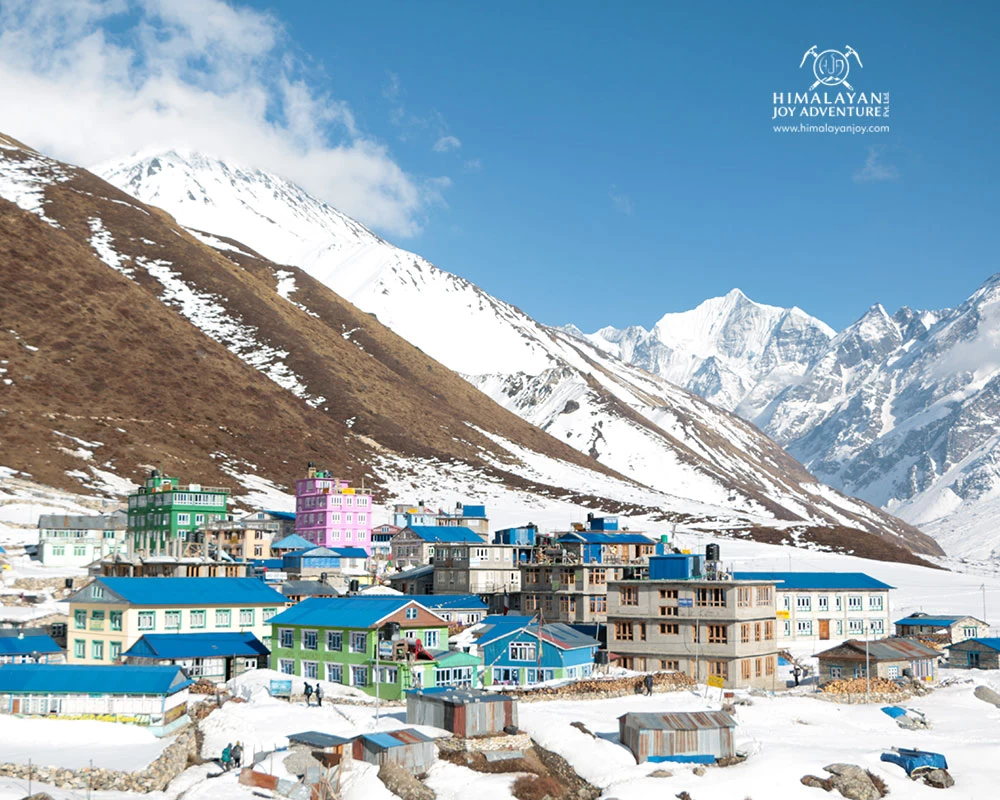
The upper valley, especially between Langtang Village and Kyanjin Gompa, has no regular vehicle roads running alongside the trekking route.
You can also hike to Kyanjin Ri or Tserko Ri, depending on your itinerary, fitness and weather conditions.
However, getting to the trailhead needs extra attention following the August 2026 floods.
The floods damaged roads and access infrastructure around Syabrubesi, which was traditionally the main starting point for the trek.
Since then, alternative approaches through Dhunche and Thulo Syabru have been used to reach the main Langtang Valley trail, joining it around Bamboo and Lama Hotel.
These changes can affect your starting point, lower trail sections and overall walking time.
The main Langtang Valley trail remains a good choice for avoiding jeep roads. Just confirm which approach is currently being used before booking.
3. Mardi Himal Trek (Forest Trails and Ridge Walking)
If you're looking for a shorter trek with minimal jeep-road walking, Mardi Himal Trek is one of the better options in the Annapurna region.
Most itineraries begin with a drive from Pokhara to a trailhead such as Kande or Phedi.
From Kande, trekkers can follow footpaths through Australian Camp and Pothana toward Pitam Deurali. Another approach starts from Phedi and climbs through Dhampus.
The main trail continues through Forest Camp, Low Camp, Badal Danda and High Camp.
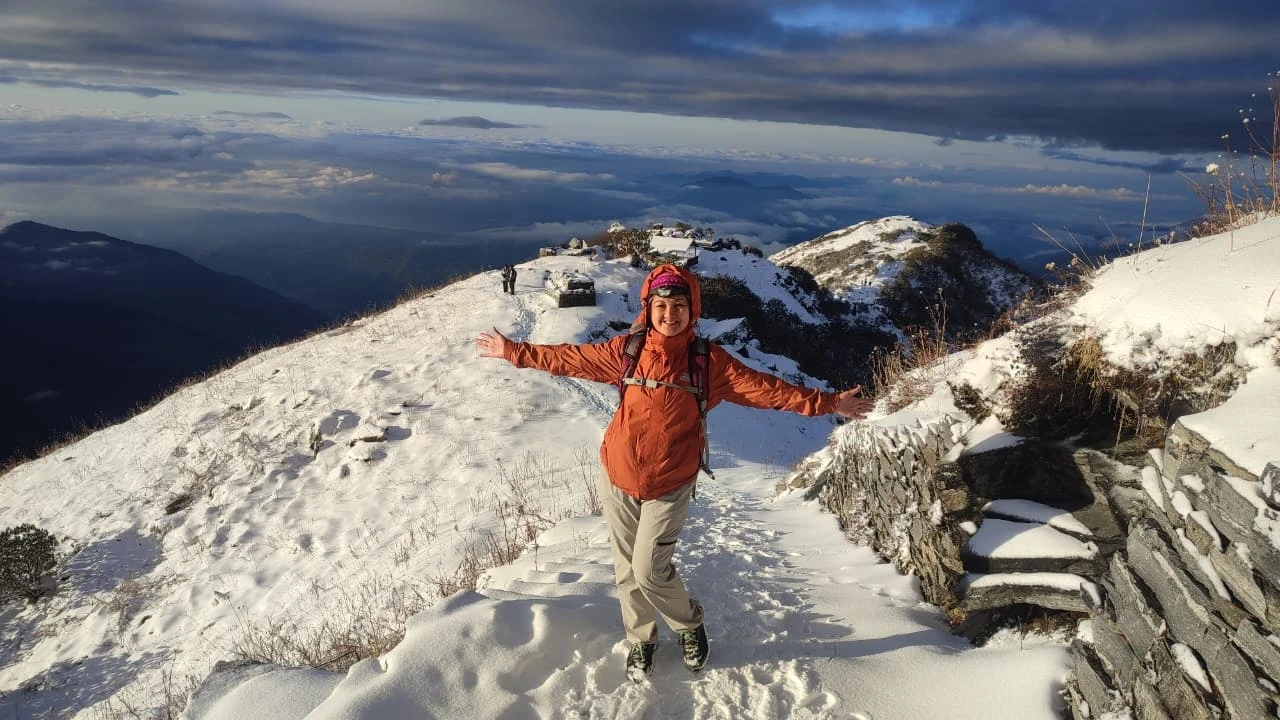
Once you enter the main forest trail beyond Pitam Deurali, you'll spend most of your time on footpaths. The upper ridge toward Mardi Himal Viewpoint is also away from motorable roads.
However, local jeep roads exist around lower settlements, including Dhampus and Pitam Deurali.
The return route matters too.
Many trekkers descend through the forest toward Siding and take a jeep back to Pokhara. Others continue walking through lower villages, where they may encounter more local roads.
To reduce road walking, choose a trailhead with good footpath access and arrange a vehicle for the final road transfer.
With the right itinerary, Mardi Himal offers several consecutive days of forest and ridge walking without spending much time on jeep tracks.
4. Khopra Danda Trek (Long Stretches Away From Motor Roads)
The Khopra Danda Trek, also known as the Khopra Ridge Trek, offers long stretches of walking away from jeep roads.
However, the route you take makes a difference.
One option is to start around Ghandruk or Kimche and continue toward Tadapani, Dobato and Bayeli Kharka before reaching Khopra Ridge.
Much of this route follows forest paths, hillside trails and mountain ridges rather than motorable roads.
The upper sections around Dobato, Bayeli Kharka and Khopra Ridge are particularly good for uninterrupted trail walking.
You can also hike toward Khayer Lake from Khopra Ridge, although this is a demanding high-altitude hike that requires additional time.
The lower sections need more planning.
Jeep roads now reach several traditional starting and ending points, including Ghandruk, Ulleri and nearby villages.
Some itineraries also pass through Ghorepani and other lower settlements where road construction has changed the original walking routes.
That doesn't mean you'll necessarily spend hours walking on jeep tracks.
By choosing a suitable starting point and return route, you can spend most of the trek on mountain footpaths rather than motorable roads.
5. Nar Phu Valley Trek (Remote Walking Trails Beyond Koto)
Nar Phu Valley is a strong option if you want to spend several days walking away from motorable roads.
However, the road-free section doesn't begin immediately.
To reach Nar Phu, trekkers usually travel through Besisahar and Dharapani toward Koto, a village along the Annapurna Circuit route just before Chame.
Depending on road conditions, you can travel much of this distance by jeep. Some itineraries also include walking from Dharapani to Koto, where alternative footpaths can help reduce road walking.
At Koto, the Nar Phu trail branches away from the main Annapurna Circuit.
From here, you follow mountain trails through the Phu Khola valley toward Meta and Phu Village. Longer itineraries continue toward Nar.
These sections are reached on foot. You'll walk on narrow mountain paths, cross bridges and pass through remote valleys without following vehicle roads.
Some itineraries also cross Kang La Pass toward Ngawal, where the trail reconnects with the Annapurna Circuit area.
The main thing to consider is the difficulty.
Nar Phu involves remote terrain, high altitude and, if your itinerary includes Kang La, a challenging high pass.
It's better suited to experienced trekkers who don't mind a long jeep journey to reach several days of remote mountain walking.
Which Popular Nepal Treks Have Jeep Road Sections to Consider?
The Annapurna Circuit and Manaslu Circuit are two popular routes where road construction has changed parts of the original trekking experience.
Both still offer many days of mountain walking, but their lower sections deserve closer attention.
Annapurna Circuit Trek
The Annapurna Circuit is one of the clearest examples of how jeep roads have changed trekking in Nepal.
Traditionally, trekkers walked from Besisahar through the Marsyangdi Valley toward Manang before crossing Thorong La Pass.
Today, roads extend through much of the lower valley toward Manang. On the other side, road access reaches Muktinath and continues through the Kali Gandaki Valley.
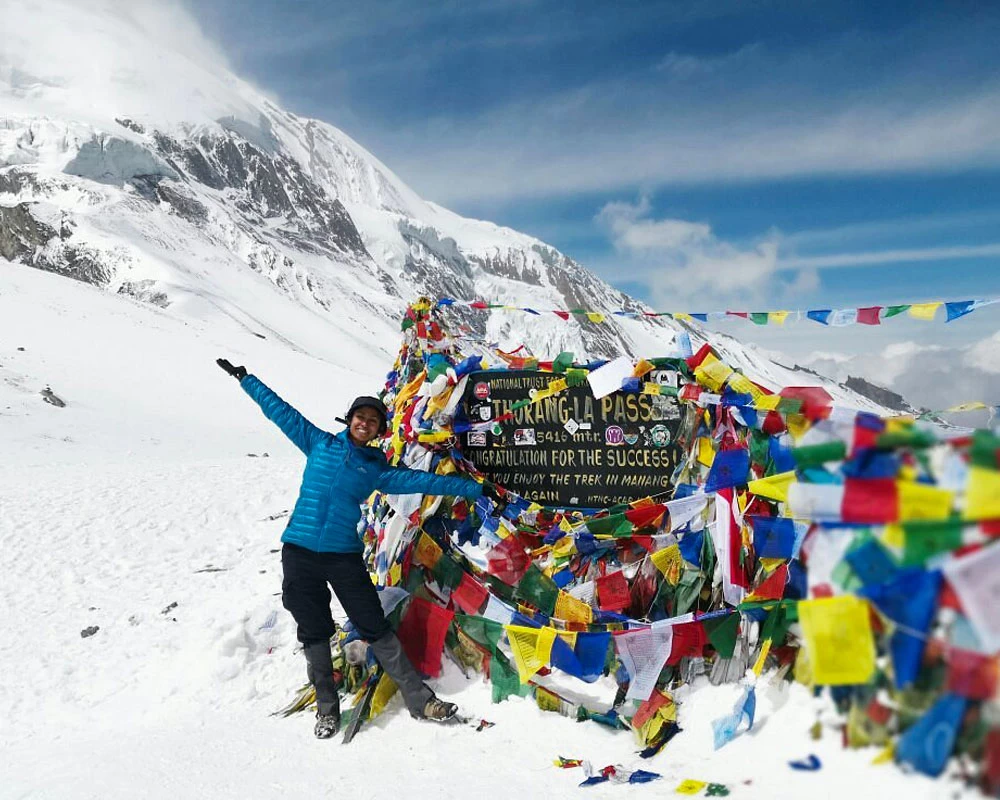
If you follow the original route without adjustments, you may spend considerable time walking on or near jeep tracks.
Fortunately, there are ways to avoid some of these sections.
Many itineraries now begin from Dharapani or Chame, skipping much of the lower road-accessible route.
There are also alternative footpaths, commonly known as the New Annapurna Trekking Trails (NATT), that help trekkers avoid sections of the motor road.
For example, the upper route through Ghyaru and Ngawal allows you to avoid much of the lower road corridor between Pisang and Manang, although some road crossings or shared sections may remain.
Beyond Manang, the trail through Yak Kharka, Thorong Phedi and Thorong La remains a mountain walking route.
On the western side, alternative paths through Lubra and nearby villages can also help reduce road walking, depending on your itinerary.
The Annapurna Circuit is still worth doing, but choosing the right route makes a big difference.
Look for an itinerary that uses alternative footpaths and avoids unnecessary road sections rather than simply following the original village-to-village route.
Manaslu Circuit Trek
The Manaslu Circuit is often recommended as a quieter alternative to the Annapurna Circuit.
It still has long stretches of remote mountain trails, but it isn't completely free from jeep roads.
Road construction along the Budhi Gandaki corridor has changed the lower approach.
Most itineraries now start around Machha Khola instead of walking all the way from Arughat or Soti Khola.
Road access has also extended toward Khorlabesi, while parts of the lower route toward Jagat have been affected by construction, landslides and the 2026 floods.
Depending on current conditions, some sections may involve walking on or near vehicle tracks, while others follow repaired footpaths.
The trekking experience becomes quite different as you move into the upper Manaslu Valley.
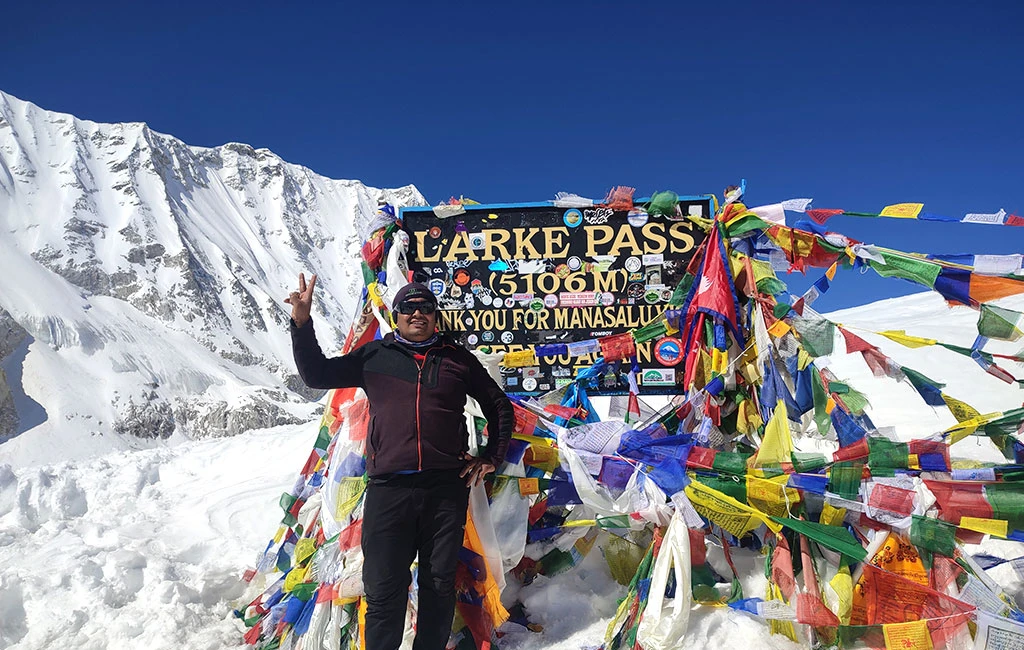
The route through Namrung, Lho, Samagaon and Samdo follows mountain trails, while the high crossing of Larkya La remains inaccessible to vehicles.
After crossing the pass, the trail eventually connects with the road-accessible Annapurna Circuit corridor near Dharapani.
Manaslu still offers plenty of walking away from jeep traffic. However, the amount of road exposure on the lower approach depends on current construction and trail conditions.
If you're choosing Manaslu specifically to avoid roads, confirm the affected sections before finalizing your itinerary.
How Can You Check Whether Your Trek Itinerary Avoids Jeep Roads?
The name of a trek doesn't always tell you how much road walking you'll encounter.
Two itineraries for the same destination can offer very different experiences depending on where you start, which trails you follow and how you return.
Before booking, check these three things.
1. Where does the actual walking begin?
Don't just look at the starting town mentioned in the itinerary.
For example, an Annapurna Circuit itinerary might mention Besisahar, but the actual trek may begin from Dharapani or Chame after a jeep transfer.
Similarly, two Mardi Himal itineraries might start walking from different trailheads.
Ask exactly where you'll leave the vehicle and begin trekking.
2. Will you be walking along jeep roads?
Crossing a road for a few minutes is different from walking along a jeep track for several hours.
Ask whether any trekking day involves long stretches of road walking, especially around lower villages and road-accessible valleys.
If there are any, ask which sections are affected.
This will give you a clearer answer than simply asking whether the trek is road-free.
3. Can those road sections be avoided?
In some areas, old footpaths and alternative trails allow you to avoid jeep roads.
In others, taking a jeep to a better starting point may be the easiest solution.
However, don't shorten the itinerary in a way that removes important acclimatization days or forces you to gain altitude too quickly.
Also, remember that roads and trail conditions change, particularly after the monsoon. An older map or itinerary may no longer reflect the actual route.
It's best to confirm the latest trail conditions with a local guide or trekking operator before finalizing your itinerary.
Conclusion
Several treks in Nepal still offer long stretches of walking away from jeep roads. But the experience depends on where you start, which trails you follow and how you return.
Before booking, check the actual walking route and whether any road sections can be avoided. A few itinerary adjustments can make a big difference.

Cholendra Bahadur Karki (Managing Director)
Call us on WhatsApp+977 9851031957OrChat with us