Mardi Himal Trek is considered a moderate trek suitable for most people with average fitness. This guide explains the trek difficulty, altitude challenges, fitness requirements, and tips to make your journey easier.
How Difficult is Mardi Himal Trek? Difficulty, Fitness & Altitude Guide
Table of Contents
Mardi Himal Trek is often described as one of the best short treks in Nepal. It offers beautiful views of Machhapuchhre (Fishtail), Annapurna South, Hiunchuli, and Mardi Himal without requiring weeks on the trail.
But many trekkers still have a concern before booking the trip: How difficult is Mardi Himal Trek?
The short answer is that Mardi Himal Trek is considered a moderate trek. It is not as easy as a simple hiking trip, but it is also much easier than many high-altitude treks in Nepal.
In this guide, we will look at the Mardi Himal Trek difficulty level, altitude challenges, daily walking hours, fitness requirements, and whether beginners can successfully complete the trek.
Mardi Himal Trek Difficulty Level at a Glance
Factor | Difficulty |
Overall Difficulty | Moderate |
Trek Duration | 4–7 Days |
Maximum Altitude | 4,500 m (Mardi Himal Viewpoint) |
Daily Walking Hours | 5–7 Hours |
Technical Difficulty | Easy |
Altitude Challenge | Moderate |
Suitable for Beginners | Yes, with preparation |
Most people with average fitness can complete the trek successfully. The main challenge is not technical climbing but the combination of uphill walking, long trekking days, and high altitude.
Is Mardi Himal Trek Difficult?
For most trekkers, Mardi Himal is manageable.
The trails are well established, and there are no sections that require climbing skills, ropes, or special mountaineering equipment. You simply follow trekking paths through forests, ridges, and mountain villages.
However, there are some aspects that make the trek challenging:
Continuous uphill and downhill walking
Steep stone stair sections
Long trekking days
High altitude above 3,500 meters
Cold temperatures during winter and early mornings
Many first-time trekkers complete Mardi Himal every year. The trek becomes much easier if you walk at a steady pace and give your body enough time to adjust to the altitude.
What Makes Mardi Himal Trek Challenging?
1) Steep Ascents
One of the biggest surprises for trekkers is how steep some sections can be.
The trail from Forest Camp to Low Camp and then toward High Camp involves a significant elevation gain. While the distance may not seem very long, the uphill sections can feel demanding.
The climb toward High Camp is usually where trekkers begin to feel the effects of altitude and accumulated fatigue.
2) Long Walking Hours
Most itineraries involve walking between 5 and 7 hours per day.
A typical day may include:
Gradual forest trails
Continuous uphill sections
Ridge walks with exposed views
Descents on return days
The trekking itself is not technically difficult, but walking for several consecutive days can be tiring if you are not used to hiking.
3) Altitude
Altitude is another factor that increases the difficulty level.
The highest overnight stop is generally High Camp at around 3,580 meters. Most trekkers then hike to Mardi Himal Viewpoint at approximately 4,500 meters before descending.
As you gain altitude, oxygen levels decrease, making physical activity feel more demanding.
Mardi Himal Trek Altitude and Altitude Sickness
Many people worry about altitude sickness when planning the trek.
While Mardi Himal is lower than Everest Base Camp or Annapurna Circuit, altitude sickness can still occur.
Important Altitudes Along the Route
Location | Altitude |
Kande | 1,770 m |
Forest Camp | 2,520 m |
Low Camp | 2,970 m |
High Camp | 3,580 m |
Mardi Himal Viewpoint | 4,500 m |
Symptoms of mild altitude sickness may include:
Headache
Loss of appetite
Difficulty sleeping
Nausea
Fatigue
Fortunately, most trekkers experience only minor symptoms or none at all.
How to Reduce Altitude Risks
To minimize the chances of altitude sickness:
Walk slowly
Stay hydrated
Avoid alcohol during the trek
Get enough rest
Follow a proper itinerary
Descend if symptoms worsen
Most guided Mardi Himal itineraries are designed with safe altitude gain in mind.
Can Beginners Do Mardi Himal Trek?
Yes. Mardi Himal Trek is one of the best treks in Nepal for beginners who want to experience high Himalayan scenery without committing to a long expedition.
You do not need previous trekking experience. However, beginners should prepare physically before arriving in Nepal. A few weeks of regular exercise can make a huge difference.
Good preparation includes:
Walking or hiking regularly
Climbing stairs
Light jogging
Cycling
Basic strength training
If you can comfortably walk for several hours in a day, you will likely enjoy the trek.
How Fit Do You Need to Be For Mardi Himal Trek?
You do not need an athlete-level fitness. Most healthy people with average fitness can complete the trek.
That said, better fitness usually means:
Less fatigue
Faster recovery
More enjoyable trekking experience
Reduced risk of injury
A simple benchmark is being able to walk uphill for several hours without significant difficulty.
If you already participate in activities like hiking, running, cycling, or gym workouts, you should find the trek manageable.
Mardi Himal Trek Compared to Other Popular Treks
1) Mardi Himal vs Poon Hill Trek
Poon Hill is generally easier. The altitude is lower, and the trek is less physically demanding.
If you are completely new to trekking, Poon Hill may feel more comfortable.
2) Mardi Himal vs Annapurna Base Camp Trek
Annapurna Base Camp is usually more challenging. The trek is longer and involves more trekking days. However, the difficulty difference is not that significant.
Many trekkers who complete Mardi Himal later choose Annapurna Base Camp as their next adventure.
3) Mardi Himal vs Everest Base Camp Trek
Everest Base Camp is significantly harder. The trek is longer, higher, and more physically demanding.
Altitude-related challenges are much greater on the Everest route.
Best Time to Make the Trek Easier
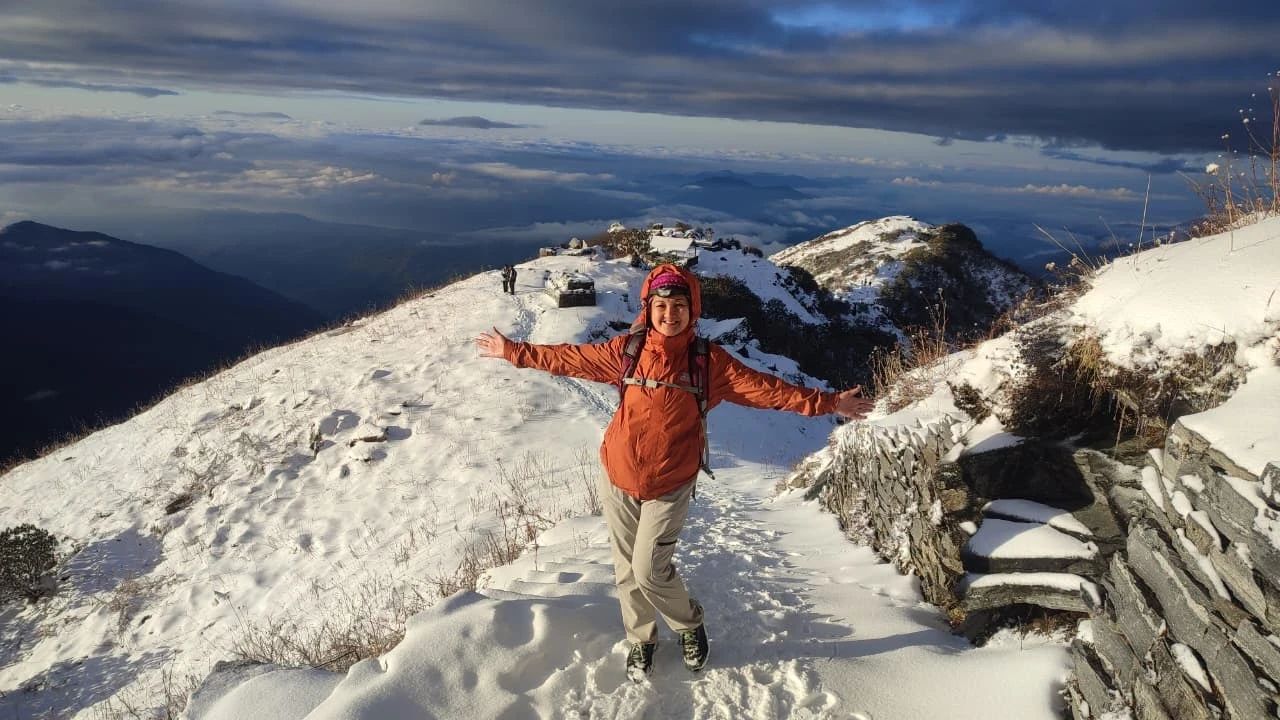
The season you choose can affect the difficulty level. Here are the seasons and the conditions you would face:
1) Spring (March to May)
Spring is one of the best seasons for Mardi Himal trek.
Advantages include:
Stable weather
Comfortable temperatures
Rhododendron forests in bloom
Clear mountain views
2) Autumn (September to November)
Autumn is considered the most popular trekking season in Nepal.
Benefits of doing Mardi Himal trek in this season include:
Excellent visibility
Dry trails
Mild temperatures
Reliable weather
3) Winter (December to February)
Winter increases the difficulty for obvious reasons.
Trekkers may encounter:
Snow-covered trails
Colder temperatures
Frozen sections near High Camp
4) Monsoon (June to August)
Monsoon brings additional challenges:
Muddy trails
Leeches
Reduced mountain views
Higher chance of rain
For beginners, spring and autumn are usually the easiest and the most recommended seasons.
Tips to Make Mardi Himal Trek Easier
A few simple strategies can greatly improve your trekking experience. Here are some trips to keep in mind:
1) Train Before the Trek
Even a few weeks of preparation can help. Focus on walking, stair climbing, and cardio exercises.
2) Pack Light
Heavy backpacks increase fatigue. You should carry only essential items and consider using a porter if it feels needed.
3) Walk Slowly
Many trekkers make the mistake of walking too fast on the first day. A steady pace conserves energy and helps with altitude adjustment.
4) Stay Hydrated
Drink plenty of water throughout the trek. Dehydration can worsen fatigue and altitude symptoms.
5) Get Proper Sleep
Good rest helps your body recover each day. Try to maintain a regular sleep schedule during the trek.
Final Verdict: Is Mardi Himal Trek Difficult?
Mardi Himal Trek is a moderate trek. It is more challenging than a simple hiking trip but easier than many famous high-altitude treks in Nepal. The route does not require technical skills, and most healthy people can complete it successfully.
For beginners with reasonable fitness and proper preparation, Mardi Himal is an excellent introduction to Himalayan trekking. The combination of manageable difficulty, spectacular mountain views, and shorter duration makes it one of the most rewarding treks in the Annapurna region.
If you are looking for a trek that offers a true Himalayan experience without extreme difficulty, Mardi Himal Trek is a fantastic choice.
Planning your trek with an experienced local team like Himalayan Joy Adventure can also make the journey safer and more enjoyable. A knowledgeable guide can help with navigation, pacing, altitude awareness, and local insights, allowing you to focus on enjoying the incredible mountain scenery.
Tika Bahadur Rai (Trek & Tour Leader)
Call us on WhatsApp+977 9851031957OrChat with us