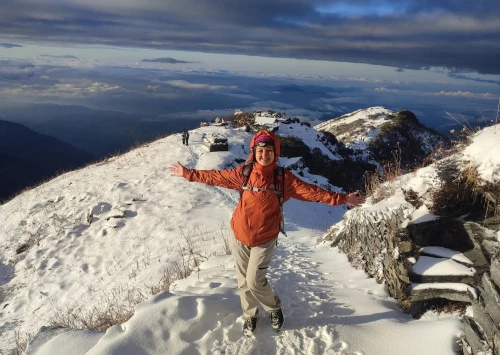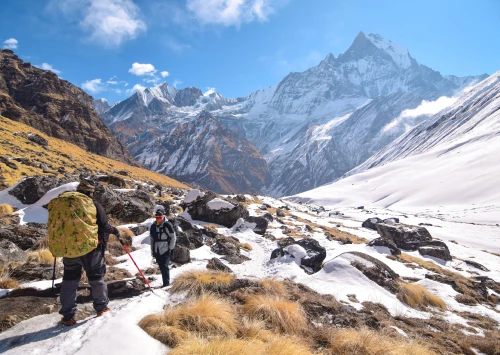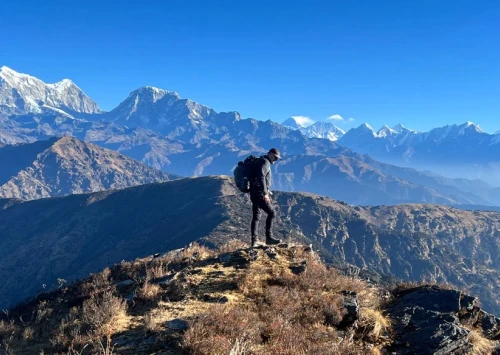
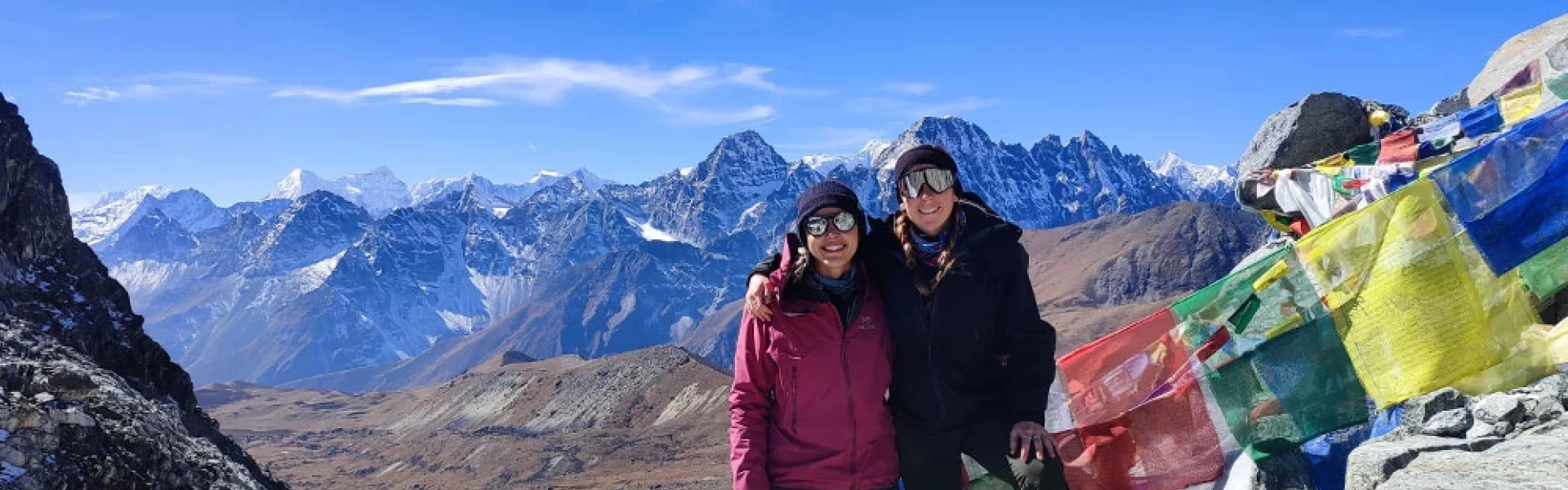
Compare Cho La, Renjo La, and Kongma La to understand which Everest Three Passes crossing is hardest. Learn how altitude, snow, rough trails, long days, and acclimatisation can change the experience.
Cho La vs Renjo La vs Kongma La: Which Everest Pass Is the Hardest?
Table of Contents
Of the three main mountain passes on the Everest Three Passes Trek, Kongma La is usually considered the hardest overall. It is the highest of the three, but altitude is only part of the reason. The crossing combines a long walking day, rough rocky ground, a more isolated route, and a demanding descent when your legs are already tired.
That does not mean Cho La and Renjo La are easy. Cho La can feel harder when there is snow, ice, or slippery ground, especially for trekkers who are not confident on uneven trails. Renjo La is still a serious high-altitude crossing, but in stable weather, many trekkers find it more straightforward than the other two.
Still, “hardest” does not mean exactly the same thing for everyone. A long rocky day, snow-covered ground, and a steep uphill climb can challenge people in very different ways.
In this guide, we compare all three passes in a practical way: what each crossing is really like, what makes it difficult, and which one may feel hardest.
Cho La vs Renjo La vs Kongma La: Quick Comparison
All three passes are above 5,300 m and are normally crossed early in the morning. Weather, acclimatization, trail conditions, and how you feel that day can make a major difference.
| Pass | Approx. Altitude | What Makes It Difficult | Usually Feels Hardest For |
|---|---|---|---|
| Kongma La | 5,535 m | Long day, rough rocky trail, high altitude, and a more remote crossing | Trekkers who struggle with endurance, altitude, or uneven trails |
| Cho La | 5,420 m | Snow or ice, slippery footing, boulder sections, and a cold early start | Trekkers who feel less confident on icy or uneven ground |
| Renjo La | 5,360 m | Long uphill effort, wind near the pass, and a lengthy descent | Trekkers who find steep uphill walking and long descents difficult |
The altitude difference between the passes is not huge on paper. But the experience can feel very different on the trail.
A clear morning, enough rest, proper acclimatization, and a sensible itinerary can make a difficult day feel manageable. Poor sleep, strong wind, fresh snow, or rushing the route can make any of the three passes feel much harder than expected.
Kongma La: Why It Is Usually the Hardest Overall
For many trekkers, Kongma La feels like the toughest day of the Everest Three Passes Trek. At around 5,535 m, it is the highest of the three passes, but altitude is only part of the challenge.
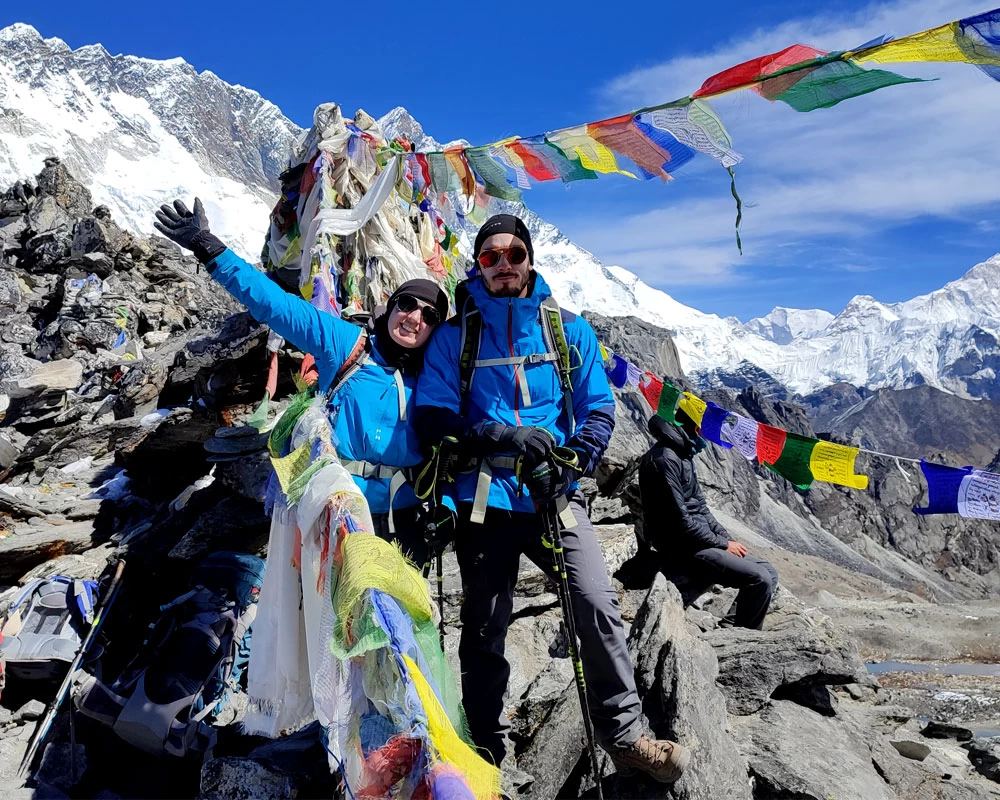
The real difficulty comes from how much the day asks of you: a long crossing, rough ground, a remote route, and a demanding descent after your energy is already low.
In the usual direction from Chhukung towards Lobuche, the day starts early and soon moves away from the familiar lodge-to-lodge rhythm of the Everest region.
Once you leave Chhukung, there are no lodges or reliable places to stop for food, warmth, or a simple change of plan.
You need enough water, snacks, and warm layers for the whole crossing while still keeping your backpack manageable for a long day of walking.
What Makes Kongma La So Demanding?
The climb towards Kongma La is not one smooth uphill trail. It passes through rocky ground, moraine, and uneven sections where progress can feel slower than expected. At this altitude, even a gradual climb can leave you short of breath.
The landscape also feels more open and isolated than the main Everest Base Camp trail. For trekkers who prefer a clear, busy route with regular tea-house stops, that can make the day feel mentally demanding as well as physically tiring.
Reaching the pass is a major achievement, but it is not the end of the effort. The descent towards Lobuche can be hard on tired legs, knees, and ankles. Loose rocks, uneven ground, and the long route through glacier and moraine terrain require steady concentration when you have already been walking for several hours.
There is no single dramatic obstacle that makes Kongma La difficult. Instead, the effort builds gradually through the day, from the early climb out of Chhukung until you finally reach your lodge.
Who May Find Kongma La Especially Hard?
Kongma La can feel particularly difficult for trekkers who struggle with long walking days, loose rocky trails, or being far from the next tea house. It may also feel harder for anyone who has not acclimatized well or arrives there already tired after days around Chhukung, Everest Base Camp, or Kala Patthar.
For those reasons, Kongma La is usually considered the hardest overall pass. It combines the highest elevation with a long, rough, and more isolated crossing that tests both endurance and confidence.
Cho La: Why Snow and Ice Can Make It Feel Harder
Cho La is usually crossed between Dzongla and Thagnak at around 5,420 m. It is lower than Kongma La, but that does not automatically make it easier.
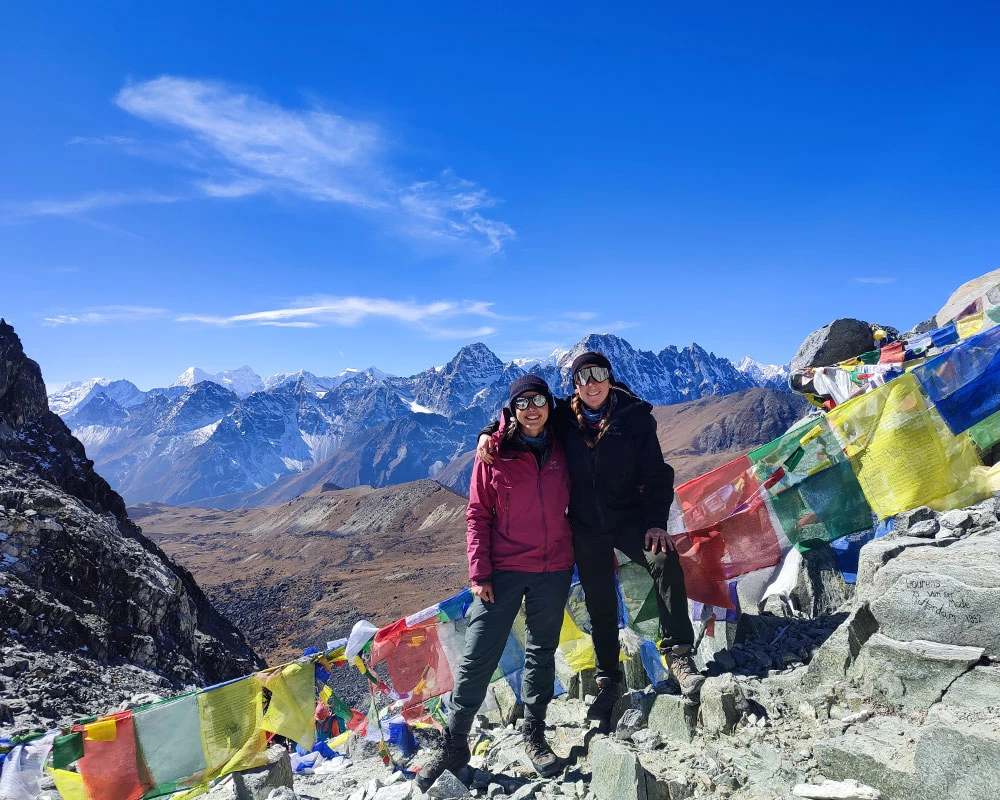
In clear, dry conditions, many trekkers find Cho La more manageable than Kongma La. But when the upper trail has snow, ice, or frozen ground, it can become more difficult and mentally demanding.
The challenge of Cho La is less about one very long and remote day. Instead, it is about moving carefully through changing terrain. The crossing often starts early from Dzongla, when temperatures are still low.
As you climb higher, the trail becomes rougher, with rocks, boulders, and sections where you need to focus on every step rather than simply settle into a steady walking rhythm.
What Makes Cho La Difficult?
The climb towards the pass is steady, but the most demanding part is often near the top and during the descent.
Depending on the season and recent weather, there may be icy patches, compact snow, or hard-frozen ground around the pass. Even without much snow, loose rocks and uneven boulders can slow the group down.
For trekkers who are comfortable on rocky trails, this may feel like a careful but manageable crossing. But for someone who feels nervous about slipping, especially at high altitude, Cho La can use more energy than expected.
You are not only walking uphill. You are also concentrating on balance, foot placement, and staying calm on rough, open mountain ground.
The descent towards Thagnak can be tiring too. Reaching the pass may feel like the main goal of the day, but the difficult walking is not completely over. The route down remains uneven, and boulder sections can feel much harder once your legs are tired.
When Can Cho La Feel Harder Than Kongma La?
Cho La can feel harder than Kongma La when conditions are poor, rather than simply because of altitude or distance.
Fresh snow, icy sections, strong wind, cloud, or poor visibility can make the crossing slower and less comfortable. Trekkers who do not feel confident on slippery ground may find Cho La more intimidating than the longer Kongma La route.
It can also feel harder for people who reach Dzongla already tired from Everest Base Camp, Kala Patthar, or several days of high-altitude walking. At that point, even sections that require extra concentration can feel mentally draining.
In stable weather, Cho La is often more straightforward than Kongma La. But when snow and ice are involved, it can become the pass that many trekkers remember as the most uncomfortable and uncertain crossing of the Three Passes Trek.
Renjo La: Still Serious, but Often the Most Straightforward.
Renjo La is sometimes described as the easiest of the three Everest passes, but that can be misleading. At around 5,360 m, it is still a demanding high-altitude crossing that requires good acclimatization, a long uphill effort, and enough energy for a full day on the trail.
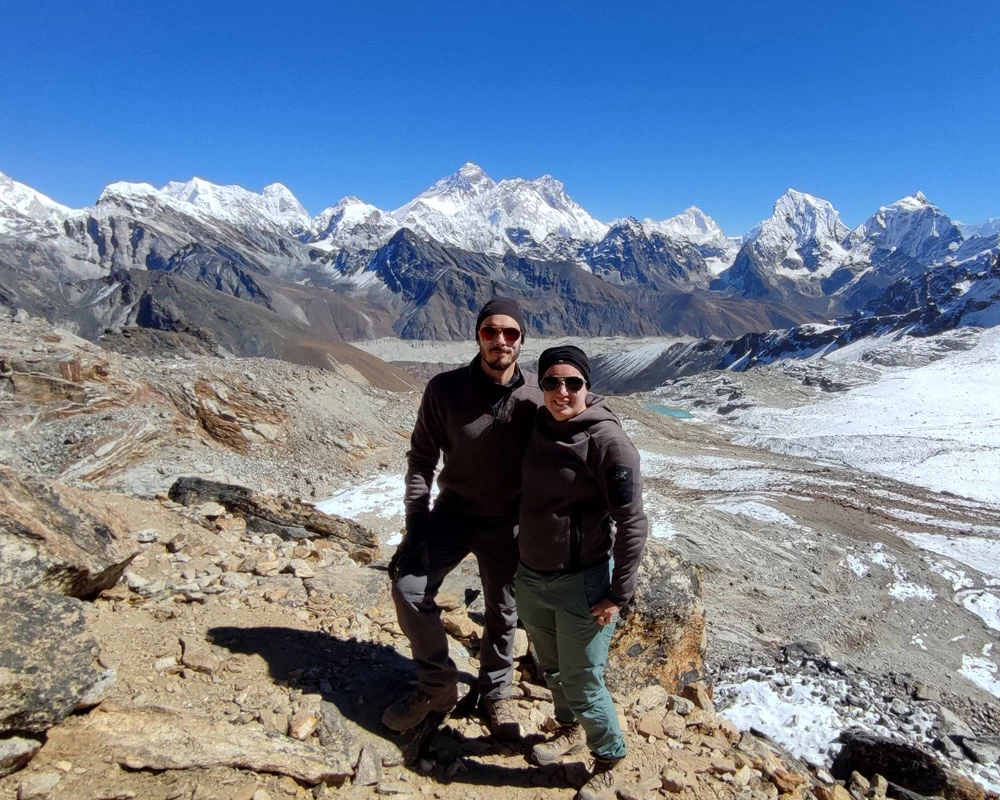
The route connects the Gokyo side of the trek with Lungden and the quieter Thame Valley. Its main challenge is usually easier to understand than the other two passes: a long, steady climb to high altitude, followed by a lengthy descent.
What Makes Renjo La Challenging?
When crossing from Gokyo towards Lungden, the climb to Renjo La is long and gradual rather than short and sharp. As you gain height, your breathing becomes heavier, the air feels colder, and the final section can feel tougher than it first appears.
At this altitude, even a trail that looks manageable on paper can feel slow. The key is to keep a sensible pace, drink regularly, and avoid using too much energy too early in the day.
Wind can also be an important factor near the pass. On a clear morning, the open views over Gokyo Lakes and the surrounding mountains can make the effort feel rewarding. But in cold wind, cloud, or poor visibility, the same open landscape can feel far more demanding.
The descent towards Lungden should not be underestimated either. By the time you leave the pass, your legs may already be tired from the climb. The downhill route can feel long, especially for trekkers who struggle with knee discomfort or feel less confident on uneven ground.
Why Do Many Trekkers Find It More Manageable?
In stable weather, Renjo La often feels more straightforward because the route is generally more open and less awkward underfoot than Kongma La.
It usually does not have the same sense of a long, isolated crossing, and it is less likely to involve the snow or ice that can make Cho La feel stressful.
That does not make Renjo La easy. Its difficulty is simply more predictable. The main test is usually a sustained climb at high altitude, followed by a long descent, rather than constantly changing ground conditions or a rougher and more remote route.
For many trekkers, Renjo La is the most manageable of the three passes when the weather is good and acclimatization has been handled properly. But it still deserves the same preparation, early start, and respect as Cho La and Kongma La.
Why the Hardest Pass Can Be Different for Every Trekker
Kongma La may be the hardest overall for most trekkers, but every pass day is affected by more than its altitude. Weather, acclimatization, energy levels, route direction, and personal confidence on different types of terrain can all change how the day feels.
Weather and Seasonal Conditions
Weather has a major effect on all three passes. Fresh snow and frozen ground can make Cho La much slower and more stressful. Strong wind, clouds, and poor visibility can make the wide open sections of Kongma La and Renjo La feel colder, longer, and more tiring.
This is why pass days need flexibility. A good weather window can make a major difference, while trying to push through poor conditions simply to follow a fixed plan can turn a difficult day into an unnecessarily stressful one.
Your Acclimatization and Energy Level
A pass is never only about its altitude. How well you have acclimatized before reaching it matters just as much.
A trekker who has taken enough time around Namche Bazaar, Dingboche, Chhukung, or Gokyo will usually handle a crossing better than someone trying to save days from the itinerary. Poor sleep, dehydration, low appetite, fatigue, or feeling unwell can make a route that looked manageable on paper feel much harder above 5,000 m.
Energy levels matter too. By the time you reach one of the passes, you may already have completed several long days and side hikes. Reaching the top is only part of the challenge. You still need enough strength and concentration for the descent.
Your Itinerary and Route Direction
The order in which you cross the passes can affect how each one feels. A well-planned Three Passes itinerary gives your body time to adjust gradually before the higher crossings.
The day before a pass also matters. A pass crossed after enough rest can feel very different from one crossed after a long approach or a tiring side hike. There is no route direction that makes the Three Passes Trek easy, but a sensible itinerary gives you a much better chance of coping with the altitude and effort.
Your Personal Strengths and Weaknesses
The pass that feels hardest is often the one that matches the part of trekking you personally find least comfortable. Some trekkers struggle most with long days. Others find rocky ground, snow, or steep climbs more tiring or mentally difficult.
That is why it is better to prepare for all three passes instead of focusing only on altitude numbers.
How to Prepare for Any of the Three Passes
You do not normally need technical climbing skills to cross Kongma La, Cho La, or Renjo La in stable conditions. But you do need enough fitness, enough time for acclimatization, and a realistic understanding of what a high-altitude pass day involves.
The main challenge is rarely one steep section alone. It is the combination of walking above 5,000 m, spending many hours on the trail, dealing with cold or wind, and still needing to descend safely when your legs are already tired.
Prepare for Long Uphill and Downhill Days
Before coming to Nepal, focus on being able to walk for longer periods rather than relying only on short, intense workouts. Hiking uphill, using stairs, and walking on uneven ground will usually prepare you better than training only on flat surfaces.
Downhill strength matters just as much. Many trekkers feel fine during the climb but struggle later when the trail becomes rocky and their knees begin to feel the length of the descent. Training with a loaded daypack and using trekking poles can help you get used to the rhythm of a full trekking day.
Do Not Rush the Acclimatization Plan
A sensible itinerary is one of the most important parts of preparing for the Three Passes Trek. Your body needs time to adjust before you begin crossing passes above 5,300 m.
Do not see acclimatization days as wasted time. A short hike above your overnight village, followed by proper rest, can make a real difference later in the trek. Eating properly, drinking enough water, and paying attention to how your body responds as you gain height are equally important.
Cutting days from the itinerary may seem convenient before the trek begins, but it can make the hardest part of the route far more difficult than it needs to be.
Keep Your Daypack Light but Well Prepared
On a pass-crossing day, you need enough gear to stay warm and comfortable without carrying unnecessary weight. A heavy backpack can make the climb feel much harder at altitude.
Carry the essentials: water, snacks, sunglasses, sunscreen, gloves, a warm layer, a waterproof outer layer, and any medication you normally need. Trekking poles are especially useful on rocky descents and can reduce strain on your knees.
For Cho La in particular, conditions can change after fresh snowfall. Your guide should assess the trail and advise whether you need any additional equipment for that day.
Start Early and Keep a Steady Pace
Pass days usually begin early because weather conditions are often more stable in the morning. An early start also gives you enough time to walk steadily without feeling rushed.
The best pace is one you can maintain for the whole day. There is no benefit in reaching the pass quickly if it leaves you exhausted for the descent. Take short breaks, drink regularly, and keep moving at a rhythm that allows you to breathe comfortably.
At this altitude, slow and steady is usually better than fast and tired.
Be Ready to Change the Plan
Mountain conditions do not always follow the itinerary. Strong wind, fresh snow, poor visibility, or signs that someone is not feeling well can mean changing the plan for the day.
That is not a failure. Reaching every pass is never more important than making safe decisions. A sensible trekker knows when to continue, when to slow down, and when to listen to the guide’s advice.
With proper acclimatization, a light and practical daypack, steady pacing, and respect for the weather, the three passes can be manageable for well-prepared trekkers. The goal is not simply to cross them quickly but to have enough energy and confidence to enjoy the journey across them.
Final Verdict: Which Everest Pass Is the Hardest?
For most trekkers, Kongma La is the hardest overall pass on the Everest Three Passes Trek. Its difficulty comes from the full combination of high altitude, a long walking day, rough rocky ground, and a more isolated crossing away from the main trail.
Cho La can feel harder in snow or icy conditions, particularly for trekkers who are less confident on slippery ground. Renjo La remains a serious challenge, but it often feels more predictable in stable weather, with its main test being a long uphill climb and descent.
The exact answer will still vary from person to person. None of the three passes should be taken lightly. With proper acclimatization, a sensible itinerary, stable weather, and a steady pace, you give yourself the best chance of crossing them safely and enjoying the journey along the way.
Tika Bahadur Rai (Trek & Tour Leader)
Call us on WhatsApp+977 9851031957OrChat with us