Planning an Upper Mustang trek in 2026? Understand the new USD 50-per-day permit rate, solo travel rules, required permits, and agency process before booking.
Upper Mustang Permit 2026: New $50/Day Rate, Solo Trekking & What Actually Changed
Table of Contents
Upper Mustang permit rule has changed in 2026, but the update has also created confusion for travellers planning the trek.
The Nepal Tourism Board currently lists the Upper Mustang Restricted Area Permit at USD 50 per person, per day. Some Department of Immigration pages still show the previous fee structure, so it is best to confirm the final permit rate and required permit days with a registered trekking agency before booking flights or finalizing your itinerary.
Upper Mustang remains a restricted area. Even when travelling alone, you must arrange your permits through a registered agency and trek with a licensed guide.
In this guide, we explain what changed with the permit fee, what solo trekking really means in Upper Mustang, and which requirements have stayed the same.
What Changed With the Upper Mustang Permit in 2026
The key change is that the Restricted Area Permit is now calculated by the number of days you need inside Upper Mustang, rather than being sold as a fixed 10-day permit block.
This is especially useful for travellers planning a shorter itinerary, as they no longer need to pay for 10 days when their route requires less time in the restricted area.
The Old Rule: USD 500 for the First 10 Days
Under the previous system, every foreign traveller had to pay USD 500 for the first 10 days in Upper Mustang, even when their itinerary required fewer days in the restricted area.
After 10 days, an additional USD 50 per person per day applied.
For example, a 7-day Upper Mustang itinerary still required a USD 500 Restricted Area Permit under the former structure.
The New Rule: USD 50 Per Person Per Day
Under the rate currently listed by Nepal Tourism Board, the Upper Mustang Restricted Area Permit costs USD 50 per person, per day.
This means the permit cost is based on the actual number of days required for your itinerary inside the restricted area.
Example Permit Costs for 7, 10 and 14 Days
| Permit Days Required | Upper Mustang RAP Cost |
|---|---|
| 7 days | USD 350 per person |
| 10 days | USD 500 per person |
| 14 days | USD 700 per person |
Note: Some official pages still show older permit information. Before confirming your Upper Mustang trip, our team checks the current permit rate, permit dates, and required documents. Contact us if you would like us to check the permit requirements for your itinerary.
Can You Trek Upper Mustang Solo in 2026?
Yes. One foreign traveller can now visit Upper Mustang without needing to join another trekker just to meet the former two-person permit requirement.
However, this does not mean Upper Mustang is open for fully independent trekking. You can travel alone, but the trip must still be arranged through a registered trekking agency and completed with a licensed guide.
Can One Person Get an Upper Mustang Permit?
Yes. A registered trekking agency can arrange an Upper Mustang Restricted Area Permit for one foreign traveller.
Previously, solo travellers often had to join another departure or find another traveller simply to meet the two-person rule. Now, your permit can be arranged for your own itinerary and travel dates.
Does Solo Mean You Can Trek Without a Guide?
No. A licensed guide is still mandatory in Upper Mustang.
The updated rule removes the need for another trekker. It does not allow guide-free travel inside the restricted area. This applies whether you are trekking, travelling partly by jeep, or following a private itinerary.
Permits Required for Upper Mustang
Upper Mustang remains a restricted area, and you will need the following permits before entering the route.
Upper Mustang Restricted Area Permit (RAP)
The Upper Mustang Restricted Area Permit (RAP) is the main permit required to enter the restricted part of the region. Its cost is calculated according to the number of permit days needed for your itinerary.
Annapurna Conservation Area Permit (ACAP)
You also need an Annapurna Conservation Area Permit, commonly called ACAP.
Upper Mustang lies within the Annapurna Conservation Area, so the ACAP is required in addition to the Restricted Area Permit. For foreign travellers, the current ACAP fee is NPR 3,000 per person. SAARC nationals pay NPR 1,000 per person.
The RAP and ACAP serve different purposes. The RAP allows entry into the restricted Upper Mustang zone, while the ACAP covers entry into the wider Annapurna Conservation Area.
Do You Need a TIMS Card for Upper Mustang?
Yes. A TIMS card is also required for Upper Mustang.
TIMS stands for Trekkers’ Information Management System. It records trekker, guide, agency, and route information for trekking management and safety purposes.
The TIMS fee is currently NPR 2,000 per person for non-SAARC travellers and NPR 1,000 per person for SAARC nationals. Your agency normally arranges it together with the RAP and ACAP before the trek begins.
Steps to Get Your Upper Mustang Permit
Getting an Upper Mustang permit is usually simple once your itinerary is finalized. You do not need to visit the immigration office or handle the application yourself.
Here is how the process normally works.
Step 1: Book Through a Registered Trekking Agency
You cannot arrange an Upper Mustang Restricted Area Permit independently.
A government-registered trekking agency in Nepal must apply for the permit on your behalf. The agency will usually arrange your Restricted Area Permit (RAP), ACAP entry permit, licensed guide, and any other documents required for your final route.
Before confirming your trek, ask the agency for a clear list of what is included in the booking. This may include permits, guide service, transport, accommodation, porter service, meals, and other logistics.
Step 2: Send Your Basic Documents
Your agency will need some details before applying for the permits. In most cases, you will be asked to send:
- A clear colour scan or photo of your passport information page
- A recent digital passport-size photo, if requested
- Your planned Upper Mustang itinerary
- Your expected travel dates
- Your arrival date in Nepal
- Your Nepal visa details, if needed after you arrive
Bring your original passport with you to Nepal. It is also sensible to keep a digital passport copy saved on your phone and email.
Your agency may ask for your travel insurance details as well, especially for safety planning and emergency support.
Step 3: Confirm Your Route and Permit Dates
Your Upper Mustang permit is issued for specific dates and a specific route. This is why your itinerary needs to be confirmed before the agency applies.
The permit duration is based on the days you will actually spend inside the restricted area, not on the full length of your Nepal holiday.
Before the application is submitted, make sure you and your agency agree on:
- Your planned entry and exit dates for Upper Mustang
- The number of permit days required
- Any extra days you may spend inside the restricted area
- Whether your trip includes trekking, jeep travel, or both
- The current permit fee and what it covers
This small check is important because changing permit dates later can be difficult or may involve extra costs.
Step 4: Let Your Agency Apply for the Permits
Once your documents, route, and travel dates are confirmed, your agency will submit the permit applications.
This is also when they will usually finalize your guide, ACAP entry permit, and other required trekking documents.
Before departure, ask whether you will receive printed copies, digital copies, or both. Keep your permit copies accessible during the trip, as they may be checked at road or trail checkpoints.
Step 5: Double-Check Before Booking Fixed Transport
Before booking non-refundable flights, jeep transfers, or other fixed travel arrangements, make sure the permit dates match your confirmed itinerary.
This matters especially if your trip involves flights to or from Jomsom, where weather can sometimes affect travel plans.
It is also worth asking your agency what happens if weather, road conditions, or flight delays force a change to the itinerary. Confirming these details early can help you avoid unnecessary permit changes, transport changes, or extra costs later.
Is Upper Mustang Worth Visiting in 2026?
For many travellers, Upper Mustang is worth visiting in 2026.
The updated permit arrangement has made the trip more flexible for solo travellers and people planning shorter itineraries. But the permit change is not the main reason to visit Upper Mustang.
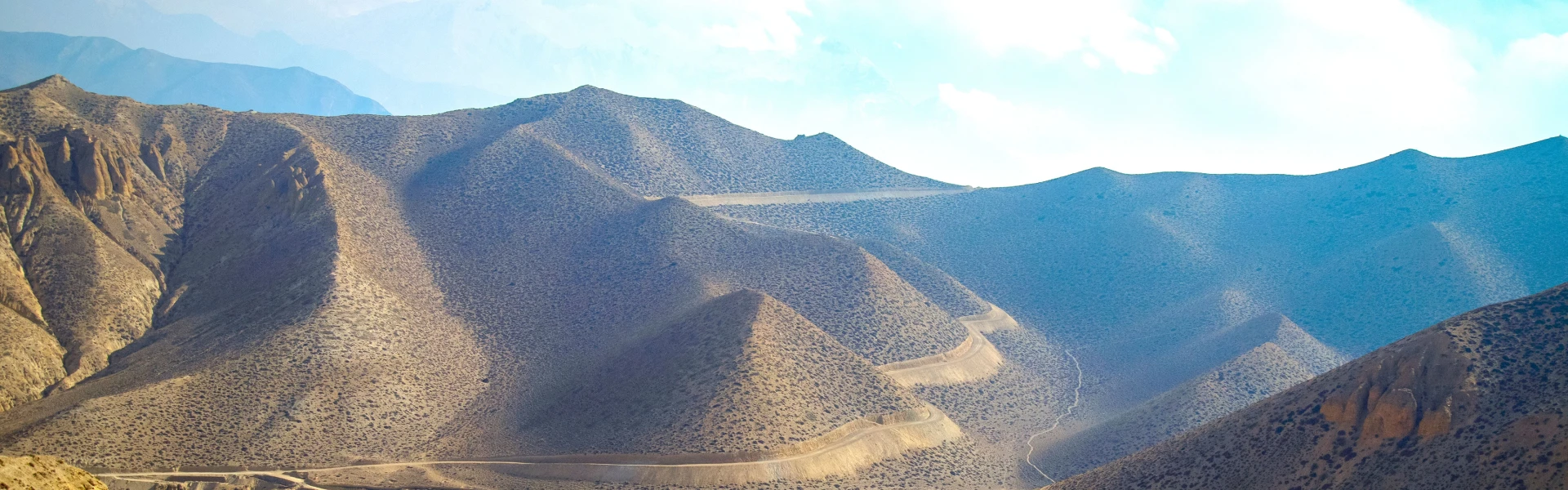
Upper Mustang offers a very different experience from Everest, Langtang, or Annapurna. The landscape is dry and open, with wide valleys, rocky hills, old villages, and mountain passes. Rather than following busy trekking trails, you travel through a region shaped by Tibetan Buddhist culture and a long history of trade with Tibet.
Places such as Kagbeni, Ghami, Tsarang, and Lo Manthang are a big part of what makes the journey special. Along the way, you will see traditional houses, prayer flags, old monasteries, and villages that remain closely connected to their local culture.
Some travellers explore Upper Mustang mainly on foot, while others travel by jeep. Many choose a combination of both, depending on their time, fitness level, and the kind of experience they want.
Upper Mustang may not suit everyone. If your main priority is seeing large snow-covered peaks every day, another trek in Nepal may be a better match. The journey also requires some flexibility, as weather, road conditions, and transport delays can sometimes affect the plan, especially around Jomsom and the upper valley.
However, for travellers looking for quiet landscapes, old villages, monasteries, and a side of Nepal that feels very different from the usual trekking routes, Upper Mustang is one of Nepal’s most rewarding journeys.
Explore our Upper Mustang Trek package to see a suggested itinerary, travel options, and what is included.
Cholendra Bahadur Karki (Managing Director)
Call us on WhatsApp+977 9851031957OrChat with us