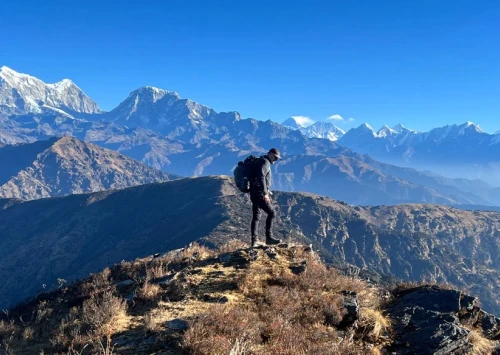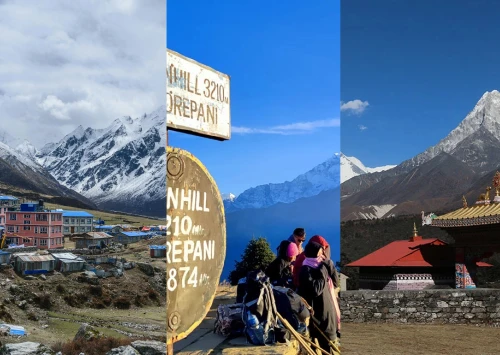
Close views, a quieter final approach, and a shorter route make Ama Dablam Base Camp appealing, but the trek will not suit every traveler.
Is the Ama Dablam Base Camp Trek Worth It?
Table of Contents
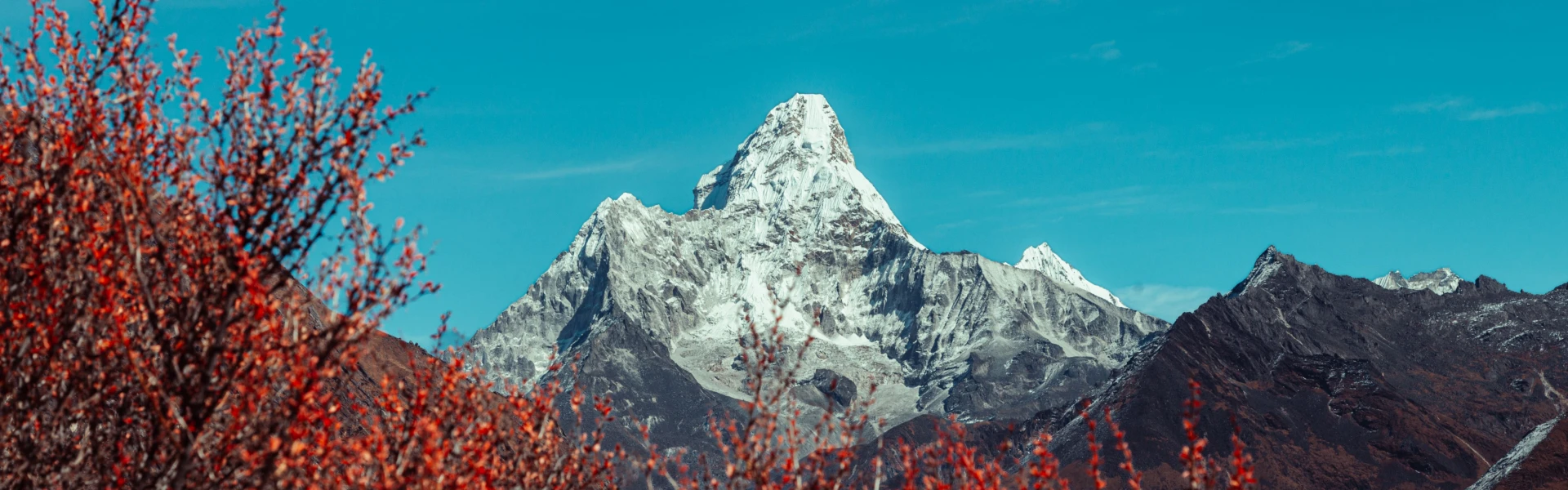
Ama Dablam is one of the most iconic mountains in the Everest region. Its steep ridges and distinctive summit dominate the skyline between Namche Bazaar and Pangboche, often drawing as much attention as Everest itself. Yet relatively few trekkers continue to its base camp.
The Ama Dablam Base Camp Trek follows the classic Khumbu route through suspension bridges, Sherpa villages, forests, and mountain monasteries. Near Pangboche, it leaves the busy Everest Base Camp trail and enters a quieter valley beneath Ama Dablam. With each step, the mountain appears larger, steeper, and more imposing.
That quieter setting is a major part of the trek’s appeal, but it also raises an important question: is Ama Dablam Base Camp worth visiting as a separate trek, or does it make more sense as an addition to an Everest Base Camp itinerary? It is lower, less famous, and often visited as a day hike from Pangboche rather than as the main objective of a longer journey.
This guide takes an honest look at the route, scenery, difficulty, limitations, and overall experience to help you decide whether the Ama Dablam Base Camp Trek is worth adding to your itinerary.
Quick Answer: Is the Ama Dablam Base Camp Trek Worth It?
Yes, the Ama Dablam Base Camp Trek is worth it for travelers who want close-up mountain views, Sherpa villages, and a quieter final approach. The hike from Pangboche leads into the valley beneath Ama Dablam and requires no technical climbing experience.
However, much of the journey follows the main Everest Base Camp trail, and the base camp is usually visited as a day hike rather than an overnight destination. It is also less recognized than Everest Base Camp, which may matter to travelers seeking a famous trekking milestone.
As a standalone trek, it suits those with limited time or a greater interest in scenery and quieter trails. It can also be added to an Everest Base Camp itinerary if the schedule allows an extra day.
What Is the Ama Dablam Base Camp Trek?
The Ama Dablam Base Camp Trek is a high-altitude journey to Ama Dablam’s expedition base camp at around 4,600 m. Most itineraries follow the main Everest trail to Pangboche before turning toward the mountain. The base camp is usually visited as a day hike from Pangboche, although overnight camping can also be arranged.
Despite its name, the trek does not involve climbing Ama Dablam. Reaching the base camp requires no ropes, crampons, or mountaineering skills. It can be completed as a shorter standalone trek or added to an Everest Base Camp itinerary with enough time for proper acclimatization.
What Is the Ama Dablam Base Camp Route Actually Like?
The route begins on the main Everest trail before turning into quieter and more open terrain beyond Pangboche. Rather than following one continuous climb, it passes through river valleys, forests, villages, and exposed mountain landscapes.
Lukla to Namche Bazaar
The first section follows the Dudh Koshi Valley through villages, pine forests, and suspension bridges. The trail rises and falls frequently before the longer climb to Namche Bazaar.
This section is busy during the main trekking seasons because it is shared by travelers heading toward Everest Base Camp, Gokyo, and other parts of the Khumbu. Most itineraries include an acclimatization day in Namche before continuing higher.
Namche Bazaar to Tengboche
Beyond Namche, the trail opens to views of Ama Dablam, Everest, Lhotse, and the surrounding mountains. It then descends to the river before climbing through forest to Tengboche.
Tengboche Monastery gives this section a strong cultural character, while Ama Dablam stands prominently across the valley.
Tengboche to Pangboche
The trail continues through forests and small settlements before reaching Pangboche. The landscape gradually becomes more open and mountainous as the route gains elevation.
Pangboche is usually the final overnight stop before the hike to Ama Dablam Base Camp. From here, the mountain appears noticeably closer.
Pangboche to Ama Dablam Base Camp
The trail leaves the main Everest route and enters a broad valley beneath Ama Dablam. It crosses open grassland and rocky ground, with fewer villages and trekking groups along the way.
As you approach the base camp, Ama Dablam dominates the landscape. After spending time there, most trekkers return to Pangboche along the same route.
What Makes the Ama Dablam Base Camp Trek Worth It?
A Much Closer View of Ama Dablam
Ama Dablam is visible from many points along the Everest trail, but the perspective changes near its base camp. The mountain rises directly above the valley, revealing steep ridges, hanging ice, and details that are difficult to see from farther away.
For many trekkers, this is the main highlight of the journey.
A Quieter Trail Beyond Pangboche
The trail from Lukla to Pangboche can be busy during the main trekking seasons. After turning away from the Everest Base Camp route, however, the number of trekkers usually decreases.
This quieter final approach gives you more space to enjoy the surrounding landscape.
Sherpa Villages and Monasteries
The route passes through some of the Khumbu’s best-known settlements. Namche Bazaar, Tengboche, and Pangboche each offer something different, from mountain markets and monasteries to traditional village life.
These places add cultural depth to the journey rather than making it only a walk to base camp.
The Atmosphere of an Expedition Base Camp
During the main climbing seasons, Ama Dablam Base Camp may be filled with expedition tents, climbing teams, guides, and support staff preparing for summit attempts.
This gives trekkers a glimpse into how a Himalayan expedition operates. Outside the climbing seasons, the area can be much quieter, so the experience partly depends on when you visit.
High-Altitude Scenery Without Technical Climbing
The trek reaches around 4,600 m and takes you beneath one of Nepal’s best-known climbing peaks. However, reaching the base camp normally requires no mountaineering skills or technical equipment.
It is therefore suitable for trekkers who want a high-altitude Himalayan experience without attempting a summit.
A Shorter Way to Experience the Khumbu
The trek includes many features associated with the Everest region, including mountain flights, Sherpa villages, monasteries, high-altitude trails, and close Himalayan views.
It does not go as far or as high as Everest Base Camp, making it a practical option for travelers who want a shorter and more focused Khumbu trek.
What Might Make the Trek Less Worth It?
Much of the Route Follows the Everest Base Camp Trail
From Lukla to Pangboche, the trek follows the same route used by Everest Base Camp trekkers. Sections around Namche Bazaar and Tengboche can therefore be busy during the main seasons.
Travelers expecting a quiet trail throughout may find the early stages less remote than expected.
The Base Camp Visit Can Feel Brief
Ama Dablam Base Camp is usually visited as a day hike from Pangboche. After spending some time at the base camp, most trekkers return to the village the same day.
Although the mountain views are impressive, the visit may feel brief compared with treks where the destination becomes an overnight stop.
The Return Route Retraces the Same Trail
After visiting the base camp, most itineraries return through Pangboche, Tengboche, Namche Bazaar, and Lukla.
This is common in the Everest region, but it may not appeal to travelers who prefer loop routes and new scenery each day.
It Is Less Recognized Than Everest Base Camp
Ama Dablam is one of Nepal’s most recognizable mountains, but its base camp is far less famous than Everest Base Camp.
Travelers who value reaching a well-known trekking milestone may therefore find Everest Base Camp more meaningful.
Expedition Activity Depends on the Season
Ama Dablam Base Camp is busiest during the main climbing seasons. At other times, there may be few expedition tents, climbers, or support teams.
The mountain scenery remains impressive, but travelers hoping to experience an active expedition camp should plan their visit carefully.
How Difficult Is the Ama Dablam Base Camp Trek?
The Ama Dablam Base Camp Trek is generally considered moderate, although its difficulty depends on your fitness, pace, and ability to adjust to the altitude.
Daily Walking
Most days involve several hours of walking on uneven trails with regular climbs and descents. The hike from Pangboche to base camp can feel demanding because of the altitude and exposed terrain, even though it is usually completed in one day.
Altitude and Acclimatization
Ama Dablam Base Camp lies at around 4,600 m, where trekkers may experience headaches, tiredness, or shortness of breath. A gradual itinerary with an acclimatization day in Namche Bazaar helps lower the risk of altitude problems.
Technical Difficulty
The route normally requires no technical climbing skills. Under standard trekking conditions, it does not involve ropes, crampons, or glacier travel.
Weather and Trail Conditions
Cold temperatures, strong winds, snow, and poor visibility can make the final approach more difficult. Conditions are generally more stable during the main spring and autumn trekking seasons.
Fitness and Experience
Previous high-altitude trekking experience is helpful but not essential. Trekkers with reasonable fitness and preparation should be able to complete the route when the itinerary allows enough time for acclimatization.
Ama Dablam Base Camp vs Everest Base Camp
Both treks follow the same route through Lukla, Namche Bazaar, and Tengboche before separating near Pangboche. The Ama Dablam route turns toward the mountain, while the Everest Base Camp trail continues deeper into the Khumbu through Dingboche, Lobuche, and Gorak Shep.
Factor | Ama Dablam Base Camp | Everest Base Camp |
Main attraction | Standing directly beneath Ama Dablam | Reaching the base of Mount Everest |
Approximate elevation | 4,570–4,600 m | 5,364 m |
Trek length | Usually shorter | Usually longer |
Final approach | Quieter beyond Pangboche | Busier and more established |
Mountain experience | Close views of Ama Dablam | Wider views of Everest, Lhotse, Nuptse, and the Khumbu |
Recognition | Less widely known | One of the world’s best-known trekking destinations |
Best suited for | A shorter, quieter Khumbu trek | A longer trek with a famous final objective |
Ama Dablam Base Camp offers a shorter and more focused experience, with close views of one mountain and a quieter final approach.
Everest Base Camp is longer, higher, and more widely recognized. Everest itself is not clearly visible from the base camp, so many itineraries include Kala Patthar for better views.
Neither trek is better for everyone. The right choice depends on whether you prefer a quieter close-up mountain experience or a longer journey to a famous trekking landmark.
Should You Trek to Ama Dablam Base Camp Separately?
Ama Dablam Base Camp works well as a separate trek for travelers who want to experience the Khumbu without continuing to Everest Base Camp. The route still passes through Lukla, Namche Bazaar, Tengboche, and Pangboche, so it feels like a complete trek rather than a short side trip.
It is a good choice for those with limited time, a particular interest in Ama Dablam, or a preference for a lower final elevation.
However, travelers already planning the Everest Base Camp Trek may find it more practical to add Ama Dablam Base Camp to the same itinerary.
Who Is the Ama Dablam Base Camp Trek Best For?
Travelers Seeking a Shorter Khumbu Trek
The trek suits travelers who want to experience Lukla, Namche Bazaar, Tengboche, and Pangboche without continuing to Everest Base Camp. It offers a complete journey within a shorter itinerary and reaches a lower final elevation.
Mountain Photography Enthusiasts
Ama Dablam remains visible throughout much of the route, with the closest and most dramatic views appearing near Pangboche and the base camp.
Travelers Who Prefer a Quieter Final Approach
Although the trail to Pangboche can be busy, the route to Ama Dablam Base Camp receives fewer trekking groups and feels more peaceful.
Trekkers Returning to the Everest Region
For those who have already completed the Everest Base Camp Trek, Ama Dablam Base Camp offers a different objective while revisiting some of the lower Khumbu.
Should You Add Ama Dablam Base Camp to the Everest Base Camp Trek?
Ama Dablam Base Camp can be added as a day hike from Pangboche, usually requiring one extra day. It is often better visited on the return journey, when trekkers are already acclimatized.
The side trip is worthwhile for those with enough time and a particular interest in Ama Dablam. However, the main Everest Base Camp itinerary should not be rushed or shortened to include it.
Travelers on a limited schedule may be better following a well-paced standard itinerary.
When Is the Ama Dablam Base Camp Trek Most Worthwhile?
Spring and autumn generally provide the clearest mountain views and the most stable trekking conditions.
Spring may bring expedition activity to the base camp, while autumn often offers sharp visibility. The main trail can be busy in both seasons, although the route beyond Pangboche usually receives fewer trekkers.
Winter is quieter but much colder. The monsoon season is less suitable because rain, clouds, and flight disruptions can affect the journey.
Final Verdict: Is the Ama Dablam Base Camp Trek Worth It?
Yes, the Ama Dablam Base Camp Trek is worth it for travelers who want close views of Ama Dablam and a shorter Khumbu journey.
It works well as a standalone trek for those with limited time and can also be added to an Everest Base Camp itinerary when an extra day is available.
However, travelers who prefer a higher destination, a longer route, or a famous trekking milestone may find Everest Base Camp more rewarding. Ama Dablam Base Camp is not a replacement for EBC but a different experience for travelers with different priorities.
Frequently Asked Questions
Can Beginners Trek to Ama Dablam Base Camp?
Yes. Beginners with reasonable fitness can complete the trek with a gradual itinerary and proper acclimatization.
How High Is Ama Dablam Base Camp?
Ama Dablam Base Camp lies at approximately 4,570 to 4,600 m.
Do You Need Climbing Experience?
No. The trek normally requires no ropes, crampons, or mountaineering experience.
Do Trekkers Sleep at Ama Dablam Base Camp?
Most itineraries visit it as a day hike from Pangboche. Overnight camping can be arranged but requires additional equipment, staff, and planning.
Can It Be Added to the Everest Base Camp Trek?
Yes. It is usually added as an extra day from Pangboche, often during the return journey.
Is Ama Dablam Base Camp Less Crowded Than Everest Base Camp?
The shared trail from Lukla to Pangboche can be busy, but the final approach to Ama Dablam Base Camp usually receives fewer trekkers.
Tika Bahadur Rai (Trek & Tour Leader)
Call us on WhatsApp+977 9851031957OrChat with us