
Trip Highlights
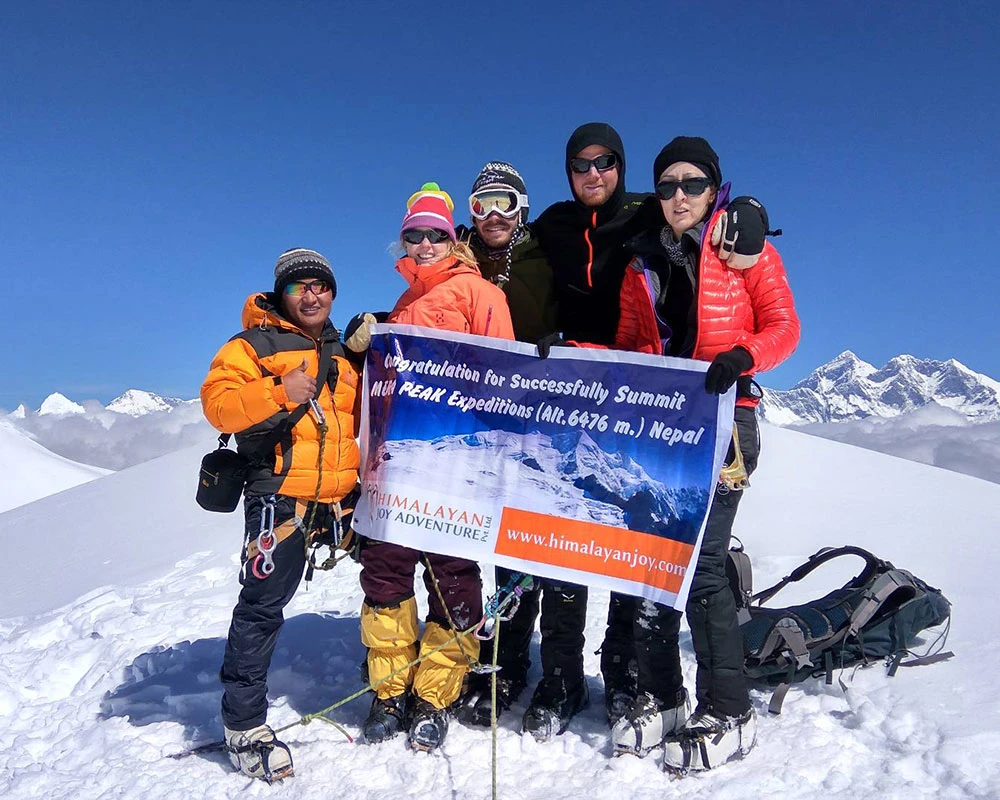
- Reach the summit of Mera Peak (6,476m), the highest trekking peak in Nepal
- Trek through the remote and less-crowded Hinku Valley away from the busy Everest Base Camp trail
- Witness panoramic views of Everest, Lhotse, Makalu, Cho Oyu, and Kanchenjunga from the summit
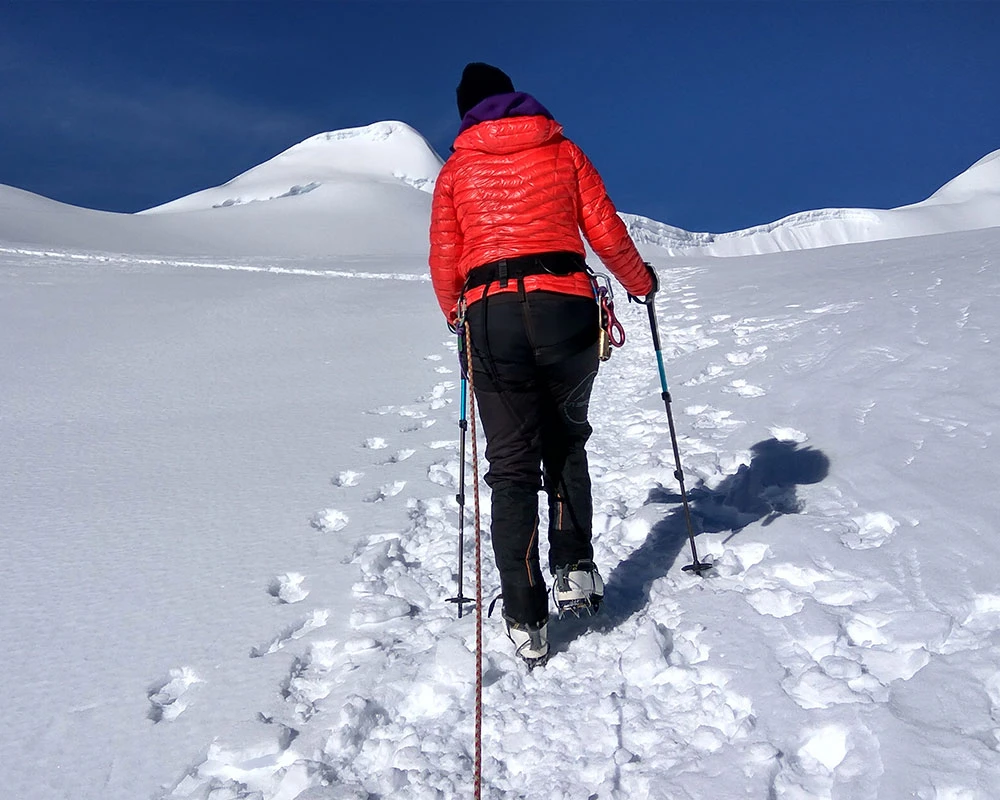
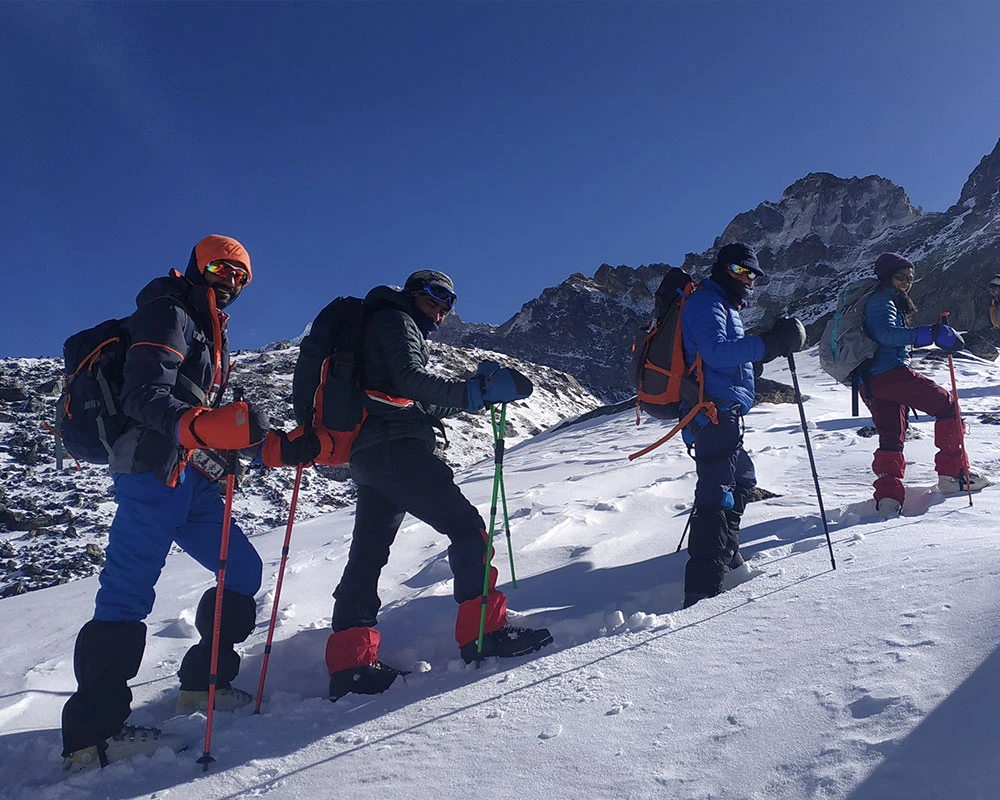
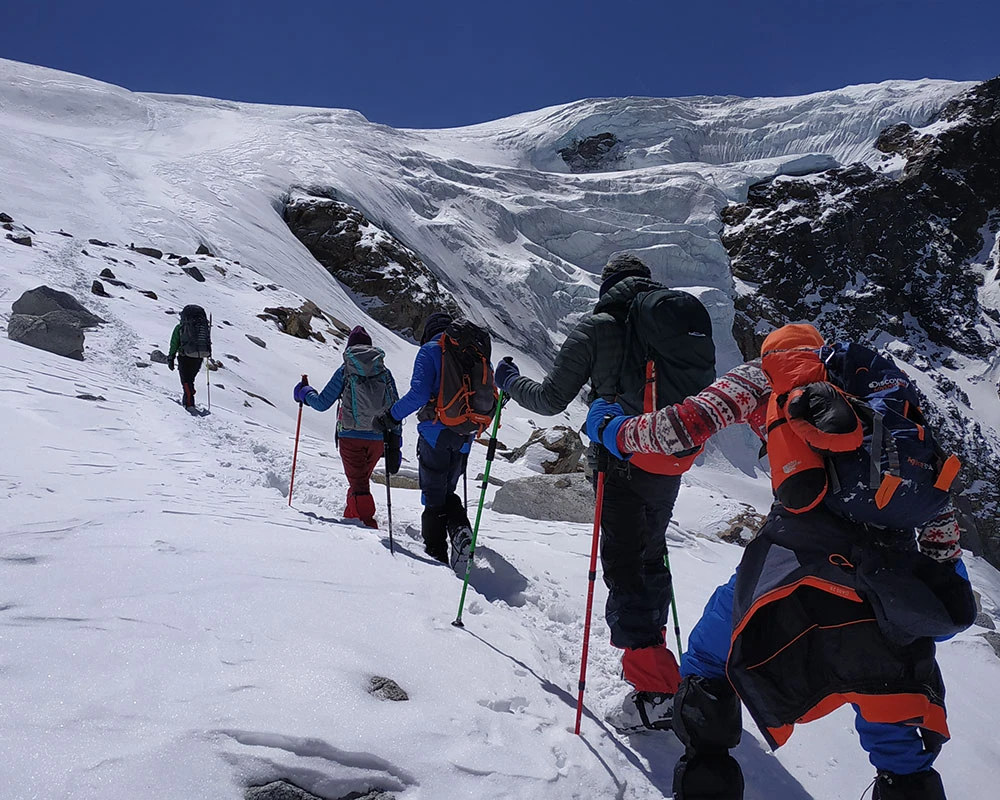
- Experience glacier walking and basic Himalayan peak climbing with experienced Sherpa guides
- Climb with experienced climbing leaders focused on safety, proper acclimatization, and higher summit success rates
- Enjoy trekking-to-climbing, suitable for trekkers attempting their first Himalayan peak climb
Mera Peak Climbing Overview
Mera Peak Climbing is one of Nepal’s most popular trekking peak adventures, combining remote Himalayan trekking with a high-altitude climbing experience. At 6,476 meters, it is the highest trekking peak in Nepal and is especially known for its incredible mountain views from the top.
The journey begins with a flight to Lukla before entering the Hinku Valley. Compared to the main Everest route, the trail feels far more peaceful and remote, passing through forests, alpine valleys, glaciers, and high mountain landscapes along the way.
The route gradually climbs through places like Chutanga, Kote, Thangnag, and Khare before reaching Mera High Camp and the summit section. With proper acclimatization and gradual altitude gain, the climb becomes more manageable for trekkers attempting their first Himalayan peak.
Unlike other technical peaks, Mera Peak focuses more on endurance and altitude rather than advanced mountaineering skills. However, the high elevation, glacier terrain, and long summit day still make the expedition physically demanding.
For many climbers, Mera Peak is more than just reaching the summit. The remote trails, glacier landscapes, and overall expedition atmosphere make it a complete Himalayan adventure.
What Makes Mera Peak Climbing Unique?
Mera Peak Climbing stands out because it offers a real high-altitude Himalayan experience without being overly technical. While peaks like Island Peak or Lobuche Peak involve steeper and more demanding mountaineering sections, Mera Peak focuses more on endurance, altitude, and long days in remote mountain terrain.
One of the biggest things that makes this journey different is the route itself. Instead of following the busy Everest Base Camp trail, the climb passes through the quieter Hinku Valley. As the trek moves deeper into the valley, the surroundings begin to feel far more peaceful and remote, with fewer villages, fewer trekkers, and long stretches of untouched mountain landscape along the way.
Another thing many trekkers enjoy about Mera Peak is how gradually the climb progresses. The journey begins like a regular Himalayan trek before slowly introducing glacier terrain and basic climbing sections higher up the mountain. Because of this, the expedition feels more manageable for trekkers who want to experience peak climbing for the first time.
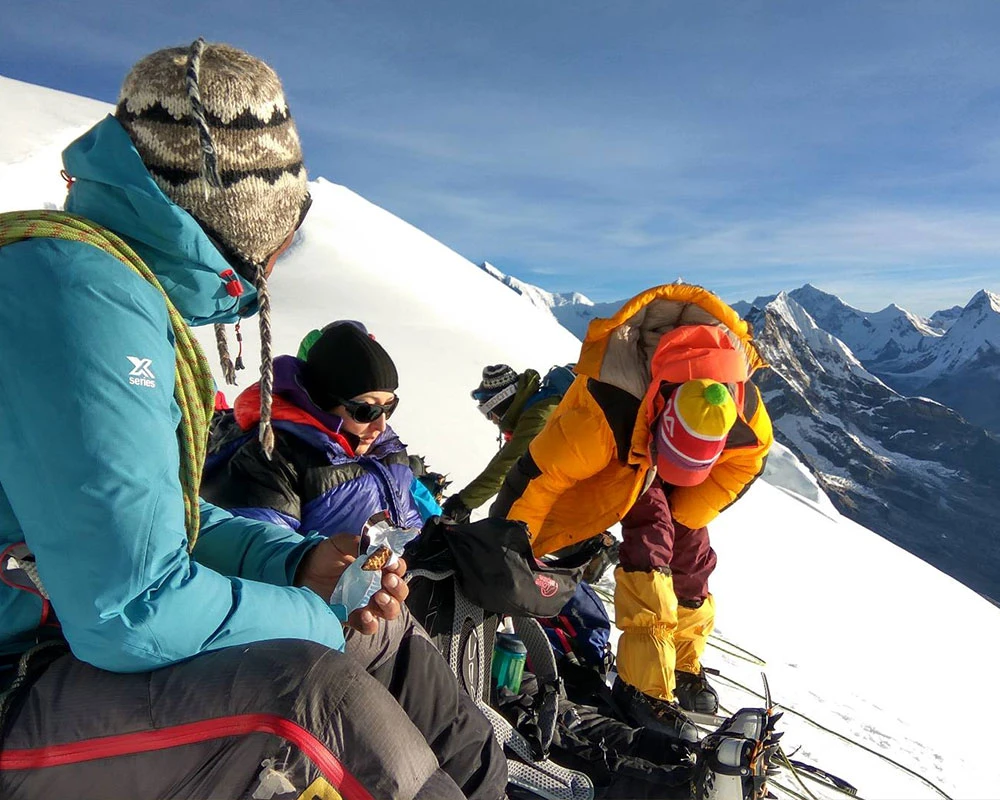
The summit view is also one of the biggest highlights of Mera Peak. On clear days, climbers can see Everest, Lhotse, Makalu, Cho Oyu, and Kanchenjunga from the summit. Very few trekking peaks in Nepal offer views of so many of the world’s highest mountains from one viewpoint.
Is Mera Peak Suitable for Beginners?
Yes, Mera Peak is often considered best for beginners who want to experience Himalayan climbing for the first time. Compared to more technical peaks, the climbing route is less steep and does not require advanced mountaineering experience.
However, Mera Peak should not be underestimated. The climb is still physically demanding and involves trekking for multiple days in remote high-altitude terrain. The biggest challenge for most climbers is usually the altitude, long walking hours, cold weather, and overall endurance.
One reason many first-time climbers choose Mera Peak is that the expedition allows time for proper acclimatization and preparation before the summit push. Climbers are usually introduced to basic climbing equipment such as crampons, harnesses, ropes, and ice axes during the training period before moving toward high camp.
Previous trekking experience is very helpful, especially if you have already completed high-pass treks like the Everest Three Passes Trek or Thorong La Pass (Annapurna Circuit Trek).
For beginners, physical fitness and mental preparation are often more important than technical climbing skills. With proper acclimatization, steady pacing, and guidance from experienced climbing guides, Mera Peak can be very achievable.
How Difficult and Technical is Mera Peak?
Mera Peak is considered physically challenging but technically less demanding. For most climbers, the biggest difficulty is the high altitude.
At 6,476 meters, the thin air becomes a major factor, especially during the summit push from high camp. Summit day is usually long, cold, and tiring, often requiring several hours of walking on snow and glaciers. The combination of altitude, cold weather, and long trekking days can make the climb demanding even for experienced trekkers.
Technically, Mera Peak is generally graded as a non-technical trekking peak. Most of the route follows gradual snow slopes and glacier sections instead of steep rock or ice climbing. Climbers use basic mountaineering equipment such as crampons, harnesses, ropes, and ice axes during the upper sections of the climb.
The final summit section can sometimes feel steeper depending on snow and weather conditions, but it is usually manageable with the support of experienced climbing guides. Proper acclimatization and steady pacing play a very important role in reaching the summit safely.
Mera Peak vs Island Peak: Which One Should You Choose?
Both Mera Peak and Island Peak are among Nepal’s most popular trekking peaks, but the climbing experience on each mountain feels quite different. The better choice usually depends on you.
Mera Peak is generally considered less technical and more focused on endurance and high-altitude trekking. The climb involves long trekking days, glacier walking, and gradual elevation gain rather than steep technical sections. Because of this, many trekkers choose Mera Peak as their first climb.
Island Peak is usually more technical despite being lower in altitude. The summit section often includes steeper climbing, fixed ropes, and more direct mountaineering movement, making the climb feel more physically intense during the summit push.
The overall trekking experience between the two routes is also very different. Mera Peak follows the quieter Hinku Valley, where the trails feel more remote and less crowded. Island Peak is connected with the Everest Base Camp region, so the trek passes through the busy Everest trail.
Both peaks offer excellent Himalayan scenery, but the summit views feel different. Mera Peak is famous for its wide panoramic views of Everest, Lhotse, Makalu, Cho Oyu, and Kanchenjunga. Island Peak, meanwhile, offers a more dramatic close-up mountain environment surrounded by glaciers and steep Himalayan walls.
For trekkers looking for a less technical climbing experience with a remote trekking atmosphere, Mera Peak is often the better option. For those wanting a more technical summit climb and the classic Everest-region experience, Island Peak may be the one.