
Pikey Peak is one of Nepal’s best short treks with moderate difficulty. This guide explains walking hours, altitude, terrain, weather and how suitable it is for beginners. A clear and simple breakdown to help you prepare for the trek.
How difficult is the Pikey Peak Trek?
Table of Contents
A Quick Answer Before We Begin
Pikey Peak is one of Nepal’s best short treks, and the good news is that it is not too difficult. Most hikers consider it a moderate trek. You do not need to be an experienced trekker, but you should be comfortable walking for several hours a day with a steady pace.
The highest point is Pikey Peak at 4,065 meters. This altitude is enough to make you breathe slightly heavier, yet it is still much easier than high-altitude treks like Everest Base Camp or Manaslu Circuit. Most beginners with basic fitness complete this trek without any trouble.
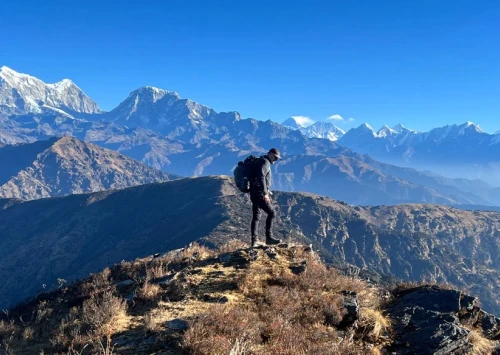
The views from Pikey Peak are the main reward. On a clear morning, you can see Everest, Kanchenjunga, Makalu, Lhotse, and even Annapurna. The trail passes through peaceful villages, forests, and wide ridgelines, which makes the whole journey feel refreshing and culturally rich.
Below is a simple breakdown of the trek’s difficulty so you know exactly what to expect.
Pikey Peak Trek Difficulty at a Glance
Here is a quick look at the main difficulty factors of the Pikey Peak trek.
Maximum altitude: 4,065 meters at the summit
Total trekking days: Usually 6 to 8 days
Average walking hours: 5 to 7 hours per day
Total distance: Around 45 to 55 kilometers depending on the route
Steepest part: The final climb to Pikey Peak viewpoint
Altitude sickness risk: Low to moderate
Overall difficulty level: Moderate and suitable for beginners with basic fitness
Where Is Pikey Peak and Why Do Trekkers Choose It?
Pikey Peak is located in the lower Solukhumbu region of Nepal, the same district that leads to Everest. It sits at an elevation of 4,065 meters and is surrounded by quiet Sherpa villages, rhododendron forests and wide open ridgelines. The area is peaceful and less visited, which gives the trek a very local and genuine feel.

Trekkers choose Pikey Peak because it offers one of the best panoramic mountain views in Nepal in a short amount of time. From the summit, you can see Everest, Kanchenjunga, Makalu, Lhotse and even Annapurna on a clear day. You do not need a long itinerary or extreme fitness to enjoy these views, which makes the trek perfect for beginners or anyone looking for a short but rewarding Himalayan experience.
If you want to see the full route and day-by-day plan, you can check our Pikey Peak Trek itinerary.
Pikey Peak is also known for its cultural richness. The trail passes through Sherpa settlements, old monasteries, prayer walls and traditional farmlands. This combination of mountain views, peaceful trails and local culture is the main reason many trekkers pick this route over the crowded classic Everest trail.
Pikey Peak Trek Difficulty Breakdown
Duration, Distance and Daily Walking Hours
The Pikey Peak trek usually takes six to eight days depending on where you begin and how fast you prefer to walk. Most days involve five to seven hours of steady walking. The total distance of the trek is roughly forty five to fifty five kilometers. This can vary because some itineraries take the shorter Dhap route while others begin from Jiri or Bhandar, which adds extra days and distance.
The walking hours themselves are manageable for anyone who is used to regular walking or light hikes. The pace is slow and steady, and there are many places to take breaks. The only long day is the summit morning, where you start early to reach Pikey Peak for sunrise. This day feels slightly more demanding, but it is short and rewarding.
If you prefer a shorter trek with similar views, you can also consider the Ghorepani Poon Hill Trek.
The overall duration and daily hours make this trek suitable for beginners who want a multi day trekking experience without extreme effort.
Elevation Profile and Altitude Risk
Pikey Peak reaches a height of 4,065 meters, which is considered a moderate altitude level. The trek starts much lower, usually around 2,800 meters if you begin from Dhap, or even lower if you take the Jiri or Bhandar route. Because of this, the ascent is gradual and the body gets enough time to adjust.
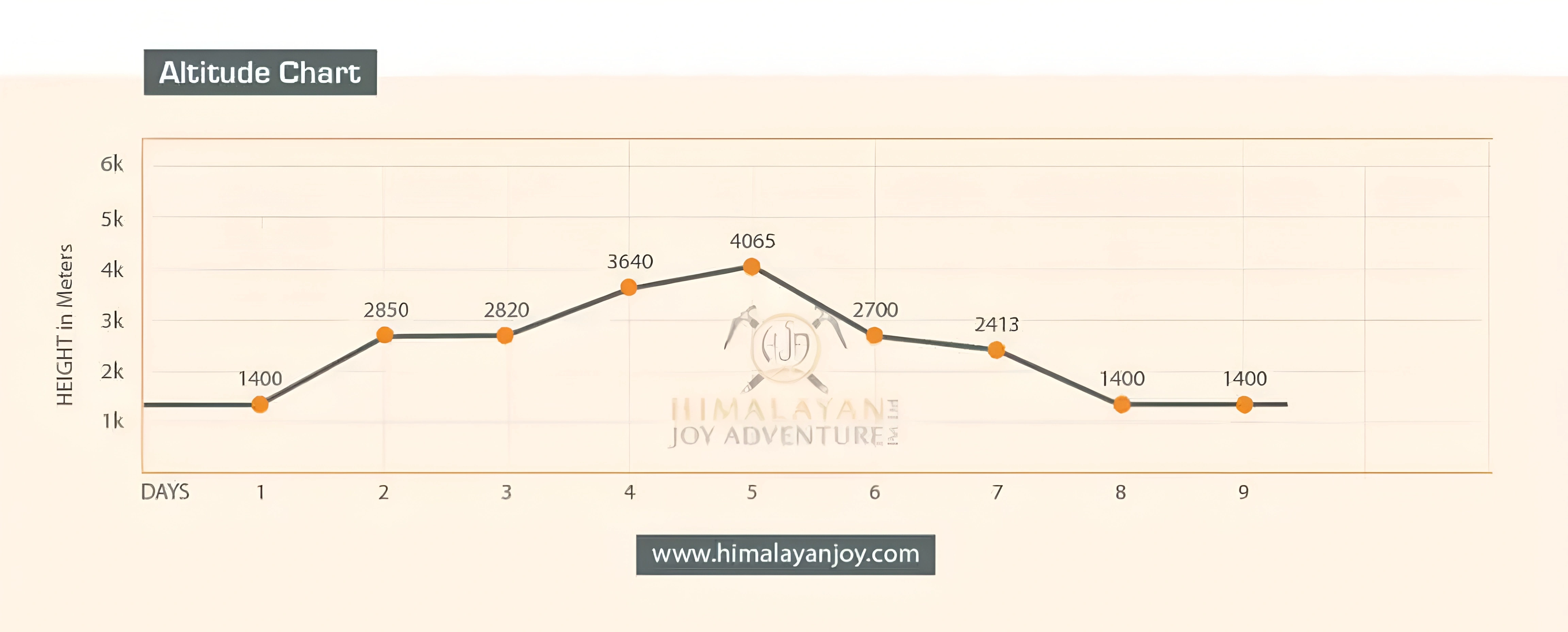
Most trekkers do not experience serious altitude issues on this route, but mild symptoms like shortness of breath or light headaches can still happen, especially near the base camp or on the final climb. Going slow, drinking enough water and taking regular breaks usually keeps the experience comfortable.
Compared to higher altitude treks like Everest Base Camp or Manaslu Circuit, the risk of acute mountain sickness on Pikey Peak is much lower. Even so, it is wise to pay attention to how your body feels. If you walk steadily and avoid rushing, the altitude on this trek remains manageable for most people.
Terrain and Trail Conditions
The Pikey Peak trail offers a mix of forest paths, stone steps, open ridgelines and gentle village trails. Most of the route is straightforward and well marked, which makes it easy to follow even for first-time trekkers. You walk through rhododendron and pine forests during the lower sections, then move onto wider ridges with beautiful views as you climb higher.
There are a few steep parts, especially on the way to the Pikey Peak viewpoint. This final climb feels harder because of the thin air and the early morning start, but it is short and very rewarding once you reach the top. Some sections can be muddy during the monsoon season or slightly icy in winter, so good shoes make a big difference.
Overall, the terrain is comfortable for most people. It has some challenging spots but also many easy stretches that allow you to recover. The variety of forests, open hillsides and traditional villages keeps the walk interesting from start to finish.
Weather and Seasonal Challenges
Weather plays a big role in how easy or difficult the Pikey Peak trek feels. In spring and autumn, the conditions are usually stable with clear skies and comfortable daytime temperatures. These seasons are the most popular because the trail is dry, the views are sharp and the walking feels pleasant.
Winter brings colder days and freezing nights. The trail near the summit can have snow or thin layers of ice, which makes the final climb a little more challenging. Warm clothing, proper shoes and an early start make winter trekking safer and more enjoyable.
Monsoon is the least ideal season. The forest sections become slippery and there may be leeches at lower altitudes. Rain and clouds can also affect visibility. If you trek during this period, you need good waterproof gear and extra caution on muddy paths.
The weather on Pikey Peak can shift quickly at higher altitudes, so it is always wise to pack a warm jacket, gloves and a rainproof layer no matter which season you choose.
Physical and Mental Fitness Needed
You do not need to be an athlete to complete the Pikey Peak trek, but a basic level of fitness makes the journey more enjoyable. If you can walk for five to seven hours a day at a steady pace, you will do well on this route. Strong legs help during the uphill sections, and good balance makes the rocky or uneven parts easier to manage.
The final morning climb is the toughest part, mostly because of the thin air and the early start. Staying positive, keeping a steady pace and taking breaks when needed makes the journey smooth and enjoyable.
Is Pikey Peak Trek Good for Beginners?
Yes, Pikey Peak is considered one of the best treks in Nepal for beginners. The altitude is manageable, the walking hours are moderate and the trail is well established. Most people who stay active, walk regularly or have done a short hike before can complete this trek comfortably.
The route has a good balance of easy stretches and short challenging climbs. The toughest part is the final push to the viewpoint, but it is a short climb and you move slowly because of the early morning start. With a guide, the pace stays comfortable and you always have someone to help you navigate tricky sections.
Beginners appreciate Pikey Peak because the rewards come quickly. You do not need a long itinerary or a high level of fitness to see Everest and the surrounding Himalayan peaks. This makes it a very satisfying first trek, especially for those who want a real mountain experience without committing to a high altitude expedition.
Who Should Think Twice Before Doing Pikey Peak?
Pikey Peak is a friendly trek, but it may still feel demanding for certain travellers. It is better to be aware of this before planning the trip.
People with serious knee problems may struggle with the long downhill sections, especially after the summit day. The trail is not dangerous, but constant descending can put pressure on the joints. Using trekking poles helps a lot, but it is still something to consider.
Those who have heart or lung conditions should consult a doctor before trekking above three thousand meters. The altitude on Pikey Peak is moderate, yet the thinner air can still make breathing slightly harder for some people.
If you are completely new to walking or have not done any physical activity for a long time, the daily hours may feel tiring. You can still do the trek, but it is better to prepare yourself with a few weeks of regular walking before the trip.
Lastly, travellers expecting luxury comfort might find the tea houses simple. Rooms are basic and most bathrooms are shared. If you are someone who needs hotel-level facilities, the experience may feel a bit challenging.
Knowing these points helps you decide confidently and plan the trek in a comfortable, safe way.
Pikey Peak Difficulty by Season
The difficulty of the Pikey Peak trek changes with the season. Some months offer dry trails and clear skies, while others bring snow, rain or slippery paths that make the walk more demanding. Understanding this helps you pick the best time for your comfort and fitness level.
Spring (March to May)
Spring is one of the easiest times to trek to Pikey Peak. The weather is mild, the days are longer and the trail passes through blooming rhododendron forests. The paths are mostly dry and the morning climb to the viewpoint feels comfortable with stable temperatures. This season is ideal for beginners.
Autumn (September to November)
Autumn is another excellent time. The skies are clear after the monsoon and the mountain views are at their best. The temperatures are cool but not too cold, which makes walking pleasant. This season is slightly busier, but the difficulty level remains moderate for most trekkers.
You can also compare seasons and trek choices in our Top 5 Most Beautiful Treks in Nepal blog.
Winter (December to February)
Winter adds a bit more challenge. The trail can have snow or patches of ice near the top, and mornings are very cold. The final ascent to Pikey Peak may feel harder because of the chilly wind. With warm clothing and good trekking shoes, the trek is still possible, but it is better suited for people who already have some trekking experience.
Monsoon (June to August)
Monsoon is the most challenging season. Forest sections become muddy and slippery, and leeches are common at lower elevations. Clouds and rain can limit visibility, and certain parts of the trail may require extra caution. If you trek during monsoon, waterproof gear and patience are important. This season is recommended only for experienced trekkers or those comfortable with wet conditions.
Route Options and Which One Is Easier
There are a few different ways to complete the Pikey Peak trek. Each route has its own style, and the difficulty level changes slightly depending on where you begin. Knowing these options helps you choose a path that matches your fitness and time frame.
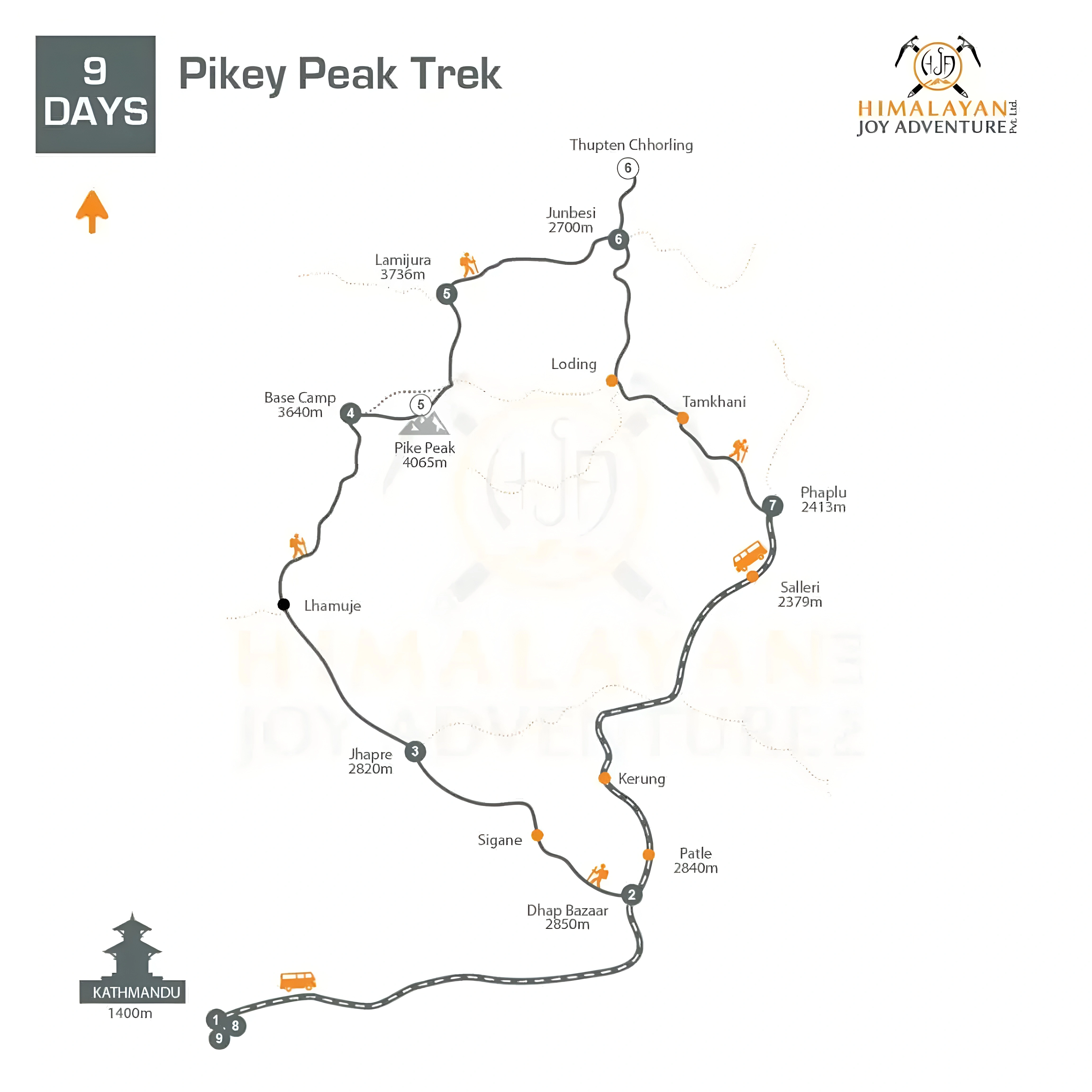
Dhap Route
Starting from Dhap is the most common and the easiest option. The drive from Kathmandu takes about six to seven hours, and the trail begins at a higher altitude, which reduces long uphill climbs. The walking days are shorter and the route reaches Pikey Peak in a comfortable number of days. This is the best choice for beginners or anyone who wants a short and manageable trek.
Jiri or Bhandar Route
The Jiri or Bhandar route is longer and more traditional. It passes through several villages and offers more cultural moments along the way. The walking days are slightly longer and there are more ups and downs before you reach the Pikey Peak region. This route is still moderate, but it requires more stamina and adds a few extra days to the itinerary.
Why the Dhap Route Feels Easier
The Dhap route has smoother ascents, fewer long climbs and a more direct path to the peak. Since you start from a higher point, the elevation gain is gradual and the days feel balanced. If your main goal is to enjoy the mountain views without long trekking days, Dhap is the most comfortable choice.
Tea House Facilities and How They Affect Comfort
Tea houses on the Pikey Peak trail are simple but comfortable. Most offer twin rooms with beds, blankets and basic furnishings. The rooms are not heated, so warm clothing is important during colder nights.
Bathrooms are usually shared, and hot showers may be available at lower altitudes for a small additional cost. Electricity is available in most tea houses, often powered by solar, and charging devices may require a small fee.
Meals are fresh and homemade, with common options like dal bhat, noodles and soups. Wi-Fi and mobile signals may work in some areas but cannot always be relied on.
For a taste of what you might eat during treks, you can read our guide on Typical Foods in Nepal.
Overall, the tea houses are basic but friendly. If you are comfortable with simple facilities and warm communal dining areas, the accommodation along this trek feels homely and manageable.
Safety, Altitude and Insurance Tips for Pikey Peak
Although Pikey Peak is a moderate trek, it is still important to stay aware of altitude, weather and basic safety. The highest point is 4,065 meters, and while most trekkers remain comfortable, walking slowly and staying hydrated helps the body adjust.
Weather can change quickly, especially above three thousand meters. Carrying warm layers, gloves and a waterproof jacket keeps you prepared for sudden shifts in temperature or wind. During winter, ice near the viewpoint can make the climb slightly more challenging, so shoes with good grip are helpful.
Travel insurance is mandatory even for a moderate trek like this. It provides support in case of illness, injury or unexpected evacuation needs. Trekking with a guide also adds safety, as they understand the trail, manage pacing and help with any difficulties that may arise.
How Pikey Peak Compares to Other Treks in Nepal
Pikey Peak is often compared with other popular treks because it offers big mountain views in a much shorter and easier journey. Here is a quick look at how it stands against some well known routes.
Pikey Peak vs Everest Base Camp
Everest Base Camp is much higher, much longer and physically demanding. It reaches more than 5,300 meters and involves two weeks of trekking. Pikey Peak, on the other hand, reaches just over 4,000 meters and can be done in less than a week. The views of Everest are still excellent, but the effort required is far less. For beginners, Pikey Peak is a more comfortable and realistic choice.
Pikey Peak vs Annapurna Base Camp
Annapurna Base Camp also climbs above 4,000 meters, but the daily walking hours are longer and the trails can be crowded. Pikey Peak is quieter and shorter, which makes the trek feel easier overall. If you want a peaceful route with a shorter commitment, Pikey Peak is a better fit.
Pikey Peak vs Ghorepani Poon Hill
Poon Hill is one of the easiest treks in Nepal, and Pikey Peak sits slightly above it in difficulty. The trails are similar, but Pikey Peak has a higher summit and longer walking days. If you have already done Poon Hill and want something a little more challenging but still manageable, Pikey Peak is the right next step.
Pikey Peak vs Mardi Himal
Mardi Himal has steeper climbs and more exposed ridge sections near the top. The altitude gain is sharper and the final push can feel tough for beginners. Pikey Peak is gentler and less technical, making it a smoother choice for first-time trekkers.
Overall, Pikey Peak offers a balanced mix of comfort, scenery and manageable difficulty. It is neither too easy nor too hard, which is why many trekkers see it as the perfect introduction to Nepal’s Himalayan trails.
Preparation Tips for Pikey Peak
Preparing for this trek is simple. Spend a few weeks doing regular walks, preferably with some uphill sections or stairs. This builds the stamina needed for the daily walking hours. Stretching, light cardio or short hikes also help.
Pack warm layers, a comfortable pair of trekking shoes and a waterproof jacket. Trekking poles, a headlamp and a power bank are useful, especially for the early climb to the viewpoint and colder days. Keeping your packing light but practical makes the trek easier and more comfortable.
Our Trekking Equipments Guide explains what to carry in more detail.
Frequently Asked Questions about Pikey Peak Trek Difficulty
Can beginners do the Pikey Peak trek?
Yes. With basic fitness and steady pacing, beginners can complete this trek comfortably.
What is the hardest part of the trek?
The steep morning climb to the Pikey Peak viewpoint is the toughest, but it is short and very rewarding.
Do I need to worry about altitude sickness?
The risk is low. Mild symptoms can occur, but walking slowly and staying hydrated usually keeps you comfortable.
How many hours do we walk each day?
Most days involve five to seven hours of walking with enough places to rest.
Is the trail easy to follow?
Yes. It is well marked and commonly used by locals. With a guide, navigation is very easy.
Do I need previous trekking experience?
No. Regular walking and basic preparation are enough.
Is Pikey Peak harder than Poon Hill?
Slightly harder, since it is higher and the days are longer, but still beginner friendly.
Final Thoughts
Pikey Peak is one of those treks that gives you far more than you expect. The effort is moderate, the walking days are balanced and the altitude is manageable for most people. In return, you get wide Himalayan views, peaceful trails, welcoming Sherpa villages and a sunrise that stays in your memory for a long time.
If you want a short trek with big rewards, or if you are a beginner looking for your first real Himalayan experience, Pikey Peak is an excellent choice. It is not too easy and not too hard, which makes it the perfect middle ground for many trekkers. With simple preparation and the right expectations, this trek becomes a comfortable and very enjoyable journey.
If you are planning the Pikey Peak trek and want help with permits, guides or a custom itinerary, feel free to contact us. Our team is always happy to assist you.
Tika Bahadur Rai (Trek & Tour Leader)
Call us on WhatsApp+977 9851031957OrChat with us